Vijay Stambh Guide

Kwame Johnson
| 01-11-2024
 · Travel team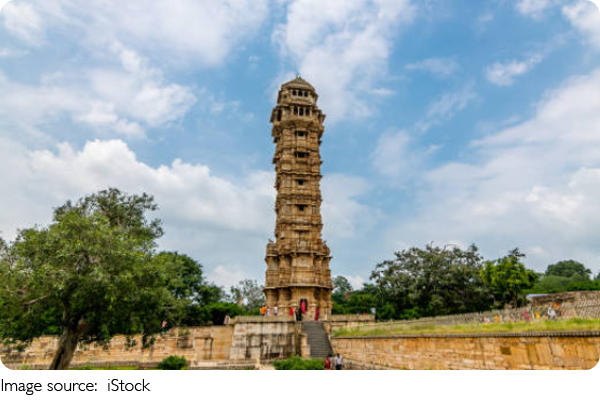
Vijay Stambh, or the "Tower of Victory," stands as a magnificent symbol of triumph in the historic Chittorgarh Fort, Rajasthan.
Built in the 15th century by King Rana Kumbha to commemorate his victory over the armies of Malwa and Gujarat, this nine-story architectural wonder is a must-see for anyone drawn to India's medieval heritage, intricate stone carvings, and royal valor.
Getting There
Vijay Stambh is located within the Chittorgarh Fort complex, approximately 120 kilometers from Udaipur, which has the nearest airport. Trains and buses connect Chittorgarh to major Rajasthani cities, making it accessible by both public and private transportation. From the fort's entrance, local guides are available to provide deeper insights into the historical and cultural significance of the tower.
History and Significance of Vijay Stambh
Origins of the Victory Tower: Constructed between 1442 and 1449, Vijay Stambh was erected by Rana Kumbha to celebrate his significant victory in battle against Mahmud Khilji, the Sultan of Malwa. The tower stands as a powerful reminder of Rajput bravery and the formidable strength of the Mewar dynasty, which defended Chittorgarh against numerous invaders.
Architectural Splendor: Rising to a height of approximately 37 meters (121 feet), Vijay Stambh is crafted from red sandstone and white marble. This towering monument has nine distinct floors, each adorned with beautifully detailed carvings depicting Hindu deities, mythological figures, and various scenes from the Ramayana and Mahabharata. Built in the Mewar architectural style, the tower is an impressive display of artistic excellence and spiritual devotion.
Vijay Stambh or Victory Tower : Chittorgarh Fort, Rajasthan
Video by WildFilmsIndia
Exploring Vijay Stambh
The Intricate Exterior: The tower's walls are a visual narrative filled with exquisite carvings, including images of gods and goddesses like Vishnu, Shiva, and Durga. Each level is meticulously designed to capture not only the spirit of victory but also the devotion of the Mewar rulers. The carvings are so finely done that, even today, they appear vibrant and detailed, despite centuries of exposure to the elements.
Ascending the Tower: Inside, a spiral staircase of 157 steps leads visitors to the top, where breathtaking views of the Chittorgarh Fort and the surrounding countryside await. The experience of climbing the tower allows visitors to feel the history embedded in its walls, each step a reminder of the victories and struggles that define the Rajput legacy.
A View from the Top: Reaching the summit of Vijay Stambh offers a panoramic view of Chittorgarh, showcasing the sprawling fort complex, temples, and natural beauty. This viewpoint symbolizes a king's pride and a soldier's honor, giving visitors a powerful sense of connection to the valor of those who once defended these lands.
Best Time to Visit
The ideal time to explore Vijay Stambh is between October and March when the weather in Rajasthan is cooler and more pleasant for sightseeing. Every February and March, the Mewar Festival celebrates the region's cultural heritage, providing a festive atmosphere around Chittorgarh Fort and its famous monuments, including Vijay Stambh.
Accommodation and Dining in Chittorgarh
Chittorgarh offers a variety of accommodations, from budget guesthouses to mid-range hotels, typically priced between ₹1,500 and ₹5,000 per night. For a luxurious stay, nearby Udaipur has several heritage hotels, with nightly rates starting at around ₹7,000. Dining options within Chittorgarh serve Rajasthani delicacies such as dal baati churma and gatte ki sabzi(an Indian gravy), allowing visitors to savor local flavors during their journey.
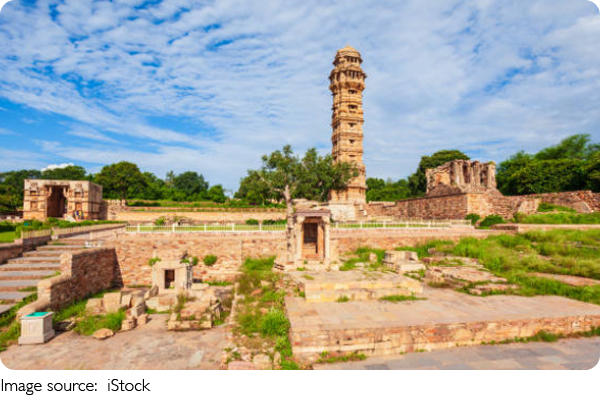
Vijay Stambh is more than just a tower; it's a story etched in stone, a tribute to resilience, and a symbol of Rajasthan's historic spirit. From its impressive carvings to the inspiring view from the top, the tower invites visitors to reflect on the legacy of courage that defines Chittorgarh.