Ratha of Hindu Festivals

Naveen Kumar
| 01-11-2024
 · Travel team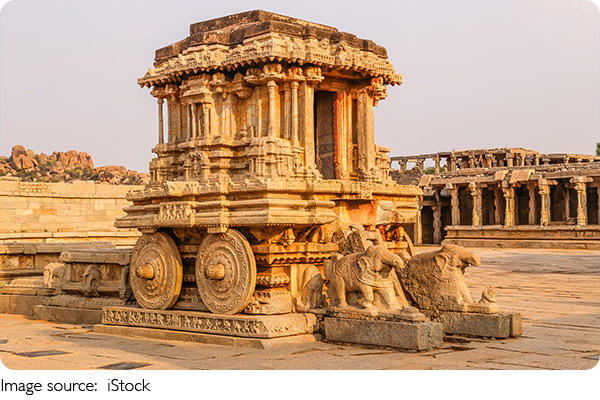
A temple chariot, known as a ratha or ther, is not just a vehicle; it is a grand symbol of faith and devotion in Hindu culture.
These large, intricately decorated wooden chariots are central to many Hindu temple festivals, serving as the focal point of celebrations and processions.
The Significance of Temple Chariots
Symbol of Divine Presence
Temple chariots are believed to carry the deities from the temple to the devotees during festivals. The act of pulling the chariot symbolizes the community's devotion and their desire to bring the divine closer to them. This connection fosters a sense of unity among devotees as they come together to celebrate their faith.
Cultural Heritage
Temple chariots are an integral part of the cultural heritage of various regions in India. Each region has its unique style and traditions associated with the construction and decoration of chariots. The craftsmanship involved in creating these chariots showcases the rich artistic traditions that have been passed down through generations.
Ratha Yatra In Puri Jagannath Temple | The Magnificent Chariot Festival Celebrating Divine Journey
Video by Love Krishna
Design and Construction
Intricate Craftsmanship
Temple chariots are marvels of craftsmanship, often made from wood and adorned with intricate carvings, vibrant paintings, and decorative elements. Skilled artisans spend months, sometimes years, constructing these magnificent vehicles, ensuring that every detail reflects the artistic heritage of the region.
Size and Structure
These chariots can vary significantly in size, with some towering over 20 feet high. They are typically designed to be pulled by a group of devotees, and the sheer weight of the chariot can reach several tons. This emphasizes the strength and determination required by the community to pull the chariot during the festivals.
Ratha Yatra: The Festival of Chariots
A Celebratory Event
One of the most famous festivals featuring temple chariots is the Ratha Yatra, which is particularly celebrated in Puri, Odisha. During this grand event, the deities Jagannath, Balabhadra, and Subhadra are taken out of the temple and placed in their chariots. The massive procession attracts millions of devotees and tourists who come to witness this spectacular event.
Global Significance
While the Ratha Yatra in Puri is the most renowned, similar celebrations occur across India and in various parts of the world, showcasing the universal appeal of temple chariots. Festivals involving chariots are celebrated in places like Tamil Nadu, Karnataka, and Gujarat, each with its own unique customs and rituals.
Spiritual Experience
Devotional Practices
Pulling the temple chariot is considered an act of devotion, with devotees chanting prayers and singing hymns as they participate in the procession. The experience is both spiritual and communal, reinforcing the bonds between individuals and their faith.
Connecting with Tradition
For many, the sight of a temple chariot evokes feelings of nostalgia, reminding them of their childhood and the traditions passed down through generations. It serves as a living link to their heritage, preserving the cultural identity of the community.
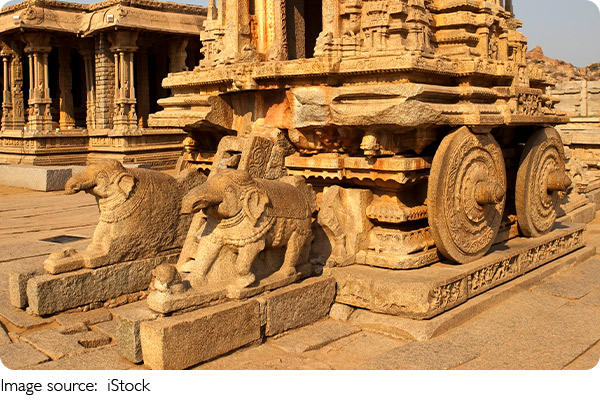
Temple chariots are more than just vehicles; they are a vibrant representation of faith, culture, and community. The ratha or ther not only enhances the visual spectacle of Hindu festivals but also strengthens the bond among devotees as they come together to celebrate their shared beliefs.
Dear Lykkers, the grandeur of these chariots, combined with the devotion of the people, creates an unforgettable experience that continues to inspire and connect generations.