Explore Humayun's Tomb

Mariana Silva
| 05-11-2024
 · Travel team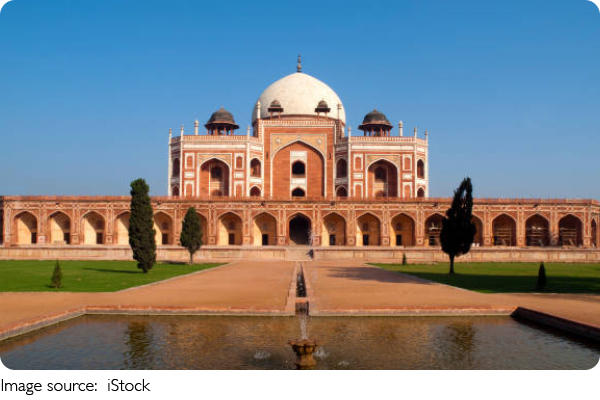
Hey Lykkers, Humayun's Tomb (Maqbaera e Humayun) is one of Delhi's most celebrated historical monuments, an architectural gem that reflects the grandeur of the Mughal era.
Built in the 16th century, this UNESCO World Heritage Site marks the first garden tomb on the Indian subcontinent, a masterpiece that paved the way for the iconic Taj Mahal.
History of Humayun's Tomb
Humayun's Tomb was commissioned in 1565 by Empress Bega Begum, Humayun's widow, nearly nine years after his death. The design of the tomb was entrusted to Mirak Mirza Ghiyas, a Persian architect who combined Persian, Indian, and Central Asian styles to create this monumental structure. As the first example of Mughal architecture on such a grand scale, the tomb marked the beginning of a new era in Indian architecture.
Architectural Brilliance
Humayun's Tomb is an architectural masterpiece featuring a blend of Persian and Mughal styles, particularly noted for its symmetrical design and grand scale.
The Garden Layout: The tomb is set within a charbagh (four-part) garden, a classic feature in Mughal architecture, symbolizing the concept of paradise. Divided by walkways and water channels, the garden is a harmonious space where nature and architecture combine to create a tranquil atmosphere.
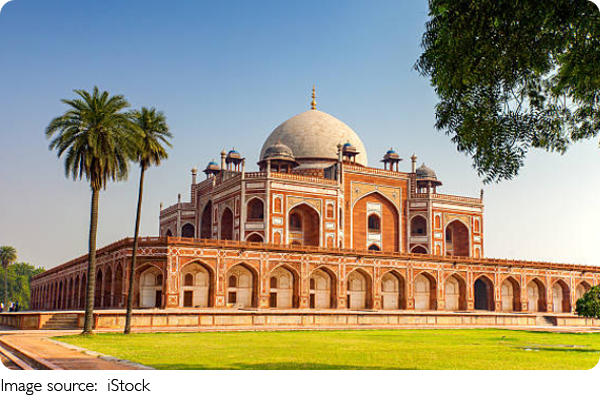
The Main Tomb Structure: Built from red sandstone and white marble, the tomb rises majestically on a massive platform. Its octagonal shape, intricate latticework, and grand arched entrances reflect the architectural finesse of the Mughal period. The white marble dome, perched atop the tomb, is a significant feature that later inspired the design of the Taj Mahal.
Intricate Detailing: The interiors of the tomb display delicate jalis (lattice screens), geometric patterns, and calligraphy. Each room and corridor showcases the Mughal artisans' dedication to detail, making the tomb a mesmerizing sight from every angle.
Significance of Humayun's Tomb in Mughal Architecture
Humayun's Tomb holds a pivotal place in Mughal architecture as it introduced several features that became hallmarks of subsequent Mughal buildings.
Introduction of Charbagh: Charbagh, the four-part garden layout was a pioneering feature in India and influenced future Mughal monuments, including the Taj Mahal.
First Dome of Its Kind: The double dome structure at Humayun's Tomb was the first of its kind in India. This architectural style, featuring two layers of domes, allows the dome to appear grander from the outside while maintaining harmony inside.
The Tomb Complex
The tomb complex spans over 27 hectares and includes several other important structures, creating an expansive architectural ensemble.
Isa Khan's Tomb: Within the complex, Isa Khan's Tomb predates Humayun's Tomb by a decade. It is an exquisite structure showcasing Afghan architectural style, with octagonal designs and a beautiful garden setting.
Arab Serai: Arab Serai, meaning "the inn for Arabs," was likely built to house the craftsmen and artisans who worked on the tomb. Its arched gateways and red sandstone walls are beautiful additions to the complex.
Barber's Tomb: A smaller tomb, known as Nai-ka-Gumbad or Barber's Tomb, stands near Humayun's Tomb. Though the person buried here remains unknown, the tomb's unique architecture has made it an intriguing spot for visitors.
Visiting Humayun's Tomb
Visiting Humayun's Tomb is an opportunity to walk through history and experience the grandeur of the Mughal era.
Timings: The tomb is open every day from sunrise to sunset.
Entry Fee: The entry fee for Indian citizens is ₹30, while foreign tourists are charged ₹500.
Best Time to Visit: The winter months from October to March are ideal, as the weather is cooler, allowing visitors to explore the gardens and tomb complex comfortably.
Humayun's Tomb stands as a timeless tribute to Mughal artistry and architecture. With its grand architecture, beautiful gardens, and serene ambiance, the tomb complex offers a peaceful retreat within bustling Delhi and remains a significant landmark in Indian history.