Muhammad Shah's Tomb

Ethan Sullivan
| 06-11-2024
 · Travel team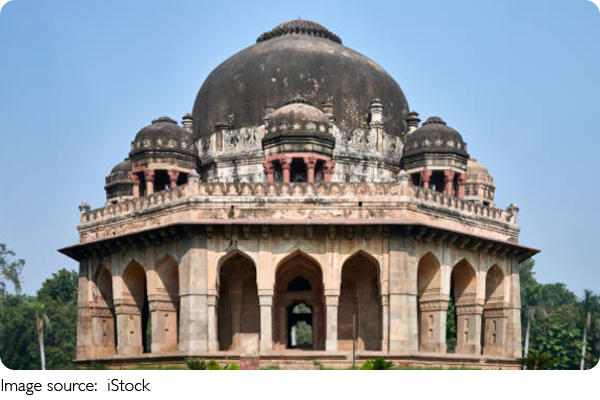
Dear Lykkers! Muhammad Shah's Tomb is one of the most striking and historically significant structures within Lodi Gardens in New Delhi, India.
Built in the 15th century as a mausoleum for Muhammad Shah, the last ruler of the Sayyid dynasty, this iconic tomb stands as a testament to the architectural styles that characterized the late medieval period in India.
Architectural Elegance of Muhammad Shah's Tomb
Muhammad Shah's Tomb is renowned for its impressive design and aesthetic appeal, showcasing elements that were later influential in Mughal architecture.
Octagonal Layout: The tomb is structured as an octagon, a style that was commonly used in the Sayyid and Lodi periods. This layout, with eight sides, symbolizes eternity and was frequently chosen for royal mausoleums, representing the ruler's lasting legacy.
Distinctive Chhatris: One of the tomb's defining features is the presence of chhatris (domed pavilions) that adorn each corner of the roof. These chhatris add both elegance and grandeur, creating an elevated silhouette that can be seen from across Lodi Gardens.
Arched Doorways and Inscriptions: The tomb's entranceways are embellished with arched doorways, each framed by intricate inscriptions and latticework. The doorways lead into a chamber housing the tomb, reflecting the Indo-Islamic style of architecture where beauty lies in symmetry and intricacy.
Historical Significance
Muhammad Shah's Tomb holds deep historical importance as it marks the transition between two ruling dynasties in Delhi's history. Muhammad Shah was the last ruler of the Sayyid dynasty, which eventually gave way to the Lodi dynasty. This tomb serves as both a memorial to his reign and a historical marker of change.
Architectural Influence: The tomb is believed to be the inspiration for later Mughal-era structures, especially the tombs of prominent figures like Humayun and Akbar. The octagonal shape, central dome, and corner chhatris became defining elements of Mughal tomb architecture.
Preserved Legacy: Unlike many structures from that period, Muhammad Shah's Tomb has been well preserved, standing today as a proud relic of the Sayyid dynasty.
Monuments of the Delhi Sultunate Ep.07: The Tomb of Muhammad Shah
Video by Speaking Archaeologically
Exploring the Tomb in Lodi Gardens
Lodi Gardens is an expansive, landscaped park that houses not only Muhammad Shah's Tomb but also other monuments from the Lodi era, creating a rich historical environment perfect for exploration.
Serene Setting: Surrounded by trees, pathways, and lawns, the tomb provides a quiet space for reflection. The tomb is especially popular with photographers and history enthusiasts who come to admire the well-preserved architecture.
Nearby Attractions: Within walking distance from Muhammad Shah's Tomb, visitors can also explore other significant monuments, including the Shish Gumbad and Bara Gumbad, which showcase more examples of Lodi-era craftsmanship.
Best Time to Visit
The ideal time to visit Muhammad Shah's Tomb is from October to March when Delhi experiences cooler weather. Mornings and late afternoons offer the best lighting for photography, as well as a peaceful atmosphere for visitors to enjoy.
Visitor Information
Location: Lodi Gardens, Lodhi Estate, New Delhi, India
Timings: Lodi Gardens is open daily from sunrise to sunset, with free entry for all visitors.
Entry Fee: Entry is free of charge.

Muhammad Shah's Tomb in Lodi Gardens provides a fascinating glimpse into the architectural and historical legacy of Delhi's Sayyid dynasty. The tomb's unique design, historical significance, and peaceful location make it a memorable site for locals and tourists alike. If you're exploring Delhi's history or enjoying a day in the gardens, this beautiful structure is an essential stop, reflecting the grandeur and artistry of a bygone era.