Mysteries of Humayun's Tomb

Amina Hassan
| 06-11-2024
 · Travel team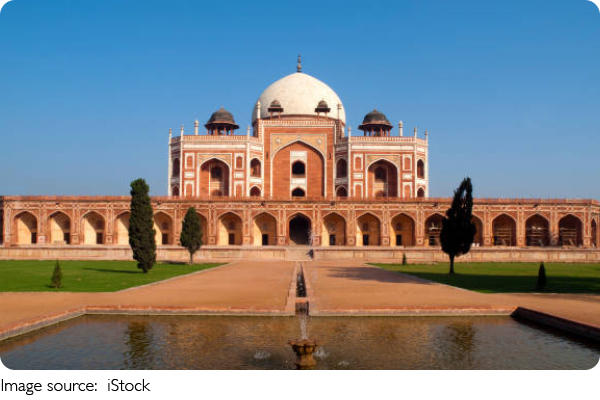
Humayun's Tomb, a UNESCO World Heritage Site, is a breathtaking architectural marvel nestled in the heart of New Delhi, India. Built in 1570 by the orders of Humayun's widow, Empress Bega Begum, this grand mausoleum stands as a tribute to the Mughal Emperor Humayun.
Often considered a precursor to the Taj Mahal, it combines Persian and Mughal architectural styles and is surrounded by lush, symmetrical gardens.
Getting There
Humayun's Tomb is easily accessible by various modes of transport. The nearest metro station is JLN Stadium (Violet Line), from where you can take an auto or taxi. Alternatively, it's a short drive from the city center of New Delhi, making it convenient to reach by cab or hired car.
History and Significance
The Inspiration Behind the Tomb
Humayun's Tomb was commissioned by his grieving wife, Bega Begum, and was designed by the Persian architect Mirak Mirza Ghiyas. This masterpiece set a new standard for Mughal architecture and is credited as the first garden-tomb on the Indian subcontinent. Its distinct style, with the red sandstone facade and white marble inlays, later influenced many other Mughal-era structures, including the iconic Taj Mahal.
UNESCO World Heritage Status
In 1993, Humayun's Tomb was declared a UNESCO World Heritage Site, preserving its architectural and cultural significance. The tomb represents an essential link in Mughal architectural history and reflects the Persian influence that dominated Mughal designs.
Humayun’s Tomb | Magnificent Monuments | Macmillan Education India
Video by Macmillan Education India Private Limited
The Architecture of Humayun's Tomb
Persian Influence in Design
The tomb's layout is inspired by Persian architecture, particularly the Charbagh (four-part) garden layout, which divides the garden into quadrants with water channels. The structure is built primarily of red sandstone, with elegant white marble embellishments that give it a grand, timeless appeal.
Symmetry and Grandeur
Humayun's Tomb is a symbol of perfect symmetry, which is a hallmark of Mughal architecture. The central tomb structure, with its large dome and high arches, is surrounded by smaller tombs and other monuments. Standing on a high platform, the tomb's square shape and octagonal chambers are crowned with a grand double dome that exudes regal magnificence.
Exploring the Complex
Charbagh Gardens
The lush Charbagh gardens encircle the tomb, offering visitors a peaceful retreat. These meticulously landscaped gardens are divided into squares by pathways and water channels, creating an atmosphere of serenity and order that enhances the visual appeal of the tomb.
Other Monuments on the Site
Besides Humayun's main tomb, the complex houses other important monuments, such as Isa Khan's Tomb, Bu Halima's Tomb, and the Barber's Tomb. These smaller structures add historical depth to the visit and are a testament to the site's rich heritage.
Tips for Visiting Humayun's Tomb
Best Time to Visit
The tomb is open year-round, but the cooler months from October to March are ideal for a visit, as temperatures in Delhi can be quite high in summer. Early mornings or late afternoons offer the best lighting for photography and a more tranquil experience.
Entry Fees and Timings
For Indian visitors, the entry fee is around ₹40, while foreign tourists pay approximately ₹600. The tomb is open daily from sunrise to sunset.
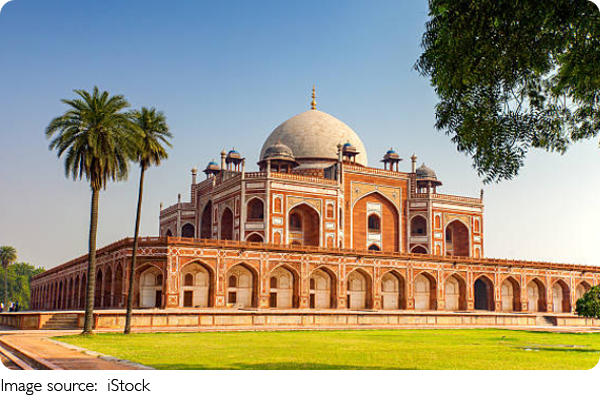
Humayun's Tomb is not just a historical monument; it's a beautiful reminder of India's rich Mughal heritage. With its captivating architecture, peaceful gardens, and cultural significance, a visit to Humayun's Tomb offers a mesmerizing journey into the grandeur of Mughal history. Dear Lykkers, no matter whether you're a history buff or a photography enthusiast, this iconic monument in Delhi is a must-see treasure.