Temples of Khanjuraho

Amina Hassan
| 11-11-2024
 · Travel team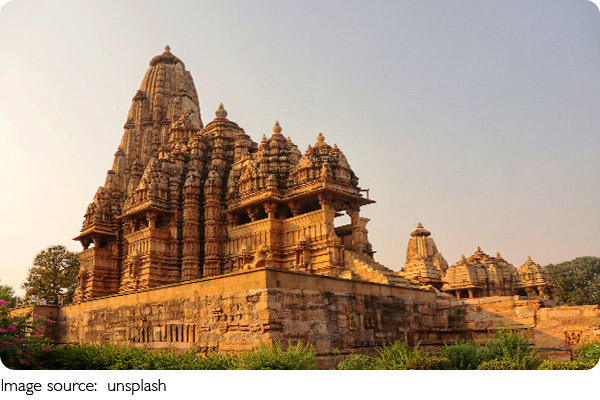
Welcome Lykkers! Nestled in the heart of India, the village of Khajuraho in Madhya Pradesh is famed worldwide for its breathtaking group of Hindu and Jain temples adorned with intricate sculptures and remarkable architecture.
These temples, now a UNESCO World Heritage Site, reflect India's rich heritage, spirituality, and artistry, drawing thousands of visitors from across the globe.
Known especially for their carvings, the temples of Khajuraho have stirred curiosity and admiration alike, capturing a unique blend of spirituality, sensuality, and the celebration of life.
Historical Background
The Khajuraho temples were built between 950 and 1050 AD during the reign of the Chandela dynasty, which ruled central India. The dynasty's kings were known for their patronage of art, and they commissioned these temples as symbols of their devotion and love for art and culture. Originally, there were around 85 temples, but today, only about 20 remain, standing as silent witnesses to India's artistic and cultural heritage.
The temples of Khajuraho remained largely unknown to the world for centuries after the decline of the Chandela dynasty and were rediscovered in the 19th century by British surveyor T.S. Burt. Their discovery shed new light on the grandeur of medieval Indian architecture and the liberal cultural ethos of the time.
Architecture of the Khajuraho Temples
The temples of Khajuraho are renowned for their distinctive architectural style, which is known as the Nagara style, a form of North Indian temple architecture. Every temple is constructed on an elevated platform, with a series of steps ascending to the main shrine. The structures are characterized by tall, curvilinear spires or shikharas, designed to reach toward the heavens, symbolizing a spiritual journey.
The temples are divided into three groups: the Southern, Eastern, and Western. The Western Group is the most visited and includes the most famous temples, such as the Kandariya Mahadeva Temple, Lakshmana Temple, and Vishvanatha Temple. The temples dedicated to both Hindu and Jain deities are an example of the tolerance of faith that flourished in medieval India.
One of the most intriguing features of these temples is the extensive use of sandstone, which has enabled the sculptures to remain relatively well-preserved. The artistry displayed in these temples is meticulous, with carvings that range from gods and goddesses to everyday scenes, animals, mythical creatures, and musicians.
The Iconography of the Sculptures
One of the most famous aspects of Khajuraho is its temple carvings. However, these sculptures form only a small part of the overall artwork on the temples, with most carvings depicting scenes from everyday life, deities, celestial beings, and mythical creatures.
Spiritual and Cultural Significance
The temples of Khajuraho are deeply rooted in Hindu and Jain culture. They were built not only as places of worship but as symbols of divine creation and cosmic harmony. The layout and design of the temples are thought to represent the human body, with different parts symbolizing various aspects of life and spirituality.
Khajuraho's temples also celebrate the four aims of life in Hindu philosophy: Dharma (duty), Artha (prosperity), Kama (desire), and Moksha (liberation). By combining scenes of both daily life and divine worship, these temples highlight the unity of the mundane and the divine, showing how every aspect of existence is part of the larger cosmic order.
Khajuraho Today
Today, Khajuraho is a major tourist attraction, drawing visitors not only for its stunning art and architecture but for the insight it provides into a period of Indian history characterized by artistic expression and cultural diversity. The town also hosts an annual Khajuraho Dance Festival, where dancers from across India and around the world perform classical Indian dances, further reviving the cultural spirit of the Chandela era.
KHAJURAHO LOVE TEMPLES: ANCIENT EROTIC INDIAN SCULPTURES (4K)
Video by Andy's Awesome Adventures
How to reach Khajuraho
Located in northern Madhya Pradesh, Khajuraho is famed as the land of the Khajuraho temple. This major tourist attraction receives a huge number of tourists every year. It is for this reason that Khajuraho is easily accessible and has its own airport pretty near the site. The easiest way to reach Khajuraho is by flight; the airport is only a 2-minute drive from the town.
Else, you can take a bus from Chhatarpur. The town Khajuraho is 44 km from district Chattarpur, 281 km from Gwalior, 375 km from Bhopal, 565 km from Indore, and 355 km from Ranchi. The closest cities to Khajuraho are Harpalpur (94 km), Satna (117 km), Jhansi (175 km) and Jabalpur, which is 258 km.
Timing to visit Khajurao
Khajuraho Temple is open for visits from 8 am to 6 pm. The Madhya Pradesh Tourism Department organizes a light and sound show at the temple, offered in both English and Hindi. Show timings vary by season, with different schedules for winter and summer.
The entry fee for the same for Indian visitors is Rs 250 while foreigners pay Rs 700. Children under 5 years old can enter for free. Note that the entrance and ticket counter for the light and sound show are separate from the main entrance to the temple complex.
Khajuraho Museum is open from 8 am to 5 pm and remains closed on Fridays. The ticket price for Indian, SAARC, and BIMSTEC tourists is priced at Rs 10, while foreign tourists have to pay Rs 250. The museum is situated close to the Matangeshwar Temple, near the Western group of temples.
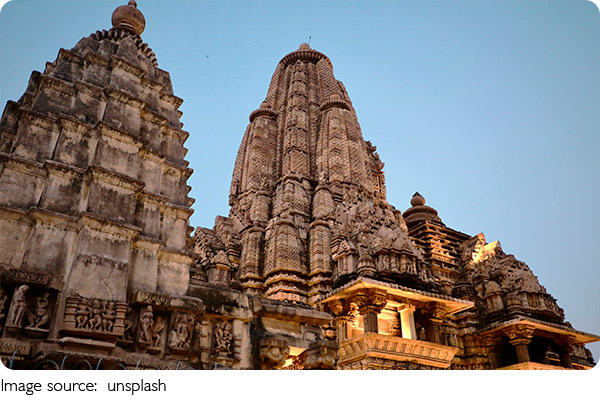
The Khajuraho temples stand as a testament to India's ancient artistic traditions, tolerance of faith, and cultural emphasis on living a balanced life. The allure of Khajuraho lies in its timeless beauty and the intriguing blend of sensuality and spirituality it embodies—a cultural marvel that continues to enchant scholars, historians, and travelers alike.