Explore Sao Paulo

Mukesh Kumar
| 03-04-2026
 · Travel team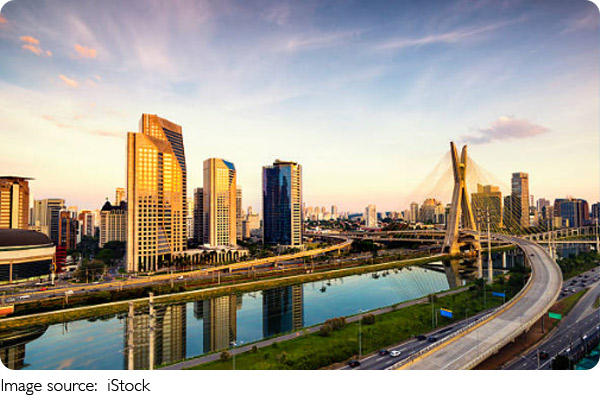
If we plan to travel to São Paulo, we are visiting the largest city in Brazil and one of the most dynamic urban centers in Latin America. It is a huge city with culture, art, parks, business districts, and strong local food scenes.
To travel smoothly, we need practical details: ticket prices, opening hours, transport fees, accommodation costs, and dining prices. Knowing these numbers helps us manage time and budget better.
Map of São Paulo and its metropolitan region.
Top Attractions — Tickets, Hours & Practical Details
São Paulo Museum of Art (MASP)
- Ticket Price: Around $10.
- Opening Hours: Tuesday to Sunday, 10:00–18:00. Closed on Mondays.
- Best Time: Weekday mornings to avoid crowds.
Tip: Check for discount days or free-entry promotions before visiting.
Ibirapuera Park
- Entry Fee: Free.
- Opening Hours: Daily from 05:00 to 23:00.
- What to Do: Walk, jog, cycle, relax by the lake, visit small museums inside the park.
Tip: Bring water and sunscreen because afternoons can be warm.
São Paulo Cathedral
- Entry Fee: Free (small extra fee if we join guided tours).
- Opening Hours: Usually around 08:00–17:00, may vary on special events.
- Best Time: Morning visits are quieter.
Liberdade District (Cultural Market Area)
- Market Days: Saturday and Sunday, usually 09:00–18:00.
- Entry: Free.
- Cost: Food and souvenirs typically range from $3–$8 for snacks and small items, depending on vendors.
- Best Time: Weekend mornings for better selection and fewer crowds.
Transportation — How We Get Around
Metro & Bus
- Metro Ticket Price: Around $1 per ride.
- It connects major areas like Paulista Avenue, Liberdade, Luz Station, and business districts.
- Rush Hours: Avoid 07:00–09:00 and 17:00–19:00 when trains and buses are crowded.
Airport Transfer (Guarulhos International Airport)
- Train + Metro: Usually the cheapest option, often just a few dollars total depending on the route.
- Rideshare or Taxi: More comfortable but typically costs $20–$50 depending on traffic and destination.
- Travel time depends heavily on traffic, so we should plan extra time.
Accommodation — Where to Stay & How Much It Costs
Budget Hostels / Budget Hotels
- Price: Around $40–$80 per night.
- Good for travelers who want simple rooms and central access.
Mid-Range Hotels
- Price: Around $90–$170 per night.
- Often include breakfast and better comfort.
Luxury Hotels
- Price: Usually $170 and above per night.
- Offer premium services, better locations, and extra facilities.
Recommended Areas to Stay
- Paulista Avenue / Bela Vista — Central and convenient.
- Itaim Bibi / Jardins — Trendy, safe, many restaurants.
- Republica / Downtown — Close to historic attractions but requires attention to surroundings.
Food & Dining — What We Pay for Meals
Street Food & Market Meals
- Snacks, sandwiches, fresh juice: $3–$8.
- Local market meals: $8–$15.
Mid-Range Restaurants
- Lunch or dinner per person: Around $15–$30.
- Many restaurants offer lunch specials at lower prices during weekdays.
Fine Dining
- High-end restaurants: $40 or more per person.
- The city is known for creative cuisine and international flavors.
A good strategy is mixing affordable local food with one special restaurant experience during the trip.
Estimated Daily Budget — Plan Before We Go
- Budget Travel — Around $40 per day (hostel + cheap food + public transport).
- Mid-Range Travel — Around $150 per day (comfortable hotel + restaurant meals + attractions).
- Luxury Experience — Higher depending on hotel choice and private tours.
These numbers help us estimate total trip expenses in advance.
Best Time to Visit
• April to October — Cooler weather and less rain, ideal for sightseeing.
• December to March — Warmer with more rainfall but lively with local events.
The climate is humid subtropical, so packing light clothes and a rain jacket is smart.
Final Travel Tips
• Buy museum tickets in advance if possible to save time.
• Use the metro for fast and affordable travel.
• Stay in central areas to reduce transport time.
• Keep small cash for markets and street vendors.
• Stay aware in crowded areas like any major global city.
Experience São Paulo Fully
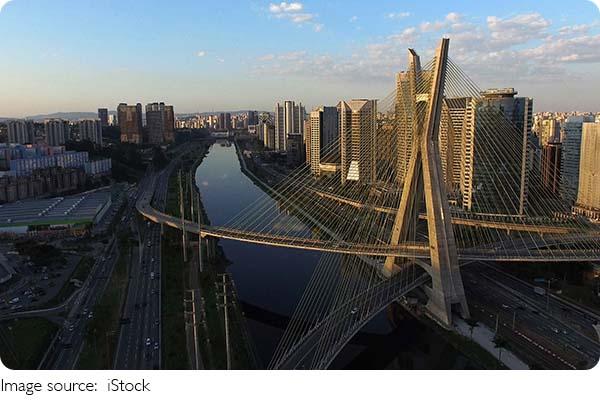
São Paulo is a city that rewards preparation and curiosity. When we understand the costs, transport system, best areas to stay, and practical tips before we arrive, we avoid stress and save time. Beyond numbers and plans, the real value of the trip comes from walking through its streets, tasting its food, exploring its parks, and meeting local people. Every neighborhood tells a different story.
If we travel with good planning and an open mind, São Paulo becomes more than a stop on the map — it becomes a meaningful experience we remember for a long time.