Growing Your Own Food

Isla
| 21-01-2026
 · Cate team
Have you ever looked at your grocery bill and thought, "I could have grown this at home"? With the rising cost of food and growing concerns about sustainability, more people are taking matters into their own hands by growing their own food.
It's not just about saving money—it's about making a positive impact on the planet. Let's explore how growing your own food can contribute to a more sustainable lifestyle.
1. Reducing Your Carbon Footprint
One of the most significant ways growing your own food contributes to sustainability is by lowering your carbon footprint. When you buy food from the supermarket, it often travels hundreds, sometimes thousands, of miles to get to your table. This long-distance travel requires a lot of energy, contributing to greenhouse gas emissions.
By growing your own food, you cut out the need for transportation, packaging, and refrigeration. For example, when you harvest homegrown tomatoes instead of buying them in plastic-wrapped containers at the store, you're directly reducing emissions. Even if you have a small garden or a few plants on your windowsill, every homegrown vegetable helps reduce the environmental impact.
2. Less Waste, More Efficiency
When you grow your own food, you get to control how it's harvested, stored, and consumed. This means you can minimize food waste, a major problem in our current food system. According to studies, nearly a third of all food produced globally ends up as waste. That's a huge strain on resources like water, land, and energy.
Home gardeners often have less waste because they can harvest just what they need. Leftovers can go back into compost, enriching the soil for future crops. Unlike supermarket produce that often ends up in the trash after a few days, homegrown food is used up more efficiently, reducing overall waste.
3. Lowering the Need for Pesticides
These chemicals can leach into the soil and water, polluting ecosystems and harming wildlife. This is supported by research from agricultural ecologist Dr. David Pimentel of Cornell University, whose work documented the widespread contamination and ecological damage caused by agricultural pesticide use. Growing your own food in a home garden, however, gives you full control over what goes into the soil and on your plants.
By opting for natural pest control methods, like introducing ladybugs to eat aphids or using oils, you can grow food without harmful chemicals. This reduces the environmental damage caused by pesticides, and the food you eat is healthier for you, too. It's a small step that contributes to the larger goal of reducing toxic chemicals in our environment.
4. Promoting Biodiversity
Biodiversity is the variety of life on Earth—plants, animals, insects, and microorganisms. The loss of biodiversity is a huge issue, as monoculture farming (growing a single crop over large areas) depletes the soil and reduces the variety of species in the ecosystem. Growing your own food can help combat this problem by encouraging a more diverse range of plants in your garden.
By planting a variety of fruits, vegetables, and herbs in your garden, you're contributing to biodiversity. A diverse garden supports pollinators like bees and butterflies and helps prevent soil erosion. Additionally, many home gardeners use heirloom varieties, which are plants that are not commercially available, helping to preserve plant diversity and reduce the need for genetically modified crops.
5. Saving Water
It may surprise you to know that home gardens often use less water than industrial farms. The reason? Home gardeners can use water more efficiently. Instead of relying on large-scale irrigation systems, you can water plants with a hose, watering can, or even a rain barrel.
There are also sustainable practices, like mulching or using drip irrigation, which help conserve water. Mulching keeps the soil moist, reducing the need for frequent watering. Drip irrigation directs water exactly where it's needed, reducing waste. In many regions facing water scarcity, this can be a game-changer for reducing the water footprint of food production.
6. Connecting with Nature and Building Resilience
Growing your own food isn't just good for the planet—it's good for you, too. Gardening connects you with nature, provides physical exercise, and offers a sense of accomplishment. Watching a seed grow into something you can eat is incredibly rewarding and teaches patience, responsibility, and respect for nature.
Additionally, growing your own food makes you less reliant on the industrial food system, which can be vulnerable to disruptions such as weather events, supply chain issues, or even pandemics. By cultivating your own food, you're building resilience into your life and creating a small but important layer of self-sufficiency.
7. The Social Impact of Growing Your Own Food
Growing your own food also strengthens communities. Community gardens, for example, bring people together to share knowledge, resources, and produce. These spaces allow people to connect with others in their neighborhood while working toward a common goal: sustainable food production.
Local food production can also help foster a more resilient local economy. Supporting small-scale food production, whether through community gardens or farmers' markets, can help keep money circulating within your community and reduce reliance on large-scale industrial farms that contribute to environmental degradation.
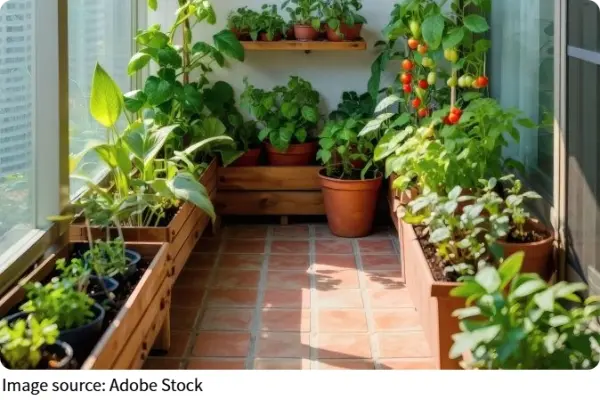
Growing your own food is more than just a hobby—it's a meaningful way to contribute to a sustainable future. From reducing your carbon footprint to promoting biodiversity, every step you take in growing your own food makes a difference. Whether you have a large backyard or a small balcony, there's always an opportunity to start planting and begin your journey toward a more sustainable lifestyle.
So, why not give it a try? Even if it's just a small herb garden to start, you'll be amazed at how much it can change the way you think about food and sustainability. Every seed you plant is one small step toward a healthier planet.