Vertical Farming

Naveen Kumar
| 21-01-2026
 · Cate team
Have you ever wondered where your food comes from and how it gets to your table? In a world where urbanization and climate change are putting pressure on traditional farming methods, vertical farming is emerging as a promising solution.
Imagine growing fresh produce in a city skyscraper or repurposed warehouse, using less land and fewer resources. Sounds like science fiction, right? But it's quickly becoming a reality. Let's take a look at how vertical farming is shaping the future of sustainable food production.
1. What is Vertical Farming?
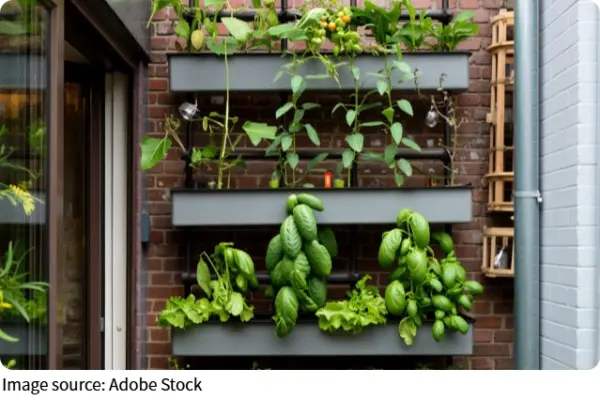
At its core, vertical farming is a method of growing crops in stacked layers, often within buildings, to maximize space. This innovative approach makes use of both horizontal and vertical space—so instead of growing crops on sprawling fields, they are grown indoors, in controlled environments, using hydroponic or aeroponic systems (growing plants with or without soil, respectively).
By using these techniques, vertical farming minimizes the amount of land needed to produce a large quantity of food. The result? A much smaller ecological footprint.
2. The Benefits of Vertical Farming
The appeal of vertical farming lies in the many advantages it offers, not just for the environment but also for communities and businesses. Here are a few reasons why this method could change the way we think about food production:
- Efficient Use of Space: With urbanization on the rise, available land for farming is shrinking. Vertical farming allows crops to be grown in buildings or warehouses, making it ideal for cities where space is limited. It's an efficient way to utilize the vertical space in areas that would otherwise be unproductive.
- Reduced Water Usage: Traditional agriculture is notorious for using large amounts of water, especially in drought-prone areas. Vertical farms, on the other hand, use hydroponic and aeroponic systems that require up to 90% less water than traditional farming methods. This makes vertical farming a more sustainable option in places where water is scarce.
- Reduced Carbon Footprint: Dickson D. Despommier, professor of public and environmental health at Columbia University and a leading proponent of vertical farming, argues that producing food directly within cities can significantly cut down the distance food travels from farm to consumer. By shortening supply chains and reducing reliance on long-haul transportation, he highlights that urban and vertical farming systems have the potential to lower fossil-fuel use and transportation-related greenhouse gas emissions
- Year-Round Harvests: Because vertical farms are typically located indoors, they aren't affected by seasonal weather changes. This means crops can be grown and harvested year-round, providing a steady and reliable food supply. No more worrying about crop failures due to unpredictable weather patterns or climate-related disasters.
- Pesticide-Free: In traditional farming, pesticides are often used to protect crops from pests. However, these chemicals can seep into our environment and harm ecosystems. Vertical farms can grow crops in controlled, indoor environments, reducing the need for harmful pesticides and herbicides.
3. How It Works? The Tech Behind Vertical Farming
Vertical farming might sound futuristic, but it's based on some pretty simple principles, and technology plays a big role in making it possible. Here's a breakdown of how these farms work:
- Hydroponics and Aeroponics: In vertical farming, plants are typically grown without soil. Instead, they are grown in nutrient-rich water or air. Hydroponic systems immerse the plant roots in water, while aeroponic systems suspend the plants in the air with a fine mist of nutrients. Both systems allow plants to grow faster and require less water compared to traditional soil-based farming.
- LED Lighting: Since these farms are often indoors, they rely on artificial lighting to help plants grow. LED lights are commonly used because they provide the necessary spectrum of light for photosynthesis while using less energy than traditional bulbs. These lights can be adjusted to mimic the natural sunlight patterns of any season.
- Automation and Data Analytics: Many vertical farms are highly automated. Robots are used to plant seeds, harvest crops, and even monitor plant health. In addition, data analytics are employed to track environmental factors such as temperature, humidity, and light, optimizing the growing conditions for each crop. This makes vertical farming highly efficient and scalable.
4. Challenges Facing Vertical Farming
While vertical farming is exciting, it's not without its challenges. Here are a few hurdles that need to be overcome for it to reach its full potential:
- High Startup Costs: Setting up a vertical farm requires a significant investment in infrastructure, including buildings, equipment, and technology. While the operating costs can be low, the initial capital outlay can be a barrier for many. However, as the technology matures, costs are expected to decrease.
- Energy Usage: While vertical farms are more efficient in terms of water and space, they can be energy-intensive, especially when it comes to lighting and climate control. Advances in renewable energy sources and more efficient systems could help mitigate this issue in the future.
- Scalability: While small-scale vertical farms are already in operation, scaling up to feed larger populations remains a challenge. The technology needs to be adapted for large-scale production, and new business models need to emerge to make it economically viable.
5. The Future of Vertical Farming
Despite the challenges, vertical farming is poised to play a significant role in the future of food production. As the technology improves and the need for sustainable practices increases, more cities and communities are likely to embrace vertical farming as a viable solution. From local food production in urban areas to the potential for integrating vertical farms into large-scale agricultural systems, the possibilities are endless.
As more farmers and businesses recognize the benefits, we may see vertical farms become a common part of the urban landscape, transforming how we grow, eat, and think about food.
Vertical farming isn't just a futuristic idea; it's already here and making an impact. By embracing this innovative method of food production, we can reduce our environmental footprint, increase food security, and create more sustainable ways to feed the growing global population. Whether it's through local urban farms or large-scale operations, the future of food is vertical—and it's looking greener every day.