Master Western Dining

Declan Kennedy
| 21-01-2026
 · Cate team
Ever sat at a formal dinner and felt completely lost? Maybe you weren't sure which fork to use, how to pass the bread, or whether it's polite to start eating before others.
Western dining etiquette can seem intimidating at first, but understanding a few key rules can make meals smoother, more enjoyable, and less stressful.
1. Seating and Greetings
When you arrive at a formal dining setting, wait for the host or hostess to direct you to your seat. Standing around or guessing where to sit can be awkward. A simple greeting like a smile, “Nice to meet you,” or a handshake if appropriate, sets a polite tone.
If it's a dinner with assigned seating, notice the place cards. Even casual dinners may have subtle hints about who sits where, so follow the host's lead. Being polite and attentive from the start creates a comfortable atmosphere for everyone.
2. Understanding the Table Setting
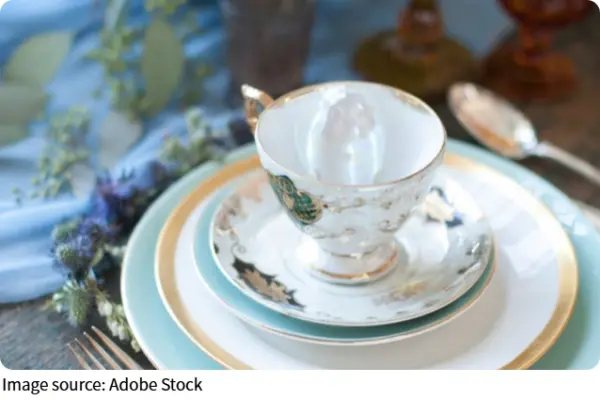
Western table settings can vary from simple to elaborate, but the basic rules remain consistent. Start from the outside and work your way in: the outermost utensils are used first. For example, if there's a soup spoon, it's usually the furthest right, while the fork for the main course is closer to the plate.
Plates, glasses, and utensils are generally arranged in the order they'll be used. Drinks glasses or water glasses are positioned above your knives. You don't need to memorize every detail, but having a general idea helps you feel more confident and prevents mistakes.
3. Using Utensils Correctly
Holding utensils correctly is important for comfort and etiquette. In the classic style, the fork is held in the left hand and the blade in the right. When cutting food, use the blade to guide and the fork to hold the food steady. Once a bite is cut, you can switch the fork to your dominant hand if you prefer.
For foods like pasta or salad, twirling or scooping neatly is key. Avoid gestures like stabbing food with your fork, as it can seem careless. Small, controlled movements show respect for the meal and those around you.
4. Napkin Etiquette
Your napkin is your first tool for proper dining etiquette. As soon as you sit down, unfold it and place it on your lap. Use it to gently dab your mouth as needed, but never use it to wipe your face or clean your nose.
When the meal is finished, loosely fold the napkin and place it to the left of your plate. This signals politely that you've finished without drawing attention to yourself.
5. Engaging in Conversation
Mealtime is social, so engaging in light, polite conversation is encouraged. Avoid controversial or overly personal topics. Listening actively and responding thoughtfully shows respect and interest in your dining companions.
Remember to pace your eating with others. Starting before everyone has been served or rushing through your meal can make the experience uncomfortable. Taking your time encourages a relaxed and enjoyable atmosphere.
6. Passing Food and Sharing
When passing dishes, pass them to the right unless the host instructs otherwise. Use serving utensils rather than your own cutlery to serve yourself. If a dish is being offered to everyone, take a reasonable portion instead of overloading your plate.
These small acts demonstrate consideration for others and make group dining smoother. It's a subtle way to show you understand etiquette without needing formal training.
7. Wrapping Up the Meal
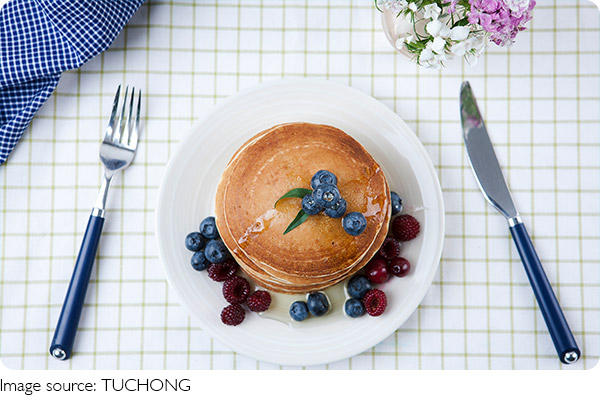
When you finish eating, place your utensils neatly on your plate, typically parallel, to signal that you are done. Avoid leaving food scattered or utensils sticking out awkwardly. Thank the host before leaving, either verbally or with a polite note if appropriate.
Finishing gracefully leaves a positive impression and reflects well on your manners.
Final Thoughts
Western dining etiquette might seem intimidating, but it's really about showing respect, being considerate, and enjoying the meal with others. Focus on key points like seating, utensil use, napkin manners, conversation, and serving etiquette. With a little attention and practice, you'll feel confident at any table, avoid awkward moments, and make meals more enjoyable for everyone involved. Polished etiquette isn't just about rules—it's about creating a pleasant dining experience for yourself and those around you.