Motorcycle Tires

Declan Kennedy
| 27-01-2026
 · Automobile team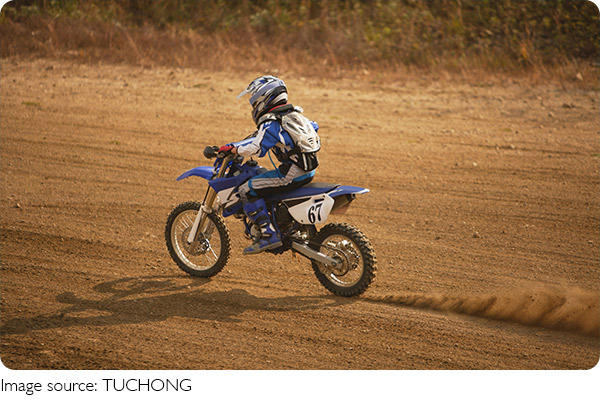
Ever noticed how different motorcycles handle on the same road? Often, the secret isn't the engine or suspension—it's the tires.
Tires are the only part of your bike touching the asphalt, and their choice affects grip, stability, and comfort more than anything else.
Picking the right set is both a science and an art, balancing riding style, terrain, and performance needs.
Understanding Tire Types
Motorcycle tires aren't one-size-fits-all. There are a few main categories to know:
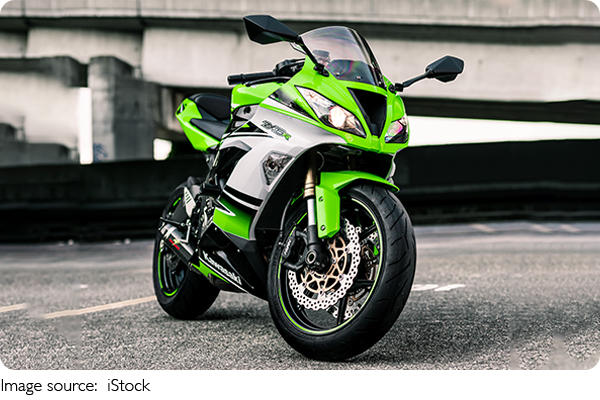
Sport Tires – Designed for high-speed handling and cornering. They feature softer rubber for maximum grip on paved roads, but wear faster and aren't ideal for wet or rough surfaces.
Touring Tires – Built for long-distance comfort and durability. They balance grip with longevity and often handle wet conditions better than sport tires.
Dual-Sport Tires – A mix of street and off-road performance. Perfect for riders who split time between pavement and trails.
Off-Road Tires – Aggressive tread for dirt, mud, or gravel. They offer minimal grip on asphalt but excel on rugged terrain.
Choosing the right type starts with knowing where and how you ride most often. A commuter may prioritize touring tires, while a weekend track enthusiast leans toward sport tires.
Reading Tire Specifications
Every tire comes with a set of numbers and letters on the sidewall, and they're more important than most riders realize. For example, a marking like “120/70 ZR17” reveals width, aspect ratio, construction type, and wheel diameter. Matching these specifications to your motorcycle's manual is crucial—incorrect sizing can affect handling and even safety.
Pay attention to load and speed ratings too, ensuring your tires can handle the weight of the bike plus any passengers.
Tread Patterns and Grip
Tread isn't just cosmetic. It affects water dispersion, traction, and cornering ability. Tires with deeper grooves excel in rain, reducing the chance of hydroplaning. Slick or semi-slick tires maximize contact with dry asphalt, improving grip for performance riding. Some riders even choose specialized tread designs for touring or adventure bikes to balance highway and dirt-road performance.
Rubber Compounds Matter
Not all rubber is created equal. Softer compounds offer superior grip but wear faster, while harder compounds last longer but may feel slippery in cool or wet conditions. High-performance riders often accept shorter tire life for better handling, while casual riders prioritize durability. Understanding this trade-off helps prevent surprises and keeps your bike predictable in corners and braking.
Maintenance and Longevity
Even the best tires won't perform if they're neglected. Check air pressure regularly—it affects grip, fuel efficiency, and tire wear. Look for uneven wear patterns, which can indicate alignment or suspension issues. Most tires last between 5,000 and 15,000 miles, depending on type, riding style, and road conditions. Rotating or replacing worn tires promptly maintains both safety and ride quality.
Investing in Quality
Quality tires aren't cheap, but they're worth every dollar. Trusted brands invest in research and testing, ensuring reliable performance and consistency. While budget options exist, they often compromise grip, durability, or comfort. Think of tires as an investment in safety and enjoyment—they directly influence how the bike feels under your hands and feet.
Matching Tires to Your Bike
Finally, tires should complement your motorcycle. Sport bikes demand responsive, grippy tires; cruisers need stable, long-lasting rubber; adventure bikes benefit from versatility. Even the same tire model can feel different depending on weight, suspension setup, and riding posture. Test rides and expert advice can help narrow the choices.
Tires are more than a pair of rubber circles—they're the interface between rider and road. Choosing the right ones improves safety, performance, and enjoyment, while the wrong choice can make even the smoothest bike feel unpredictable.
When selecting tires, consider your riding style, road conditions, and how far you're willing to trade longevity for grip. Invest in quality, maintain them well, and every ride becomes safer, smoother, and more satisfying.