Motorcycles Beyond Transport

Arjun Mehta
| 27-01-2026
 · Automobile team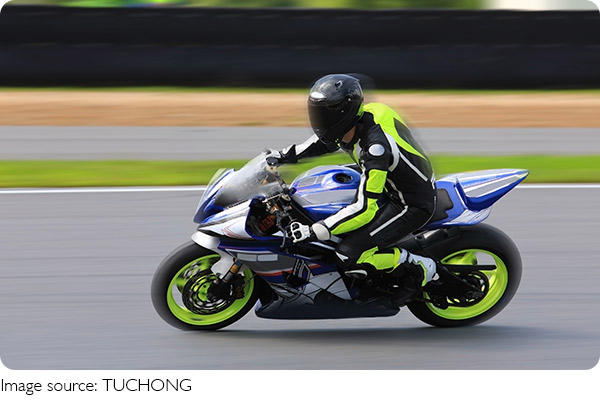
Motorcycles aren't just about getting from point A to point B.
Walk down a street in any major city and you'll notice how two wheels can say a lot about someone's personality, their community, and even their country's way of life.
The sound of an engine, the style of a frame, and the way people ride tell stories far deeper than simple transportation.
Freedom on Two Wheels
For many riders, motorcycles represent independence. Unlike cars, which are often tied to family use or commuting, a motorcycle feels personal. In some countries, owning one is a rite of passage. Young people might save for years just to buy their first bike, because it's not just a machine—it's freedom.
You see it in the way bikers take long coastal rides, winding through mountain passes, or cutting through dense city streets. The sense of control, the closeness to the road, and the wind brushing past create an unmatched feeling.
Symbols of Style and Identity
Motorcycles carry cultural meaning far beyond mobility. A cruiser bike with chrome details might symbolize freedom. A sleek sports bike often hints at speed, youth, and daring. In Southeast Asia, small scooters often reflect practicality and daily living, while in parts of Europe, vintage bikes represent nostalgia and artistry. These differences show how motorcycles can be woven into national identity.
1. The United States – The chopper became a cultural icon in the 1960s, tied to counterculture and freedom. Even today, groups riding Harley-Davidsons carry a sense of open-road romance.
2. Japan – Engineering gave rise to motorcycles designed for precision and reliability. Brands built reputations around craftsmanship, and street bikes became a symbol of innovation and urban energy.
3. Italy – Scooters, especially classic Vespas, represent elegance and simplicity. They're tied to fashion, cinema, and the charm of narrow city streets.
Each culture adapts motorcycles to its own story, shaping how they're seen by riders and bystanders alike.
Community and Brotherhood
A single motorcycle may belong to one rider, but the culture often builds strong communities. Clubs and riding groups exist worldwide, ranging from small weekend crews to large international networks. These groups aren't only about bikes—they're about belonging.
Riders wave to each other on the road, attend rallies, and share knowledge about maintenance and safety. In some places, these gatherings can attract tens of thousands, turning into cultural festivals with music, food, and art.
Everyday Necessity vs. Leisure
Motorcycles don't always mean leisure. In many regions, they're the backbone of everyday life. Families rely on them for school runs, carrying goods, and getting through traffic. In dense urban areas, motorcycles are often faster and more affordable than cars. But elsewhere, they become weekend passions—machines polished in garages and taken out only on sunny days.
This dual role is part of what makes motorcycles fascinating: they're both tools and treasures.
Artistry in Motion
The cultural role of motorcycles doesn't stop at function. Custom builders see bikes as canvases. Stripped-down café racers, hand-painted tanks, and reimagined vintage models show how personal expression comes alive through design. Some museums even showcase motorcycles as pieces of art, recognizing their influence on design history.
Whether it's the roar of an engine or the curve of a fender, motorcycles inspire creativity that stretches far beyond the road.
The Emotional Connection
Ask any rider why they love motorcycles, and the answer usually isn't technical. It's emotional. Riding becomes therapy—a way to clear the mind and escape routine. The rhythm of the engine, the flow of corners, and the focus required create a meditative state. This explains why motorcycles remain culturally powerful: they connect people not just to the road, but to themselves.
Reflection
Motorcycles may look like simple machines, but across countries, they've become markers of freedom, fashion, practicality, and passion. They tell us about history, about resilience, and about how people choose to live. Whether it's a scooter carrying groceries or a roaring cruiser on a highway, two wheels can mean much more than transport. They represent the stories of those who ride them—and the cultures that shape their meaning.