Smarter Routes Ahead

Darius
| 26-01-2026
 · Automobile team
Ever had your GNSS suggest a faster route just as traffic started piling up? That little moment of relief is where artificial intelligence is already working behind the scenes.
Car navigation has come a long way from paper maps and static GNSS units. Today, AI is turning navigation into something more dynamic, predictive, and surprisingly personal.
From Directions to Predictions
Traditional GNSS was all about location: where you are and how to get to your destination. But it couldn't predict sudden changes. AI changes that by analyzing huge amounts of real-time data—traffic conditions, weather, even construction updates—and adjusting routes on the fly. Instead of just telling you how to get somewhere, it tells you the smartest way, right now.
For example, if there's an accident a mile ahead, AI can reroute drivers within seconds, sometimes before traffic fully clogs up. This level of prediction makes driving not only faster but also less stressful.
Personalized Navigation
What makes AI even more interesting is its ability to learn from the driver. If you usually prefer avoiding toll roads or love scenic routes, AI systems can adapt. Over time, they notice patterns in your behavior and offer routes that match your preferences without you needing to manually adjust settings each trip.
This personalization goes beyond routes. AI can also make time suggestions. If you normally stop for coffee on the way to work, some systems will highlight a café along your usual path. It's like having a co-pilot who remembers your habits and makes recommendations that actually fit your lifestyle.
Integrating Safety
Navigation isn't just about speed. AI is being built into systems that also prioritize safety. For example, AI-enhanced maps can highlight areas with high accident rates or warn about sharp curves ahead. Some systems even integrate with advanced driver assistance features, slowing down the car automatically in risky zones.
These layers of safety mean navigation is no longer a passive tool—it's becoming part of the driving strategy itself. Think of it as moving from a talking map to a smart advisor sitting next to you.
Voice and Visual Assistance
One big leap forward is the way drivers interact with navigation. Instead of fiddling with screens, AI-powered voice assistants can take complex commands naturally. You can say, “Find me the fastest route home that avoids highways,” and the system will understand.
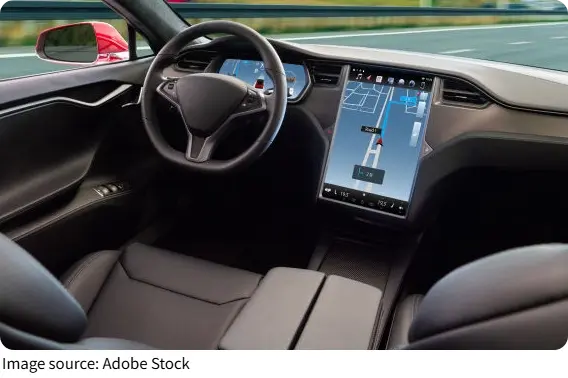
Pair that with augmented reality displays—arrows projected onto the windshield or dashboard screens—and directions become clearer and less distracting. This blend of voice and visuals makes it easier to keep your eyes on the road and your hands on the wheel.
The Future on the Horizon
Where is this heading? As cars edge closer to full autonomy, navigation will shift from driver-focused to vehicle-focused. AI will not only choose routes but also handle the driving itself. In the meantime, we can expect navigation systems to become more context-aware.
1. They'll anticipate needs—like suggesting a charging station before your electric car battery runs low.
2. They'll factor in external influences, such as weather forecasts, to suggest safer routes.
3. They'll sync with calendars and reminders, guiding you to the right place at the right time.
The exciting part is how invisible much of this will feel. You won't notice every calculation happening in the background, but you'll notice smoother trips and fewer frustrating moments on the road.
AI is making navigation systems less about following instructions and more about guiding experiences. It's turning the drive into something that adapts to you instead of the other way around.
The next time your car suggests a detour just before you hit a wall of brake lights, take a second to appreciate what's going on under the hood. It's not luck—it's a sign that the future of driving is already here, quietly learning and guiding every mile.