Yellow Dandelions

Tessa
| 27-02-2026
 · Travel team
There's something cheerful about a patch of yellow dandelions waving in the breeze.
Their bright hue catches your eye immediately, and while some see them as common weeds, dandelions hold fascinating qualities and hidden potential.
Exploring them closely reveals a blend of beauty, resilience, and usefulness that often goes unnoticed.
Identifying Yellow Dandelions
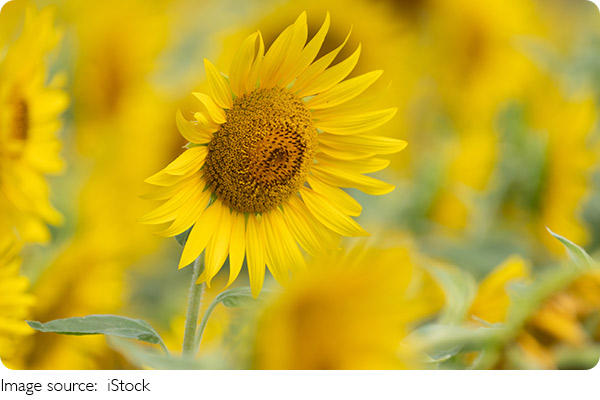
The classic yellow flower head sits atop a hollow stem that can reach up to 12 inches tall. Its bright petals are densely packed, giving the flower a sun-like appearance.
Leaves grow close to the ground in a rosette pattern, jagged-edged, and often with a deep green hue. They exude a slightly bitter taste when chewed.
The seeds are dispersed by wind, forming delicate white puffballs that float across gardens and fields.
Actionable tip: To easily identify dandelions in your yard, look for the combination of bright yellow flowers and jagged leaves. This helps distinguish them from similar-looking flowers like cat's ear or sow thistle.
Health and Nutritional Benefits
Rich in vitamins – Dandelion leaves provide vitamins A, C, and K, supporting overall well-being.
Mineral content – They contain potassium, calcium, and iron, which contribute to balanced nutrition.
Herbal uses – Traditional practices use dandelion for teas and infusions, often believed to support digestion and liver health.
Actionable tip: Try adding fresh young dandelion leaves to salads or smoothies for a nutrient boost. Their slightly bitter flavor pairs well with sweet fruits or creamy dressings.
Garden Benefits and Resilience
Dandelions attract pollinators, including bees and butterflies, supporting a healthy garden ecosystem.
Their deep taproots break up compacted soil, bringing nutrients closer to the surface for other plants.
They thrive in a variety of conditions, from sunny lawns to partially shaded areas, showcasing impressive resilience.
Actionable tip: Rather than removing dandelions entirely, consider leaving a few around the garden's edges to benefit pollinators and improve soil structure naturally.
Creative Uses in Cooking
Salads – Young leaves can be tossed with olive oil, lemon, and salt for a refreshing, slightly bitter salad.
Teas and infusions – Steep dried flowers or roots in hot water for a mild herbal tea.
Jellies and syrups – The petals can be used to make a naturally sweet yellow jelly or syrup, adding color and flavor to breakfasts or desserts.
Actionable tip: When harvesting dandelions for food, choose flowers and leaves from areas free of pesticides and heavy traffic to ensure they're safe to consume.
Fun and Educational Activities
Seed dispersal observation – Let children tap the puffballs and watch the seeds float, teaching them about plant reproduction.
Flower pressing – Collect bright yellow blooms for pressing and creating art or bookmarks.
Nature journaling – Document dandelion growth stages, from seedlings to flowers to seed heads, encouraging curiosity about plant life cycles.
Actionable tip: Encourage kids to collect a few dandelions for a simple craft project, such as making flower crowns or sun-themed decorations. It combines outdoor activity with hands-on learning.
Managing Dandelions in Your Yard
Targeted removal – Use tools to dig out the deep taproot if you prefer a lawn free of dandelions.
Natural deterrents – Maintaining thick, healthy grass can reduce dandelion spread by limiting available sunlight and space.
Permitting growth – Accepting dandelions in select areas allows you to enjoy their benefits without letting them overrun your entire yard.
Actionable tip: Create a designated “wildflower patch” in your yard where dandelions and other native flowers can grow freely, balancing aesthetics with ecological benefits.
Yellow dandelions are more than just common weeds; they offer a mix of visual charm, nutritional value, and ecological support. By recognizing their uses and incorporating them thoughtfully into cooking, gardening, or educational activities, you can appreciate this resilient flower in ways you might never have considered. Next time you spot a vibrant yellow patch, take a moment to admire its versatility and cheerfulness—it's nature's small, golden gift.