Meteor Showers Unveiled

Caroll Alvarado
| 21-02-2026
 · Travel team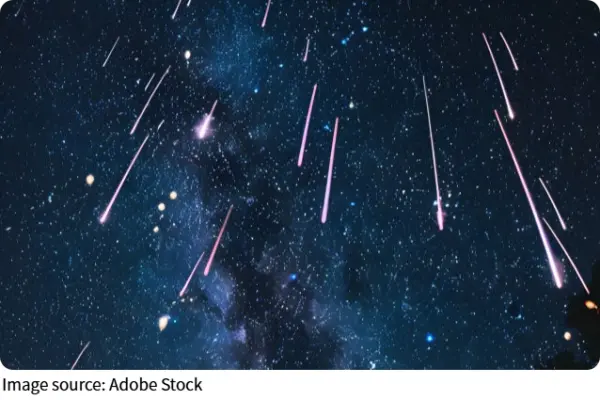
Watching the night sky can feel like stepping into another world.
One moment it's calm and still, the next, streaks of light flash across the darkness, leaving you breathless.
Meteor showers turn ordinary nights into magical experiences, and understanding them makes the show even more unforgettable.
What Triggers Meteor Showers
Meteor showers happen when Earth passes through trails of dust and debris left by comets. These tiny particles, often no bigger than grains of sand, burn up in our atmosphere and create the bright streaks we see.
Understanding timing: Meteor showers are predictable because comets follow regular orbits. For example, the Perseids peak every August, offering up to 100 meteors per hour under ideal conditions. Knowing the peak dates lets you plan your night for the best view.
Spotting the source: Each shower seems to radiate from a specific point in the sky, called the radiant. This doesn't mean meteors appear only there—it just helps identify which shower you're observing. Using a star map or a mobile app can guide you to the radiant, improving your viewing experience.
Actionable tip: Mark your calendar with meteor shower peak nights, and check the moon phase—darker skies give better visibility.
Choosing the Perfect Viewing Spot
Location is everything for enjoying a meteor shower. Light pollution can ruin the experience, so look for areas far from city lights. National parks, lakesides, or countryside fields are ideal.
Open space: Choose a spot with a clear, unobstructed view of the sky. Trees, hills, and buildings can block your sight lines and reduce the number of meteors you see.
Comfort matters: Bring a reclining chair or a blanket to lie on. Lying back reduces neck strain and lets you take in as much of the sky as possible. Dress warmly—even summer nights can get chilly—and pack snacks and drinks to stay comfortable during long hours outside.
Actionable tip: Arrive at least 30 minutes before peak times to allow your eyes to adapt to the darkness, improving your ability to see fainter meteors.
Enhancing the Meteor Shower Experience
A meteor shower is more than just watching streaks of light; it can become a full night of adventure.
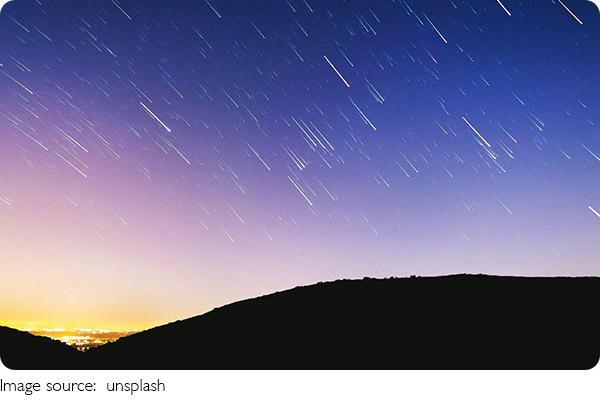
Photography: Use a tripod and a camera with manual exposure settings to capture long trails. A wide-angle lens is best to cover more sky, and exposures of 15–30 seconds can reveal multiple meteors in a single frame.
Sharing the moment: Bring friends or family along. Talking quietly about constellations or telling stories under the stars makes the experience memorable. For solo stargazers, apps that identify constellations can add an educational twist.
Tracking and counting: Keep a notebook to log meteors by time or type. You might notice patterns over different nights, such as brighter meteors or changes in speed. It's a fun way to engage actively rather than passively watching.
Actionable tip: Combine your meteor-watching night with a constellation tour. Apps can point out planets, stars, and deep-sky objects to make the night more interactive.
Understanding Meteor Shower Variations
Not all meteor showers are alike. Some are intense but brief, while others are slower but last longer.
Intensity: The number of meteors per hour varies greatly. For instance, the Geminids in December are known for producing bright, colorful meteors, whereas the Draconids in October may be more sporadic.
Color and speed: Meteors can appear in different colors depending on the minerals they contain—iron meteors often shine yellow, while sodium produces orange streaks. Speed varies too; some meteors dash quickly across the sky, while others drift slowly and are easier to track with your eyes.
Actionable tip: Take note of color and speed. Over time, this helps you recognize which showers are in progress and improves your stargazing skills.
Making Meteor Showers a Habit
Meteor showers occur throughout the year, giving multiple chances to experience the thrill. Treat each event as a mini-adventure, planning for different seasons and locations.
Regular observation: Keeping a simple meteor calendar and noting past experiences helps build a personal guide. You'll start recognizing patterns, like which showers produce the most vivid meteors from your location.
Combining with other stargazing: Pair showers with lunar observations or planetary tracking. Observing Jupiter's moons or Saturn's rings alongside a meteor shower adds depth to your night sky experience.
Actionable tip: Create a yearly meteor log with photos, sketches, and notes. This turns casual stargazing into a personal astronomy project you can enjoy over time.
Spending a night under a meteor shower reminds us how vast and dynamic the universe is. Each streak of light is fleeting, yet watching them can spark lasting wonder. Planning ahead, choosing the right spot, and engaging fully with the night sky turns a simple observation into a memory that lingers long after the last meteor fades.