Winter on the Havel

Sofia Alvarez
| 12-06-2026
 · Travel team
Your breath turns visible the second you step outside. The river looks slower in winter, as if it's thinking before it moves. Snow rests lightly on the reeds along the banks, and the only sound is the soft crunch under your boots.
This is the Havel River in winter—calm, wide, and surprisingly accessible if you know where to go.
The Havel flows through northeastern Germany, passing lakes, forests, and small historic towns like Brandenburg an der Havel before eventually joining the Elbe. In summer, it's busy with boats and cyclists. In winter, it becomes something else entirely: quiet, reflective, almost meditative.
If you're planning a winter visit, focus on one key idea: choose the right stretch of river and time of day. That's what turns a cold walk into something unforgettable.
Havel
Where to Experience the Best Winter Views
Not every section of the Havel feels dramatic in winter. The most scenic areas are:
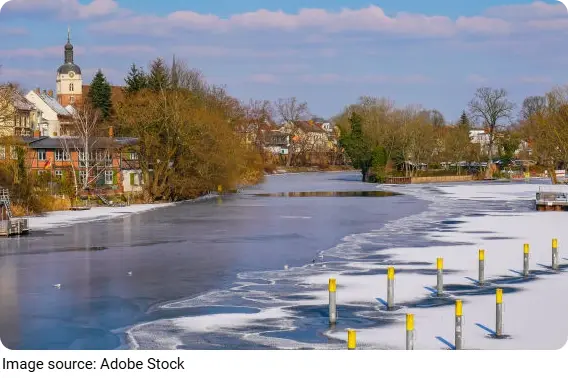
• Brandenburg an der Havel – Historic town views with cathedral towers rising above snowy rooftops.
• Havel Lakes near Potsdam – Wide water surfaces that partially freeze during cold spells.
• Havel River Landscape Nature Park – Flat wetlands, frost-covered reeds, and open skies.
If you prefer architecture and cozy cafés afterward, base yourself in Brandenburg an der Havel. If you want pure nature and long riverside walks, head toward the nature park areas.
The Nature Park has no entrance fee and is open year-round. Trails are accessible at all hours, though daylight in winter is limited—usually from about 8 a.m. to 4:30 p.m. in December and January.
Best Time to Visit (It's Not Just About Snow)
Snow is beautiful, but it's not guaranteed. What makes winter special here is light.
The best months are late December through February, when temperatures often drop below freezing. Mornings can be misty, with thin fog hovering over the water.
For the most dramatic views:
Arrive between 8:00–9:30 a.m. for frost and soft pink sunrise light.
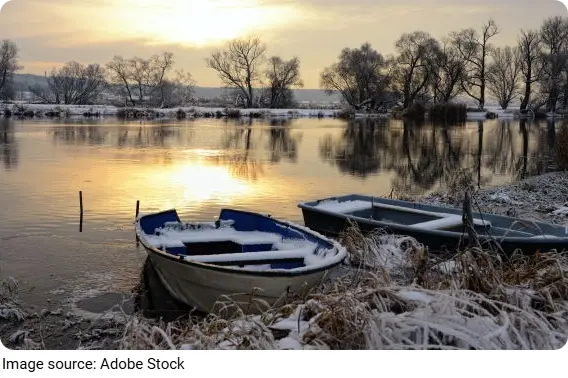
Or visit just before sunset around 3:00–4:00 p.m. for golden reflections on icy water.
Midday light tends to flatten the landscape. Early and late hours create depth and contrast.
Local tip: Check weather forecasts for two consecutive freezing nights. That's when shallow sections along the banks begin to form thin ice sheets, creating beautiful textures for photos.
Getting There Without Stress
The Havel region is easily reachable from Berlin.
Regional trains from Berlin to Brandenburg an der Havel take about 45–60 minutes. Tickets cost approximately $12–$18 USD one way, depending on fare type.
From the train station, it's a 15–20 minute walk to scenic river sections.
If heading to more remote nature park areas, renting a car provides flexibility.
Winter roads are generally maintained, but rural paths can be icy. Wear boots with good traction—this isn't optional.
What to Actually Do There
Winter by the Havel isn't about activities. It's about pace.
Here's how to structure a simple half-day visit:
• Riverside walk (1–2 hours) – Follow marked paths along the water. Stop often. The stillness is part of the experience.
• Short boat harbor visit – Even in winter, small marinas create striking contrasts between frozen edges and dark water.
• Warm-up break in town – In Brandenburg an der Havel, local cafés open from around 9 or 10 a.m. A hot drink after cold air feels earned.
If temperatures drop far below freezing, parts of smaller lakes may freeze more fully. Never step onto ice unless clearly marked safe by local authorities.
What Makes Winter Special Here
The Havel landscape is wide and open. In winter, that openness becomes the main character.
You'll notice:
Muted colors – Soft grays, pale blues, white frost.
Sound clarity – Every bird call echoes farther.
Empty trails – You may walk for minutes without seeing another person.
Unlike mountainous winter destinations, this river landscape doesn't overwhelm you. It invites you to slow down.
If you enjoy photography, bring a tripod. Low winter light and mist create long exposure opportunities, especially during sunrise.
How to Dress and Prepare
Winter temperatures often range between 23°F and 39°F (-5°C to 4°C).
Dress in layers:
• Thermal base layer
• Insulated jacket
• Waterproof outer shell if snow is expected
• Gloves and a warm hat
Wind along open riverbanks can make it feel colder than the actual temperature.
Bring:
• A thermos with tea or coffee
• A small backpack with snacks
• Spare socks in case snow melts into your boots
Small comforts matter more in winter.
How Long Should You Stay?
A single overnight stay is ideal.
Arrive in the afternoon, explore during sunset, stay overnight, then wake early for frost-covered morning views. Most hotels in Brandenburg an der Havel range from $80 to $150 per night, depending on season and amenities.
You don't need a full week here. Winter on the Havel works best as a short, intentional escape.
Some places impress you with scale. Others stay with you because of how they make you feel.
The Havel in winter isn't loud or dramatic. It's subtle. It rewards patience. It asks you to walk a little slower and notice how the light shifts across frozen reeds.
When you leave, you might not have dozens of photos or a packed itinerary. But you'll remember the quiet. The cold air in your lungs. The way the river seemed to pause.
If you've been craving a trip that feels simple and grounding, this might be it. Just bring warm boots—and give yourself time to stand still by the water.