Space Needle Done Right

Naveen Kumar
| 18-05-2026
 · Travel team
You step out of the monorail, look up, and there it is—tall, sleek, almost unreal against the gray-blue sky.
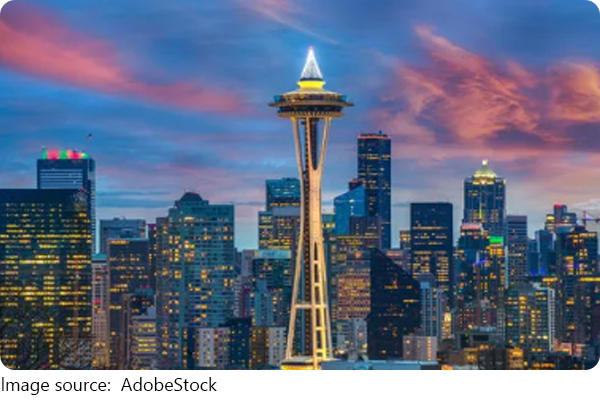
The Space Needle doesn't just sit in Seattle's skyline. It defines it. And yet, most people rush through it in under an hour, snap a few photos, and leave without realizing what makes it truly special.
If you're going to visit, you might as well do it right.
This guide isn't about basic facts. It's about timing your visit, choosing the right ticket, and knowing exactly where to stand so you walk away thinking, “That was worth it.”
What You're Actually Going For
The Space Needle stands 605 feet tall and was built for the 1962 World's Fair. But history isn't the main event. The real draw is the recently renovated observation experience, which includes two levels:
• The upper observation deck with floor-to-ceiling glass walls.
• The Loupe, the world's first rotating glass floor.
The glass floor is what changes everything. You're not just looking out—you're looking straight down at the city from 500 feet above ground. Elevators, people, tiny cars—it all moves beneath your feet.
If you're even slightly nervous about heights, here's a practical tip: start on the upper deck first. Let your body adjust to the elevation before stepping onto the glass floor. The transition feels smoother, and you'll enjoy it more.
Tickets: What to Buy (and What to Skip)
Standard admission for adults (ages 13–64) is typically around $35–$39 USD, depending on the time of day. Children (ages 5–12) usually pay around $26–$30 USD. Prices can fluctuate slightly during peak seasons.
Here's what matters:
• Buy online in advance. Tickets for popular time periods sell out, especially between 3 p.m. and sunset.
• Choose late afternoon. This gives you daylight views and sunset in one visit.
• Allow 90 minutes. You won't feel rushed, and you can circle the deck multiple times as the light changes.
There's also a combo ticket with the nearby Chihuly Garden and Glass exhibit for about $65–$70 USD. If you enjoy art and want to maximize your time in Seattle Center, it's a solid value. If you're short on time, focus on the Needle itself.
Best Time to Go (This Makes or Breaks It)
Seattle's weather is famously unpredictable, and visibility is everything here. On a clear day, you'll see:
• Mount Rainier to the south
• The Olympic Mountains to the west
• Lake Union below
• Ferries crossing Elliott Bay
On cloudy days? You'll see… clouds.
The best months for clear views are typically July through September. Skies are brighter, sunsets stretch late into the evening, and visibility is strongest.
For daily timing, aim for one of these:
• Opening hour (usually 9 or 10 a.m.) – Fewer crowds, calm atmosphere.
• Golden hour (about 60–90 minutes before sunset) – The city turns warm and reflective.
Avoid midday on weekends if possible. That's when tour groups and cruise visitors tend to overlap, and elevator lines grow longer.
Local tip: check the live webcam on the Space Needle website before heading out. If you can clearly see Mount Rainier on the cam, it's a green light.
Getting There Without Stress
The Space Needle is located in Seattle Center, about a mile north of downtown.
Here are the easiest options:
• Seattle Center Monorail – Departs from Westlake Center downtown. The ride takes about 2 minutes and costs around $3–$4 each way. It's quick, simple, and part of the experience.
• Light rail + short walk – Take the Link Light Rail to Westlake Station, then connect to the monorail or walk 20 minutes.
• Rideshare – Convenient, but traffic can slow things down during events.
• Parking near Seattle Center can cost $20–$30 for a few hours. If you're staying downtown, public transit is usually faster and cheaper.
Space Needle
Where to Stand for the Best Photos
Most people crowd one section and stay there. Don't.
Instead:
• Walk the entire upper deck once without taking photos. Just look.
• Notice where the skyline layers best—usually facing south toward downtown.
• Return to that spot when the light softens.
• For dramatic mountain shots, head west-facing during late afternoon. For city lights, stay after sunset and position yourself toward downtown as buildings begin to glow.
And here's something many miss: reflections on the glass walls can ruin photos. Press your phone lens lightly against the glass to eliminate glare.
How Long to Stay (Longer Than You Think)
Many visitors spend 45 minutes. That's enough for a quick look—but not enough for the atmosphere to shift.
Stay at least one full light cycle—from bright afternoon to early evening. Watching the city transition from day to dusk is surprisingly emotional. Ferries leave trails in the water. Stadium lights flick on. The sky deepens.
It feels less like sightseeing and more like witnessing something unfold.
Small Details That Make a Big Difference
Restrooms are available on the observation level—use them before peak sunset rush.
There's food and coffee downstairs, but it's priced like an attraction. Eat beforehand if you're budget-conscious.
Dress in layers. Even in summer, wind at 500 feet can feel cool.
Most importantly, don't rush the glass floor. Sit down on it for a moment. Let your legs dangle over the city. The sensation shifts from fear to fascination in about 30 seconds.
That's the moment people remember.
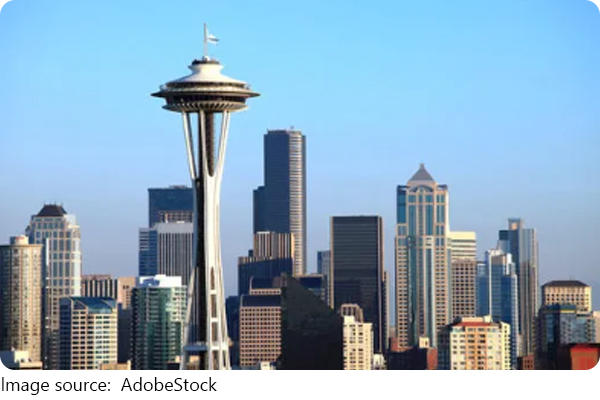
When you think about iconic landmarks, it's easy to treat them like checklist items. Show up. Take photo. Leave.
But the Space Needle rewards patience. A slower walk. A better time slot. An extra half hour.
If you plan it thoughtfully, you won't just see Seattle from above—you'll feel connected to it.
So when you step into that elevator and it begins to rise, pause for a second. Instead of wondering how fast it's going, ask yourself something quieter: how often do you get to see a city from this angle?
Then give yourself enough time to really look.