Winter at Lake Baikal

Finnegan Flynn
| 21-02-2026
 · Travel team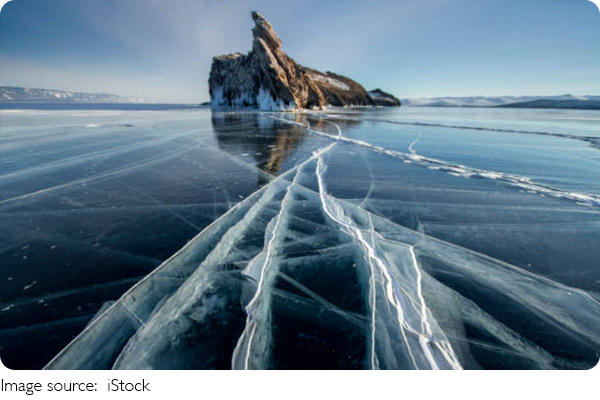
The first step onto the ice is the hardest. It creaks softly under your boots, and your brain insists this can't possibly be safe.
Then you look down. Beneath your feet, the water of Lake Baikal lies frozen into crystal-clear layers, bubbles trapped like tiny galaxies. In that moment, the cold doesn't matter anymore.
Winter transforms Lake Baikal in Siberia, Russia into something otherworldly. From late January through early March, the lake freezes solid—up to three feet thick in places—creating a natural ice world you can walk on, drive across, and photograph for hours. If you're planning a winter trip, one core idea will shape everything: timing and access are everything.
When to Visit for Perfect Ice
Baikal doesn't freeze overnight. Early winter (December–January) brings snow, but the ice is often covered and less photogenic. If your goal is that famous glass-like transparency, aim for:
Mid-February to early March – Best balance of clear ice and stable thickness
Late January – Fewer visitors, but ice clarity varies
Avoid early December if you want to walk on the lake
Temperatures range from -5°F to 14°F (-20°C to -10°C). Dress in layers: thermal base, insulated mid-layer, windproof outer shell. Bring hand warmers. The wind off the lake can be sharp.
Sunrise around 8:30 a.m. and sunset around 5:30 p.m. give you about nine hours of daylight. Plan outdoor exploration between 10 a.m. and 3 p.m. when light is strongest and wind is often calmer.
Getting There Without Stress
Most international travelers fly into Irkutsk, the main gateway city about 40 miles from Lake Baikal. Round-trip flights vary widely depending on departure location, but budget at least $600–$1,200 from Europe.
From Irkutsk to Olkhon Island:
Shared minibus (marshrutka) – Around $20–$30 one way; 4–6 hours including ferry or ice road
Private transfer – $150–$250 per vehicle; faster and more flexible
Winter ice road driving (February onward) replaces ferry service
If you're staying in Listvyanka village instead, it's only about one hour from Irkutsk by taxi or bus, costing around $10–$25.
Local tip: Book transport at least a week in advance during peak winter season. Vehicles fill up quickly when the ice road officially opens.
Olkhon Island: The Frozen Heart
Olkhon Island is the largest island on Lake Baikal and the center of most winter photography tours. The main village, Khuzhir, is simple but welcoming. Guesthouses typically charge $40–$80 per night, including breakfast.
What makes Olkhon special in winter isn't just the island—it's what surrounds it.
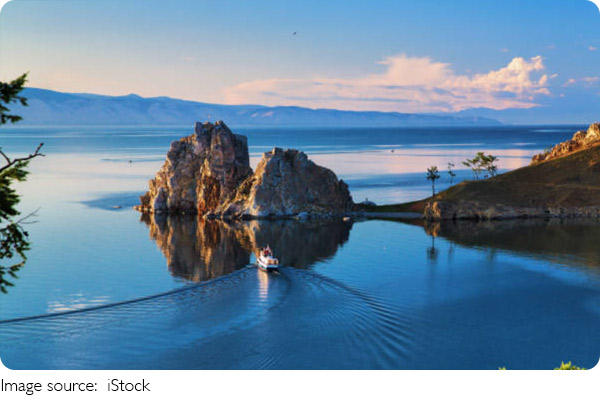
Cape Burkhan (Shamanka Rock) – The most iconic viewpoint. Visit at sunrise for pink light reflecting on the ice.
Bubble Ice Fields – Near the island's eastern shore, methane bubbles freeze into stacked white discs beneath the surface.
Ice Caves and Grottos – Formed by waves before freeze-up, these caves glow blue when sunlight enters.
Hire a local driver with a UAZ van (around $80–$150 per day shared among 3–6 people). They know safe routes and the best ice formations. Driving independently is not recommended unless you're experienced with frozen lake conditions.
Expect basic facilities. Electricity and heating can fluctuate. But that simplicity is part of the experience—less distraction, more immersion.
Costs to Plan For
A realistic 3-day winter trip to Baikal might look like this (excluding flights):
Accommodation (2 nights): $100–$150
Transportation Irkutsk–Olkhon round trip: $40–$60
One full-day ice tour: $80–$150
Meals: $10–$20 per meal
Total estimate: $250–$400 for three days on the lake.
Entrance to the national park zone may require a small permit fee (around $5–$10), often arranged through your guesthouse.
Cash is useful. Card payments are not always reliable in small villages.
What a Typical Day Looks Like
Morning begins quietly. Frost coats the windows. Breakfast might include porridge, bread, eggs, and hot tea.
By 10 a.m., your driver arrives. The vehicle rolls onto the ice road—marked routes maintained by local authorities once ice thickness reaches safe levels (often over 12 inches for light vehicles).
You stop frequently:
To photograph cracked ice patterns stretching for miles
To walk across smooth ice that feels like polished glass
To step into frozen caves glowing in shades of blue
Lunch may be simple and packed—sandwiches and hot tea carried in thermoses.
By late afternoon, the light softens. The temperature drops quickly after 4 p.m., so return to the village before dark. Evenings are quiet—reading, warming up, watching stars. With minimal light pollution, the sky feels enormous.
Safety and Practical Tips
The ice is thick during peak season, but safety isn't automatic.
Only travel on marked ice roads or with experienced drivers
Avoid walking near pressure ridges or dark cracks
Wear insulated waterproof boots—ice can be slippery
Cell service can be limited. Download offline maps before arrival.
Hydrate more than you think you need. Cold air is dry, and you won't notice dehydration until you feel tired or headachy.
Focus on Preparation, Layering, Local guidance. Those three habits make the difference between discomfort and awe.
Winter at Lake Baikal isn't about luxury. It's about standing on something ancient and realizing how small you are in the best possible way. The ice shifts and sings softly beneath the wind. The sky stretches wide. Time slows.
If you picture yourself there, boots on clear ice, breath turning to mist—what would it feel like to step onto something that looks fragile but holds you completely? Sometimes the most memorable journeys aren't the warmest ones. They're the ones that make you pause, look down, and trust the ground beneath your feet.