Bata’s Coastal Charm

Raghu Yadav
| 11-06-2026
 · Travel team
Bata, the largest city on the mainland of Equatorial Guinea, is often the first stop for travelers arriving by sea or air.
Its bustling streets, colonial-era architecture, and vibrant markets offer a window into daily life here, while the coastline provides opportunities for both relaxation and adventure.
Walking through Bata, you'll notice a blend of old-world structures and modern developments, giving the city a dynamic yet approachable feel.
Bata
Historic Streets and Architecture
Bata's city center is full of charming streets lined with pastel-colored buildings that date back to the early 20th century. Walking around, you'll spot colonial-era facades alongside more contemporary structures.
Start at the main boulevard, Avenida de la Marina, where broad sidewalks invite slow strolls. Observe the mix of shops, cafes, and small offices, which give insight into local life.
Visit Plaza de los Héroes, a lively square where locals gather for events and casual evenings. Take a seat on one of the benches to enjoy street performances or watch children play.
Tip: Arrive in the morning to experience the streets before they become crowded, and take a small guidebook or map to spot historically significant buildings.
Vibrant Markets and Local Flavors
Bata's markets are a sensory delight. Fresh produce, handmade crafts, and colorful textiles dominate the stalls, giving visitors a chance to see local life up close.
Mercado de Bata is the largest market in the city. Explore rows of stalls offering everything from tropical fruits to handcrafted jewelry. Engage with vendors to learn about the origin of goods—they often love sharing stories behind their products.
Sample local snacks such as plantain fritters or fresh fruit juices sold from roadside stands. These quick bites give insight into daily eating habits and are affordable, usually under $2 per serving.
Tip: Carry small bills to make transactions easier, and keep your belongings secure, as busy markets can get crowded.
Coastal Walks and Scenic Views
The Atlantic coastline near Bata provides a refreshing break from urban exploration. Whether it's a short walk or an extended stroll, the views are rewarding.
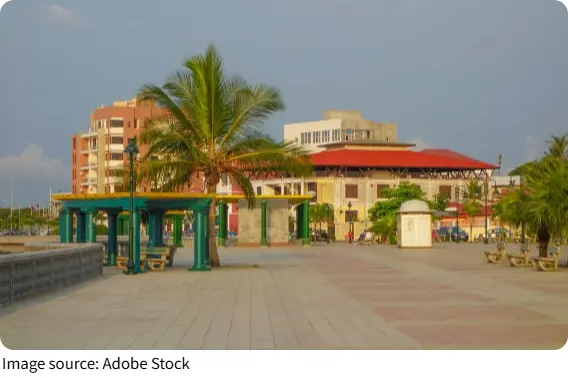
Start at the seafront promenade, where locals jog, fish, or relax on benches. Early morning or late afternoon offers the best lighting for photos.
Walk toward the nearby beaches, where calm waters are perfect for wading or simply sitting and enjoying the breeze. Bring water and sun protection, as shade can be limited.
Tip: Local vendors sell drinks and light snacks near the promenade, but carrying your own supplies ensures you stay comfortable during longer walks.
Cultural Experiences and Community Insights
Bata's cultural scene is subtle but rewarding. Observing everyday life provides a rich understanding of the city.
Attend a community event if your visit coincides with local celebrations. Music, dance, and street performances provide insight into traditions.
Visit small cultural centers or art galleries scattered around the city. These spaces showcase local talent and often provide background on Bata's history and modern development.
Tip: Engage politely with locals and ask questions about their crafts or practices—they appreciate genuine curiosity and respectful interest.
Practical Travel Tips
• Transportation: Bata is easy to explore on foot, but taxis are widely available for longer trips. Always confirm the fare before setting off.
• Best time to visit: Dry season, from June to September, is ideal for walking tours and coastal activities.
• Safety: Standard precautions apply; keep valuables discreet and be mindful of your surroundings in crowded areas.
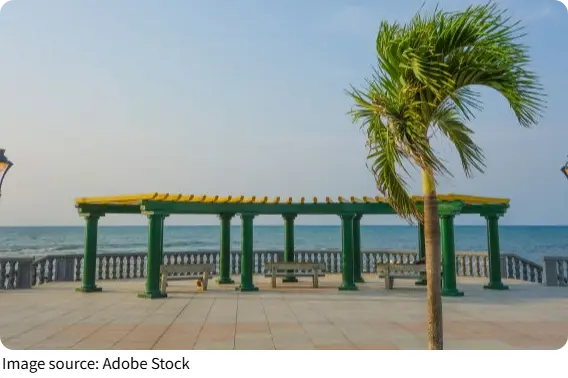
Bata is a city where the pulse of local life meets the tranquility of the sea. Its mix of history, markets, and coastline creates an experience that feels both immersive and approachable. By wandering the streets, sampling local flavors, and taking in the ocean views, you'll leave with a richer understanding of this often-overlooked destination.
Next time you plan a coastal city escape, consider walking Bata's streets—you might find more than just the scenery, but also the rhythms of everyday life that make it unique.