Rolling Hills of Tuscany

Sofia Alvarez
| 13-05-2026
 · Travel team
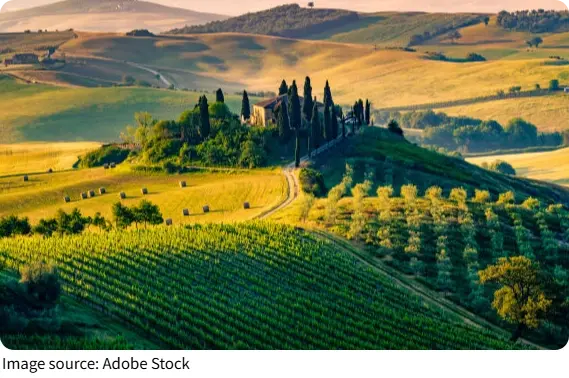
Tuscany greets you with golden sunlight stretching over rolling hills, winding roads lined with cypress trees, and farmhouses that seem straight out of a painting.
Walking through its countryside, it's easy to feel transported into a living postcard, but beyond the picture-perfect landscapes lies a wealth of experiences that demand a closer look.
Explore Hilltop Towns
Tuscany is famous for its charming hilltop towns, each with its own character.
San Gimignano – Often called the “Town of Towers,” this medieval gem features 14 surviving towers from a time when families competed to display their wealth. Tickets to the main historic building cost around $5–7 USD, and climbing the Torre Grossa for panoramic views is about $10 USD. Arrive before 10 a.m. to wander the narrow streets before buses of tourists arrive.
Volterra – Known for its ancient origins, Volterra offers a quieter alternative with alabaster workshops where you can watch artisans at work. Workshops sometimes allow visitors to try crafting their own small pieces for a modest fee of $10–15 USD.
Monteriggioni – This tiny walled town feels like stepping back in time. The circular walls can be walked for free, and small cafes inside the town serve fresh pastries for $3–5 USD, perfect for a mid-morning break.
Farm Visits and Tastings
Tuscany's countryside is dotted with family-run farms producing olive oil, cheeses, and seasonal fruits. Visiting a farm is not just about tasting; it's about understanding the care behind every product.
Olive Grove Estates – Many estates offer guided tours for around $20–30 USD per person, including tastings of 3–5 specialty oils and products. Ask the guide about pressing techniques and soil types—they often share stories that make the tasting unforgettable.
Artisan Cheese Farms – Some farms provide behind-the-scenes access to their production for an extra $15–20 USD, showing the aging process and letting visitors try shaping fresh cheeses themselves. Booking online in advance guarantees your spot, especially during peak season from May to September.
Food Pairings –Try pairing a freshly baked focaccia with a drizzle of high-quality olive oil or sampling local honey with soft cheeses. Many farms have small picnic areas where you can enjoy these pairings amid the fields and groves.
Cooking Experiences
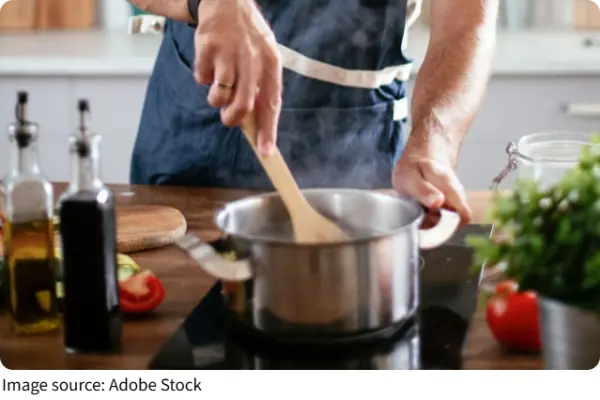
Tuscany's culinary culture is deeply tied to its land. Participating in a hands-on cooking class is a rewarding way to bring a taste of Tuscany home.
Tuscan Cooking Classes – Prices range from $50–100 USD for a half-day session, often including market visits to select fresh ingredients. Classes cover pasta making, sauces, and traditional desserts like cantucci cookies.
Market Tours – A guided morning market tour in Florence or Siena costs around $15–20 USD and provides insights into local produce, oils, and cheeses. This is where you learn the difference between fresh and aged pecorino or how to spot the ripest tomatoes.
Home-style Meals – Some agriturismos (farm stays) offer cooking lessons followed by a communal meal. This adds a cultural layer—you not only cook but also eat with local families, often in a rustic stone dining room with views over the fields.
Outdoor Activities
Beyond towns and food, Tuscany's countryside invites exploration.
Cycling Tours – Renting a bike for $15–25 USD per day lets you follow quiet country roads and discover small villages hidden between the hills. Early mornings are ideal to avoid heat and traffic.
Hiking Trails – The Val d'Orcia area offers scenic walks with well-marked trails. A hike from Pienza to Bagno Vignoni takes around 2–3 hours, passing fields of sunflowers in summer and olive groves in cooler months.
Hot Air Balloon Rides – For a unique perspective, some operators provide flights over the Tuscan hills at $200–250 USD per person. Booking in advance is essential, and flights usually start at sunrise for the best light and calm winds.
Local Tips
Transport – Renting a car is the most flexible option. Roads can be narrow, and GPS may occasionally misdirect, so having a physical map or offline directions helps. Parking in small towns is often limited; arrive early to secure spots.
Timing – Late spring (May–June) and early autumn (September–October) offer warm days, fewer crowds, and the harvest season, which brings festivals celebrating local foods and products.
Stay Options – Agriturismos provide immersive experiences and usually include breakfast made from local ingredients for $20–30 USD. Booking at least a month in advance during high season ensures availability.
Photography – Golden hour, roughly one hour after sunrise or before sunset, illuminates the rolling hills beautifully. Some towns like San Gimignano and Pienza have lookout points perfect for wide-angle shots.
Tuscany offers more than scenic views; it provides an intimate connection with history, food, and the rhythm of rural life. Walking through ancient cobbled streets, tasting oils and cheeses straight from the producer, and cycling through quiet hills leaves a deeper impression than any postcard ever could. Next time you plan a trip, consider slowing down—let yourself wander, taste, and linger. The real beauty is in the details you discover along the way.