Kaohsiung City Guide

Kwame Johnson
| 22-02-2026
 · Travel team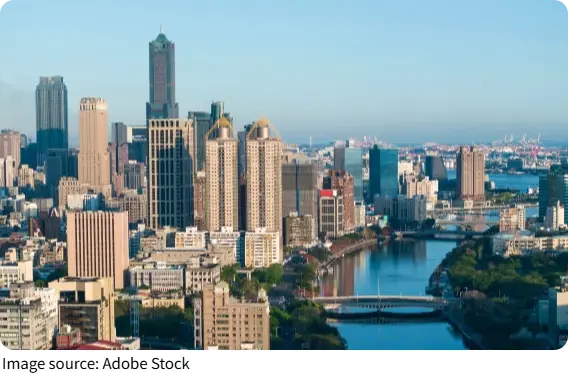
The air feels warmer the moment you step out of the station. Scooters hum past, palm trees sway lightly, and somewhere nearby the ocean breeze cuts through the afternoon heat.
Kaohsiung moves at a slower rhythm than many big cities, and that's exactly its charm. It's a place where harbors meet art districts, where temples sit beside modern light-rail tracks, and where sunsets feel like a daily event.
If you plan your time well, you can see the highlights without rushing. Here's how to experience Kaohsiung in a way that feels relaxed but still full.
Lotus Pond: Temples and Morning Light
Lotus Pond is one of Kaohsiung's most iconic areas. The lake is lined with colorful temples, pagodas, and walking paths. The most photographed structures are the Dragon and Tiger Pagodas, where visitors traditionally enter through the dragon's mouth and exit through the tiger's mouth for good fortune.
Admission: Free
Opening hours: Outdoor areas open all day; pagodas typically 8:00 a.m. to 5:30 p.m.
Best time to visit: Before 9:00 a.m.
Why go early? By mid-morning, tour buses arrive and walkways become crowded. Arriving early gives you cooler temperatures and soft light reflecting on the lake.
Actionable plan:
Take the Red Line MRT to Zuoying Station.
Transfer to a local bus or take a 10-minute taxi ride (around $4–6).
Walk clockwise around the pond to avoid walking directly into tour groups.
Bring water and wear a hat. Even in spring, the sun can be strong by 10 a.m.
Cijin Island: Easy Coastal Escape
From the harbor, a short ferry ride takes you to Cijin Island. The ferry costs about $1 each way and runs every 10–15 minutes from Gushan Ferry Pier.
Why it's worth your time:
A long black-sand beach perfect for evening walks.
Fresh seafood street stalls near the old street.
A lighthouse viewpoint with sweeping harbor views.
Best time: Late afternoon, around 4:30 p.m., so you can stay for sunset.
Step-by-step suggestion:
Take the Orange Line MRT to Sizihwan Station.
Walk 10 minutes to the ferry pier.
Rent a bicycle on the island for about $5 per hour.
Cycling along the coastal path gives you fresh sea air and open space away from city traffic. Plan at least three hours for a relaxed visit.
If you climb to the Cijin Lighthouse, wear comfortable shoes. The path is short but slightly steep.
Pier-2 Art Center: Creative Harbor Energy
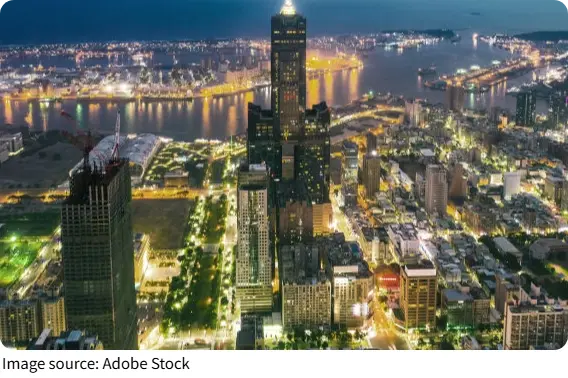
Pier-2 Art Center sits in converted warehouse buildings along the harbor. It's a mix of galleries, outdoor installations, cafés, and weekend markets.
Admission: Outdoor areas free; special exhibitions range from $5–$10.
Opening hours: Most galleries open 10:00 a.m. to 6:00 p.m. (closed Mondays).
Why it stands out:
Large-scale outdoor sculptures perfect for casual photos.
Local design shops selling handmade goods.
Light rail access that runs directly through the area.
Actionable tip: Take the Kaohsiung Light Rail (LRT) and get off at Pier-2 Dayi Station. The light rail ride itself offers scenic harbor views.
Visit in the late morning or early evening. Midday heat can be intense, and many outdoor spaces have limited shade.
Give yourself time to wander slowly. The charm of Pier-2 isn't in rushing through exhibitions but in noticing small details—murals, hidden courtyards, and pop-up stalls.
Fo Guang Shan: Grand Temple Complex
About 40 minutes from central Kaohsiung, Fo Guang Shan is one of the largest Buddhist temple complexes in the region. The site includes a massive seated Buddha statue and long walkways lined with smaller statues.
Admission: Free
Opening hours: 9:00 a.m. to 6:00 p.m.
Transportation: Taxi from downtown costs around $25–$35 one way; buses are available but take longer.
Best time: Weekday mornings for fewer visitors and cooler weather.
Plan your visit like this:
Arrive by 9:30 a.m.
Start at the main Buddha Memorial Center.
Walk the central path slowly to avoid midday heat.
Dress modestly: covered shoulders and knees are recommended.
The scale of the complex offers quiet reflection and architectural beauty. Allocate at least two to three hours.
Getting Around Kaohsiung
Kaohsiung's MRT system is easy to use, with clear English signage. A single ride usually costs between $1 and $2 depending on distance. You can purchase a rechargeable transit card at any station.
Why public transit works well:
Stations are clean and air-conditioned.
Key attractions connect directly to MRT or light rail.
Traffic can be heavy during rush hour.
If you're staying near Formosa Boulevard Station, you'll be at a central transfer point. Don't miss the Dome of Light inside the station—it's free and open during MRT hours.
Taxis are affordable compared to many major cities. Short rides within central districts often cost under $10.
When to Visit
Kaohsiung has a tropical climate. Winters (December to February) are mild and comfortable, with temperatures around 65–75°F. Summers can exceed 90°F with high humidity.
The most comfortable months are November through March. Rain is more frequent from June to August.
If you're visiting in summer:
Plan outdoor activities before 10 a.m. or after 4 p.m.
Carry water and sun protection.
Use indoor attractions during peak heat hours.
Kaohsiung isn't a city that demands a packed schedule. It rewards slow movement—morning walks by the lake, ferry rides across the harbor, quiet temple corridors before the crowds arrive.
When you look back on your trip, it might not be one single landmark you remember most. It could be the soft orange sky over Cijin, the breeze along Pier-2, or the quiet moment standing by Lotus Pond. Sometimes the best way to experience a city is simply to give it room to breathe—and let yourself do the same.