Victoria Harbour Guide
Chandan Singh
| 22-02-2026
 · Travel team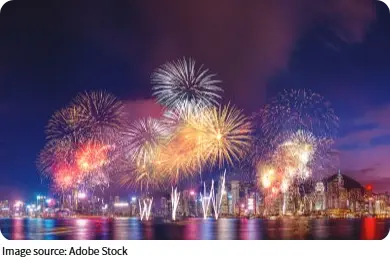
You're standing by the water as the sky shifts from pale blue to deep orange.
Skyscrapers flicker on one by one, their reflections stretching across the harbor. Boats glide past, and a soft breeze cuts through the city heat. In that moment, Victoria Harbour feels larger than the city itself.
The famous Victoria Harbour sits between Kowloon and the island's central business district. It's not just a body of water—it's the visual heartbeat of the skyline. But here's the key: the harbor experience changes dramatically depending on when and how you visit.
If you want it to feel magical instead of crowded and chaotic, you need a simple strategy.
Choose the Right Time of Day
Most visitors show up after dinner, between 7:30 and 9:00 p.m. That's when the waterfront promenades fill up. If you don't enjoy tight crowds and tripods blocking the walkway, adjust your timing.
Best time options:
Early morning (7:00–9:00 a.m.)
The air feels clearer, and you'll see joggers and locals instead of tour groups. The skyline looks softer in daylight, and it's easier to take photos without waiting for space.
Late afternoon (5:30–6:30 p.m.)
Arrive before sunset. Watch the transition from daylight to city lights. This gives you both moods in one visit.
Weeknights instead of weekends
Fridays and Saturdays are significantly busier.
Temperatures from October to December are the most comfortable—usually between 68–77°F (20–25°C). Summer can feel humid and intense, especially mid-afternoon.
Take the Ferry—It's Worth It
Standing still on the promenade is one experience. Moving across the water is another.
The Star Ferry has been operating for over a century. It's affordable and surprisingly relaxing.
One-way fare: about $0.40–$0.70 USD depending on route and day
Frequency: every 6–10 minutes
Operating hours: roughly 6:30 a.m. to 11:30 p.m.
Sit on the upper deck if possible. The slight elevation gives you cleaner views of both shorelines.
Actionable tip:
Board about 20 minutes before sunset.
Stay on deck for the full crossing (around 8–10 minutes).
Cross back immediately for a second angle.
For less than $2 USD total, you'll get some of the best skyline perspectives available.
Where to Stand for the Best Views
Location matters.
On the Kowloon side, the Tsim Sha Tsui Promenade offers wide, unobstructed views. There's plenty of railing space, and the skyline directly faces you.
If you prefer a slightly elevated angle, walk toward the Avenue of Stars area. Arrive by 6:00 p.m. if you want a comfortable viewing spot for sunset.
On the island side, Central Pier provides a closer look at the water traffic—ferries, cargo vessels, and private boats moving through the channel.
Avoid standing directly under bright streetlights if you're photographing at night. They can create glare on your lens.
Understanding the Night Light Show
Each evening around 8:00 p.m., buildings on both sides participate in a synchronized light display. It lasts about 10–15 minutes.
There's no ticket required—it's free.
However:
Arrive by 7:30 p.m. if you want front-row space.
Bring patience; it gets crowded.
If it's your first visit, watch it once. If you prefer a calmer mood, skip it and enjoy the skyline without the noise.
Sometimes, the harbor feels more peaceful after the show ends. By 8:30 p.m., some visitors start leaving.
Simple Comfort Tips
The harbor walk looks easy on maps, but the distance adds up.
Wear comfortable shoes. You may walk 2–3 miles without noticing.
Carry water, especially in warmer months.
Bring a light jacket in winter evenings—winds across the water can feel stronger than expected.
Public restrooms are available near ferry terminals and along major promenades. Cafés are easy to find within a few minutes' walk inland.
Make It Personal
It's tempting to rush from one photo spot to another. Instead, choose one section of the harbor and stay there longer than you planned.
Try this simple plan:
Walk 10 minutes along the promenade.
Stop and sit for 15 minutes.
Watch how the skyline shifts as clouds move and boats pass.
Cross the harbor by ferry.
Repeat on the other side.
This rhythm creates More calm, Clearer focus, Better photos.
The harbor isn't about checking off attractions. It's about contrast—steel towers against open water, constant motion against still reflections.
As the evening deepens, lights shimmer across the surface like scattered glass. Conversations blend into the background. Ferries continue their steady crossings, just as they have for decades.
Before you leave, take one last look across the water. Notice how the skyline feels different now than it did when you first arrived. A little less overwhelming. A little more familiar.
When you return home and think of this city, chances are it won't be a shopping street or a restaurant that comes to mind first. It'll be this stretch of water—quiet for a second between ferry horns—holding the entire skyline in reflection.