Simple Egg Rice Bowl

Yuna
| 26-02-2026
 · Cate team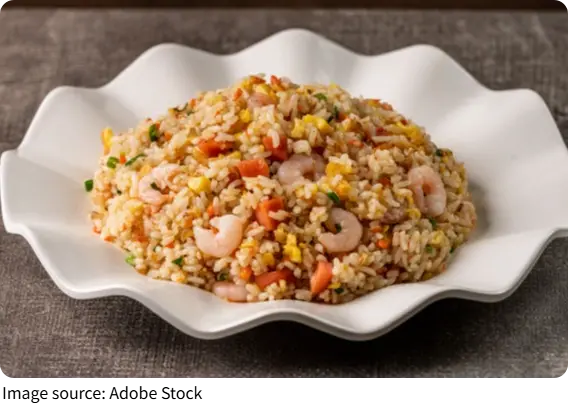
There are days when the fridge looks nearly empty, yet somehow you're still hungry.
A few eggs, leftover rice, maybe a green onion tucked in the corner—that's all it takes to turn things around.
Egg rice is one of those dependable meals that feels comforting, filling, and surprisingly flavorful without requiring special skills.
Done right, it's fluffy, fragrant, and far better than a rushed takeout box.
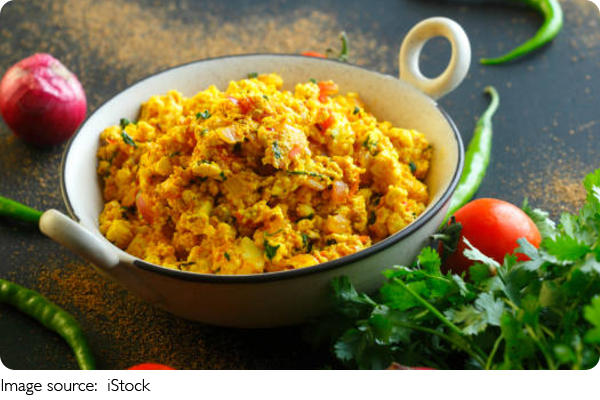
1. Ingredients You'll Need
Basic staples
Balanced flavor
Quick prep
Ingredients (serves 2):
2 cups cooked rice (preferably day-old and chilled)
3 large eggs
2 tablespoons cooking oil
2 green onions, finely sliced
1–2 tablespoons light soy sauce
1/4 teaspoon salt (adjust to taste)
1/4 teaspoon white pepper (optional)
Day-old rice works best because it's slightly dry. Freshly cooked rice can be too moist, leading to clumps instead of separate grains. If you only have fresh rice, spread it on a tray and let it cool for 20–30 minutes before cooking.
Actionable tip:
Before turning on the stove, use clean hands to gently break apart any rice clumps in the bowl. This small step ensures even heating and prevents sticky patches in the pan.
2. Step-by-Step Cooking Method
Separate grains
Soft scrambled texture
Even seasoning
Steps:
Heat 1 tablespoon of oil in a large skillet or wok over medium heat.
Break the eggs directly into the pan. Let them sit for 5–10 seconds before stirring.
Gently scramble until they are about 80% cooked—soft but not dry. Remove and set aside.
Add the remaining tablespoon of oil to the pan.
Add the rice and spread it evenly. Stir-fry for 2–3 minutes, pressing lightly to separate grains.
Return the eggs to the pan and mix thoroughly with the rice.
Add soy sauce along the edges of the pan rather than directly onto the rice. This allows it to heat slightly before mixing, enhancing aroma.
Sprinkle salt and white pepper. Toss well for another 1–2 minutes.
Turn off heat and stir in sliced green onions.
Cooking eggs separately keeps them tender. If you scramble them together with the rice from the start, they can turn dry and rubbery.
Actionable tip:
If your rice starts sticking, reduce heat slightly and add 1 teaspoon of oil around the edge of the pan instead of pouring it directly in the center.
3. Texture and Flavor Upgrades
Extra aroma
Better contrast
More depth
Once you master the basic version, you can add simple ingredients to elevate it.
Add 1/4 cup finely diced carrots or peas for color and light sweetness.
Stir in 1 teaspoon sesame oil at the end for fragrance.
Mix in a handful of spinach during the last minute of cooking for added greens.
Keep additions moderate. The goal is to support the egg and rice, not overwhelm them.
Actionable tip:
If using vegetables, sauté them for 1–2 minutes before adding rice. This ensures they cook properly without releasing too much moisture into the dish.
4. Getting the Right Pan Heat
High but controlled
No steaming
Quick tossing
Heat management makes a big difference. Too low, and the rice steams. Too high, and it burns.
Preheat the pan for at least 30 seconds before adding oil.
Once oil shimmers slightly, add ingredients immediately.
Keep ingredients moving with a spatula to prevent scorching.
You'll hear a gentle sizzling sound—that's good. Loud popping or oil giving off visible fumes means the heat is too high.
Actionable tip:
If you're unsure about heat, test with a few grains of rice first. If they sizzle softly and don't brown instantly, the temperature is right.
5. Serving and Storage
Best served hot
Easy leftovers
Flexible portions
Serve egg rice immediately while the eggs are soft and the grains are fluffy. A simple side of sliced cucumber or steamed greens balances the meal nicely.
If you have leftovers:
Let the rice cool completely before storing.
Place in an airtight container.
Refrigerate and consume within 24 hours for best texture and safety.
Reheat in a pan with 1 teaspoon oil to restore moisture and flavor.
Avoid reheating multiple times, as rice texture declines quickly.
Actionable tip:
For meal prep, divide freshly cooked rice into single-serving containers. This allows quick reheating without exposing the entire batch repeatedly.
Egg rice proves that good food doesn't need complicated ingredients or long cooking times. It's about technique—separating grains, controlling heat, and seasoning carefully. Once you understand those basics, you can adjust flavors to suit your taste without losing the heart of the dish.
Some of the most reliable meals come from the simplest combinations. A bowl of warm egg rice, made in one pan with everyday ingredients, can turn an ordinary evening into something quietly satisfying. Sometimes that's all you really need.