Off-Road Motorcycling

Arjun Mehta
| 01-03-2026
 · Automobile team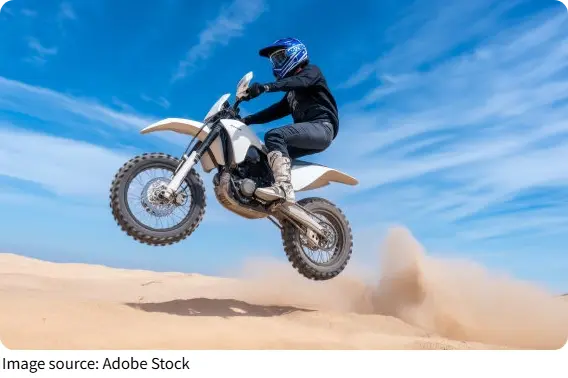
The moment you roll onto a dirt path, the world changes.
The roar of the engine mixes with the crunch of gravel under tires, and every turn tests your focus and skill.
Off-road motorcycling is more than just a ride—it's an adventure that pushes both your bike and yourself to the limit. But excelling in this sport isn't about sheer speed; it's about understanding terrain, balance, and control.
Choosing the Right Bike
Match the bike to your terrain
Consider suspension travel
Check weight and maneuverability
Different trails demand different machines. Lightweight bikes are easier to handle in tight woods, while models with long suspension travel are better suited for rocky or uneven paths. Tire type also matters—knobby tires provide grip in mud, while dual-sport tires balance road and trail performance.
Actionable example: Test ride a few models on the type of terrain you plan to ride most. Even a small difference in handling can make a huge impact on confidence and safety.
Mastering Riding Techniques
Body positioning for control
Throttle and brake management
Cornering and obstacle navigation
Off-road riding demands that your body becomes part of the bike. Standing on footpegs over rough sections helps absorb shocks, while leaning correctly in corners maintains balance. Smooth throttle control prevents wheel spin in mud or loose gravel, and feathering the brakes can help maintain traction.
Tip: Practice slow-speed maneuvers in an open field to develop instinctive balance. Controlling the bike at 5–10 mph often translates to better stability at higher speeds on trails.
Understanding Terrain Challenges
Mud, sand, and loose gravel
Rocks, roots, and uneven surfaces
Steep climbs and descents
Every trail has its obstacles. Mud can cause wheel slip, sand may swallow tires, and rocks can deflect your path. Knowing how to approach these challenges—like keeping momentum on a climb or using body weight to shift balance—reduces the risk of crashes and enhances efficiency.
Example: When climbing a rocky incline, maintain a steady throttle and shift weight forward to keep the front wheel grounded. This small adjustment can prevent stalling or losing traction.
Safety Gear Essentials
Helmet, gloves, and boots
Protective jacket and pants
Knee and elbow guards
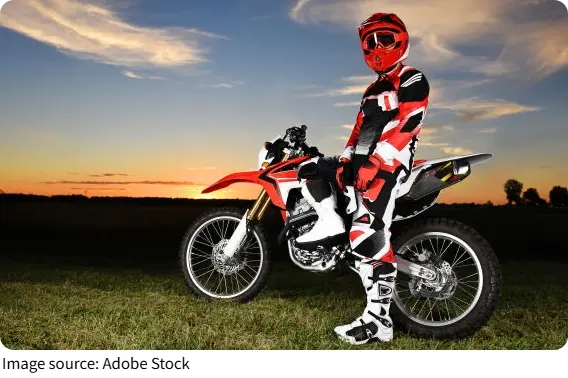
Protective equipment isn't optional. A full-face helmet with a visor shields against branches and dust, while gloves improve grip and reduce blisters. Boots provide ankle support, and reinforced clothing reduces the impact of falls. Riding without proper gear increases the risk of serious injury, even on seemingly easy trails.
Tip: Invest in a hydration pack. Off-road rides can be physically demanding, and staying hydrated prevents fatigue and improves reaction time.
Maintenance for Trail-Ready Performance
Regular chain lubrication
Suspension and tire checks
Engine and brake inspections
Off-road conditions are harsh on motorcycles. Dirt, mud, and water can accelerate wear on chains, brakes, and suspension components. Performing regular maintenance ensures reliability and extends the life of your bike. Quick inspections before and after rides prevent small issues from becoming major problems.
Example: After a muddy ride, rinse the bike carefully to remove debris, then dry and lubricate the chain. This simple routine prevents rust and ensures smooth performance for your next ride.
Off-road motorcycling is a blend of skill, preparation, and thrill. From selecting the right bike to mastering terrain and safety, every element contributes to a better, more confident ride. Whether exploring forest trails or tackling rugged hills, approaching each ride with care and technique ensures that every adventure is not just exciting, but safe and rewarding.