Tuscany Travel Tips

Mason O'Donnell
| 28-02-2026
 · Travel team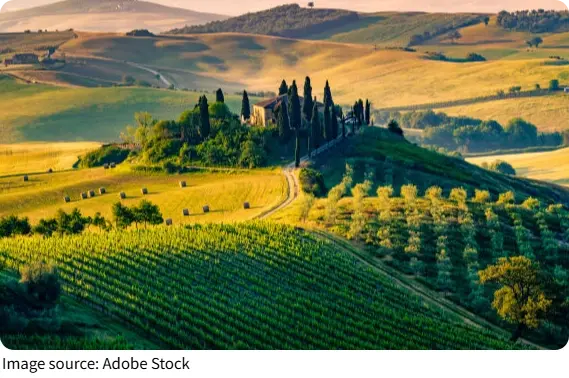
The warm glow of the sun hits rolling hills dotted with olive trees, and the faint scent of fresh herbs drifts through the air.
You pause, realizing that Tuscany isn't just a destination—it's an experience that engages every sense.
From winding cobblestone streets to serene vineyards and medieval towns, this region offers a mix of history, scenery, and flavors that linger long after you leave. Planning a trip here can feel overwhelming, but a few practical insights can turn it into a smooth, memorable adventure.
1. Explore Hilltop Towns Beyond Florence
Florence often steals the spotlight, but the smaller hilltop towns are where Tuscany truly shows its charm.
San Gimignano: Famous for its medieval towers, this town also has narrow streets lined with artisan shops. Entry to the historic center is free, but the Tower of Grossi costs around $10 USD, providing panoramic views of the Tuscan countryside. Arrive by 8 a.m. to avoid the midday crowds, and sip a gelato while walking the quiet alleys.
Siena: Known for its Piazza del Campo, a shell-shaped square, Siena also offers the Siena Cathedral. Tickets range from $15–$20 USD, including access to the Piccolomini Library and the rooftop. For a less touristy experience, explore the neighborhoods outside the main square and stop by small bakeries selling cantucci biscuits.
Actionable tip: Rent a small car for these day trips if you’re comfortable driving. Narrow streets and scenic overlooks are easier to manage on your own schedule than relying only on buses.
2. Drive the Scenic Routes
Tuscany's charm often lies in its landscapes, and driving through the region offers unrivaled views.
SR222, the Countryside Road: This Florence-to-Siena scenic route is often described as about 69 km and winds between farms, olive groves, and small villages. The towns along the way—like Greve and Castellina—have excellent cafes and artisan shops. Stop earlier in the day for softer light and quieter roads.
Val d'Orcia: Known for its rolling hills and iconic cypress-lined roads, this area includes Pienza and Montalcino. Both towns are excellent for wandering. Parking is usually $2–$3 USD per hour in small lots near the main square.
Actionable tip: Keep a paper map or offline GPS handy. Some rural roads have patchy mobile coverage, and a wrong turn can lead to unexpectedly long detours—but those detours often reveal hidden vistas.
3. Enjoy Regional Food Without the Crowds
Tuscan cuisine is simple yet incredibly flavorful. Fresh pasta, local cheeses, and seasonal vegetables are everywhere—but knowing where to go can make a big difference.
Trattorias: Seek out family-run restaurants in small towns rather than touristy Florence streets. A plate of pici pasta with garlic and olive oil often costs $12–$15 USD, while a slice of pecorino cheese can be $3 USD.
Markets: Weekly local markets in towns like Montepulciano offer fresh produce, cured olives, and baked goods. Arriving early ensures the best selection.
Actionable tip: Try cooking a simple Tuscan dish at your accommodation. Many rental homes provide kitchen access, and buying ingredients from local markets gives you a more intimate taste of the region.
4. Visit Art and History With Strategy
Tuscany is rich in Renaissance art, medieval architecture, and historic landmarks. Planning is key to fully enjoying these treasures.
Uffizi Gallery: Florence's most famous museum requires tickets around $25 USD. Booking in advance avoids lines that can last over an hour. Early morning visits provide softer lighting and a quieter experience.
Pienza Cathedral: This small cathedral is free to enter but has incredible frescoes. Visiting in the late afternoon captures warm light that enhances photography.
Actionable tip: Check museum websites for combined tickets. Many towns offer passes covering multiple sites for $20–$30 USD, which is a cost-effective way to explore without buying individual tickets each time.
5. Where to Stay
Pick a base that fits your rhythm: Florence or Siena if you want easy walking, museums, and lively evenings, or a small town/countryside stay if you’re planning scenic drives and quieter mornings. Costs vary a lot by season, but a useful planning benchmark is that hotel trackers estimate the average double room in Tuscany at about $344 USD per night.
6. Time Your Visit Carefully
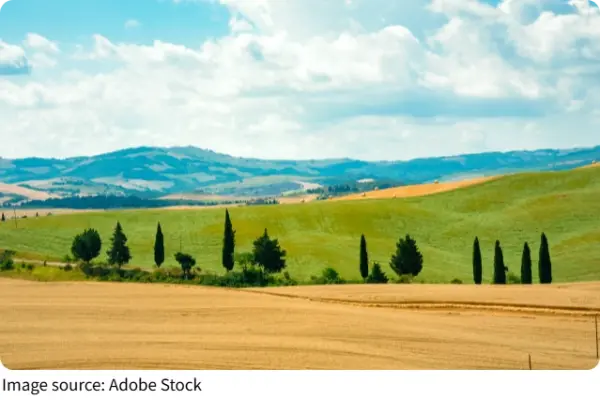
Tuscany's appeal changes with the seasons. Spring and early autumn are ideal: the weather is mild, fields are vibrant, and popular sites are less crowded. Summer can be sweltering in cities like Florence, and winter offers quiet streets but shorter daylight hours.
Actionable tip: Schedule outdoor excursions like hot-air balloon rides or countryside walks in the morning when temperatures are cooler. Late afternoons are perfect for photography, capturing the golden hour over Tuscan hills.
Every step in Tuscany feels intentional—whether you're sipping coffee in a quiet piazza, driving through sun-drenched valleys, or wandering a medieval street with an ice cream in hand. The key is to pace yourself, explore beyond the main cities, and let the region reveal its rhythm naturally. Next time you plan a getaway, consider giving yourself the freedom to wander, to stop for a photo, a snack, or simply to breathe in the Tuscan landscape. Those unplanned moments often become the most memorable stories of your trip.