El Chaltén Trekking Guide

Raghu Yadav
| 28-02-2026
 · Travel team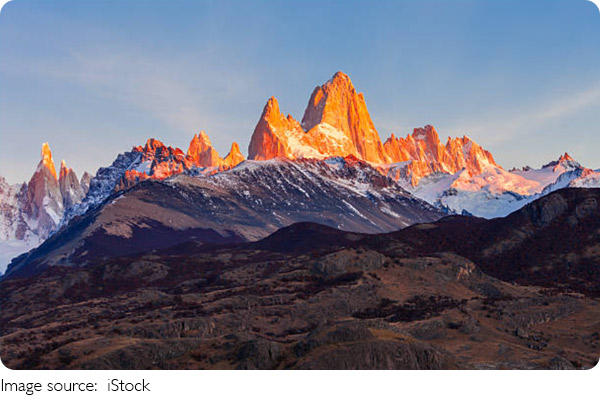
A crisp breeze sweeps through the towering peaks, carrying the scent of pine and snowmelt. Standing in El Chaltén, you notice hikers tracing trails along jagged ridges, waterfalls cascading into crystal-clear streams, and a sense of solitude that makes the whole landscape feel almost personal.
This small village, tucked into Patagonia's northern edge, isn't just a starting point for adventures—it's a gateway to some of the world's most stunning treks. Planning carefully ensures that each trail, viewpoint, and mountain vista leaves a lasting impression.
Getting There and Timing Your Visit
El Chaltén is accessible yet remote, so preparation is key.
Transport options: Most visitors fly into El Calafate (FTE), roughly a 3-hour drive from El Chaltén. Shuttle services cost about $35–$50 USD per person one-way. Renting a car allows flexibility to explore side trails or early morning viewpoints without relying on shared transport.
Best time to visit: The summer months, December to March, offer longer daylight hours and milder temperatures, ideal for trekking. Winter months, June to August, can bring snow, limiting access to some trails but providing a quieter experience with dramatic landscapes.
Example in practice: Arriving at 7 a.m. in summer means you can start the Laguna de los Tres hike before the midday crowds and enjoy the view of Mount Fitz Roy in soft morning light.
Actionable tip: Check local weather forecasts daily—Patagonia weather can change rapidly, and knowing when to start a hike is essential for safety.
Top Trails and Viewpoints
El Chaltén is known for its hiking, with options suitable for all levels.
Laguna Capri: A 2 to 4-hour round-trip hike offers panoramic views of Fitz Roy and a quiet alpine lake. It's perfect for a half-day excursion and photography.
Laguna de los Tres: This is the iconic trek to see Fitz Roy up close. It's a 20 km round-trip with moderate difficulty. Expect 6–8 hours of hiking. Bring water, snacks, and a light jacket—the winds near the summit can be strong.
Laguna Torre: About 18 km round-trip, this trail offers views of Cerro Torre and a stunning glacial lake at the end. Early morning departures reward hikers with calm waters that reflect the mountains beautifully.
Example in practice: Start Laguna de los Tres at 6 a.m., pack a small lunch, and plan a 30-minute rest at the viewpoint before descending. This ensures you avoid heavy crowds and can take photographs without interruption.
Actionable tip: Use trekking poles for stability on uneven terrain, and wear layered clothing—mornings are chilly, afternoons can warm up quickly.
Local Services and Accommodations
Though small, El Chaltén has practical amenities for visitors.
Accommodations: Options range from hostels at $20–$30 USD per night to lodges at $80–$120 USD per night. Booking in advance during peak season ensures you secure the location and amenities you want.
Guided tours: Local agencies offer guided hikes, glacier walks, and photography tours. Prices vary: half-day hikes are $50–$70 USD, full-day excursions around $100 USD. Guides enhance safety and provide insider knowledge about flora, fauna, and local history.
Food and supplies: Small supermarkets and bakeries offer snacks and packed lunches for $5–$10 USD. Local restaurants serve hearty Patagonian meals averaging $12–$20 USD per dish.
Actionable tip: Pick up trail maps and a small first-aid kit from the tourist office before starting longer hikes—they provide the latest trail conditions and safety advice.
Photography and Nature Observation
El Chaltén's landscapes are dynamic, offering opportunities for both wildlife spotting and photography.
Lighting: Golden hours—shortly after sunrise and before sunset—highlight jagged peaks and cast long shadows across lakes. Cloudy days can emphasize the mountains' dramatic scale with muted tones.
Composition tips: Include foreground elements like rocks, streams, or wildflowers to add depth. Wide-angle lenses capture vast mountain panoramas, while zoom lenses bring distant peaks closer.
Wildlife: Keep an eye out for guanacos, Andean condors, and foxes. Observing from a distance ensures safety for both you and the animals.
Actionable tip: Carry a lightweight tripod and a lens cloth; Patagonia's winds can shake cameras and mist from waterfalls can blur lenses.
Practical Hiking Advice
Planning your days carefully improves both safety and enjoyment.
Timing and pacing: Start early to avoid afternoon winds and crowds. Even moderate trails can take longer than expected, so give yourself extra time.
Packing essentials: Backpack with water (at least 2 liters per person), snacks, rain jacket, layered clothing, sunscreen, and a hat.
Navigation: Most trails are well-marked, but downloading offline maps or using GPS apps adds security, especially on longer routes.
Actionable tip: Tell someone your planned route and expected return time, especially for longer treks, to ensure safety in case of sudden weather changes.
El Chaltén is more than a trekking hub—it's a place where each step brings a new perspective on Patagonia's wild beauty. From the quiet lakes to the jagged peaks, every trail tells a story of nature's scale and resilience. With careful planning, an early start, and attention to trail conditions, your visit transforms from a simple hike into a deeply immersive adventure. Next time you crave a mix of challenge, serenity, and awe-inspiring views, consider stepping into the trails of El Chaltén and letting Patagonia unfold around you.