Fruit vs. Pills: Who Wins?

Caleb Ryan
| 28-02-2026
 · Cate team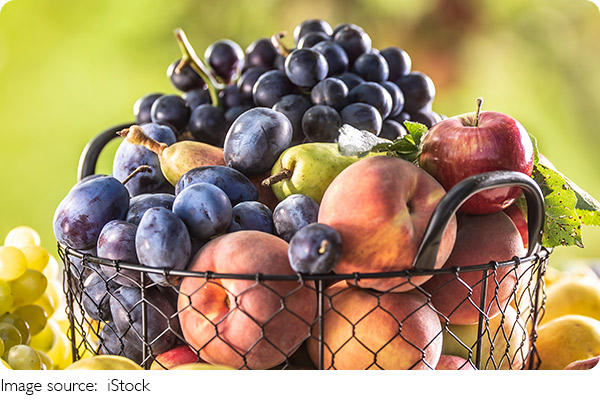
Imagine biting into a blueberry so potent, its antioxidants could rival a capsule—or an avocado so creamy, it heals your heart.
Fruits aren’t just snacks; they’re bioactive powerhouses engineered by nature. Let’s dissect the top 10, backed by science, and learn how to harness their full potential.
Blueberry Brilliance
A daily handful of wild blueberries (⅓ cup) slashes type 2 diabetes risk by 26%, per a *Journal of Nutrition* study. Their secret? Anthocyanins—pigments that cross the blood-brain barrier, shielding neurons. Pro tip: Freeze them to triple antioxidant bioavailability. Pair with Greek yogurt for a 40% protein boost.
Dr. Andrew Weil suggested that Wild blueberries are nutrient-rich, supporting metabolic health and offering brain protection due to their antioxidants. They’re a tasty way to enhance overall well-being.
Cherry’s Anti-Inflammatory Punch
Tart Montmorency cherries pack 19mg of melatonin per cup—ideal for insomniacs. Athletes guzzle cherry juice post-marathon; a 2022 trial found it cuts muscle soreness by 30%. For gout sufferers, daily cherries lower uric acid levels as effectively as some meds.
Pomegranate’s Cellular Shield
One cup of pomegranate arils delivers 7g fiber and 28mg vitamin C. Its punicalagins (unique antioxidants) boost nitric oxide by 50%, enhancing blood flow. Studies show daily consumption improves erectile function as effectively in mild cases.
Raspberry’s Gut Revolution
With 9.75g fiber per cup, raspberries feed Akkermansia muciniphila—a gut bacterium linked to leanness. Their ellagic acid blocks Helicobacter pylori, the ulcer-causing bacteria. Blend into chia pudding for a 12g protein breakfast.
Avocado’s Paradox
Half an avocado (160 cals) provides 20% of your folate needs—critical for DNA repair. Its oleic acid (a monounsaturated ) reduces LDL cholesterol by 22% in 6 weeks. Spread on rye toast; the fiber-combo stabilizes blood sugar for 4+ hours.
Orange’s Immunity Arsenal
One navel orange (92% vitamin C DV) contains 60+ flavonoids that amplify white blood cell efficiency. Peel zest into salads; the d-limonene in rind slashes skin cancer risk by 34% in UV-exposed individuals.
Apple’s Cardiac Code
An apple a day? Science agrees. Quercetin in peels lowers systolic BP by 3.7mmHg. Opt for Honeycrisp; they have 2x the polyphenols of Red Delicious. Pair with almond butter to slow glucose spikes.
Grapefruit’s Bitter Edge
Naringin, the compound behind grapefruit’s bite, inhibits CYP3A4 enzymes—slowing estrogen breakdown. Caution: It alters 85+ medications. For safe benefits, add segments to spinach salads; the vitamin C boosts iron absorption 3-fold.
Peach’s Skin Secret
Never peel a peach; its fuzz holds 27x more chlorogenic acid than flesh—a compound that blocks AGEs (aging sugars). Grill halves with balsamic glaze; heat increases beta-carotene availability by 40%.
Blackberry’s Vascular TLC
Blackberries boast 5.3g fiber and 30mg vitamin C per cup. Their cyanidin-3-glucoside relaxes arteries, improving endothelial function by 48% in hypertensive patients. Fold into oatmeal with cinnamon for a 15g protein, heart-smart meal.
Conclusion
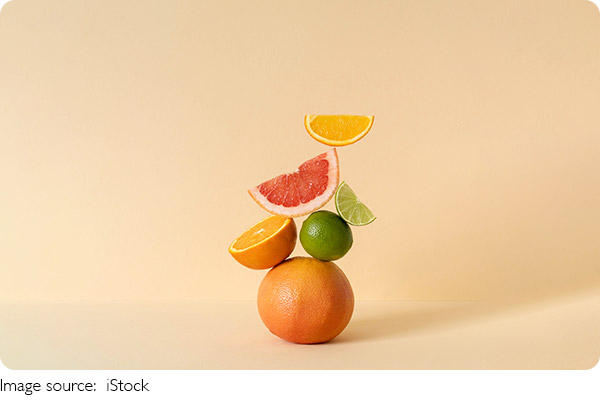
Fruits are nature’s original functional foods—engineered to prevent, heal, and energize. From blueberries guarding neurons to avocados mending hearts, each bite is a prescription-free remedy. Stock your fridge like a pharmacy; your body will cash the dividends.