Maroon Lake Magic

Arvind Singh
| 28-02-2026
 · Travel team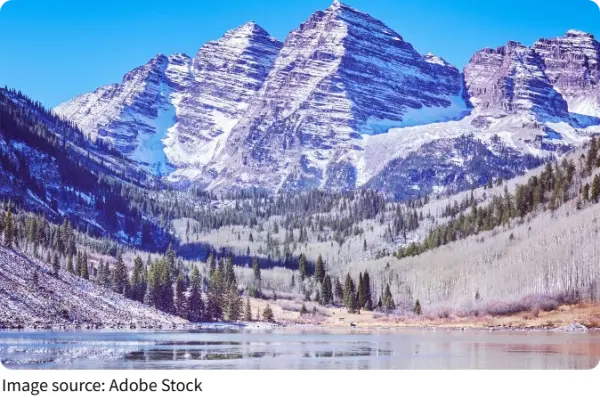
A crisp breeze slid across the mountain ridges, carrying the faint scent of pine and stone. I paused at the edge of Maroon Lake, watching the sunlight strike the peaks behind it.
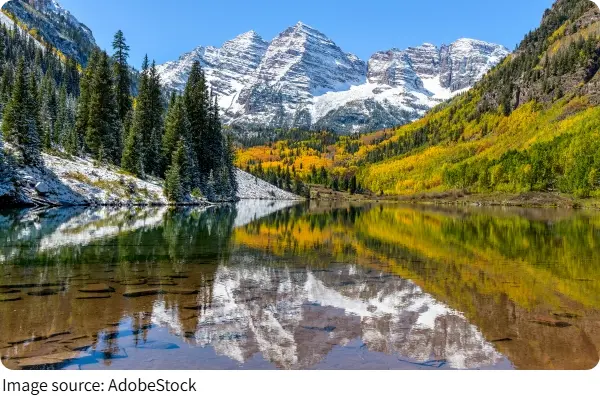
The reflection was so precise it felt like a mirror, yet the reds and oranges in the water shimmered with a life of their own.
It's not just a lake—it's an invitation to slow down, notice subtle shifts in light, and feel the rhythm of the high country in every step.
Getting There and Access
Maroon Lake sits in the Maroon Bells–Snowmass Wilderness, and reaching it requires some planning.
• Driving – Private vehicles can reach the Maroon Lake Scenic Area during certain months (usually mid-June through early October). Outside that period, access is restricted due to snow or conservation efforts. Parking is limited; early arrival is crucial. Expect $10–$15 USD for day parking.
• Shuttle buses – From Aspen, the shuttle system runs from late spring to early fall, with round-trip fares around $15 USD. This reduces parking stress and minimizes traffic congestion at the lake.
• Hiking approach – For those who enjoy walking, trailheads begin near the parking lots or shuttle drop-offs. Trails are well-marked, with distances ranging from 1–5 miles depending on how far into the basin you venture.
Pro tip: Check shuttle times in advance and allow at least 30 extra minutes for lines during peak season.
The Lake and Its Surroundings
Maroon Lake is famous for its vibrant maroon-colored peaks that cast reflections on the still water. The dramatic backdrop of Maroon Peak and North Maroon Peak creates a striking contrast against the alpine meadows.
• Lakeshore trail – A flat, accessible trail circles the lake, ideal for families or those preferring a relaxed walk. Benches along the path offer quiet spots for observation.
• Reflection photography – Early morning or late afternoon gives the best light for capturing mirrored images of the peaks. Overcast days add mood, while clear skies amplify color intensity.
• Wildlife spotting – Squirrels, marmots, and occasionally deer inhabit the area. Keep a respectful distance and bring binoculars for better views.
Actionable tip: Bring a lightweight tripod for sunrise shots; even a smartphone can capture stunning reflections with a steady base.
Best Time to Visit
Timing determines both access and experience quality.
1. Morning – Arrive at sunrise for soft light and fewer visitors. The lake's surface is usually calm, creating perfect reflections.
2. Late afternoon – Evening light turns peaks golden, and shadows add texture to the surrounding meadows.
3. Fall season – Mid-September offers autumnal colors in surrounding aspen groves, enhancing the scenic contrast with the peaks.
Actionable example: For a classic reflection shot, aim to reach the lakeshore by 6:30 a.m. during summer months.
Nearby Trails and Activities
Maroon Lake is the starting point for multiple hikes and alpine experiences.
• Maroon Bells Scenic Trail – A gentle 1.5-mile round trip from the lakeshore leads closer to the base of the peaks. This trail is well-maintained and offers panoramic viewpoints.
• Crater Lake Hike – For experienced hikers, a 3.5-mile round trip brings you to Crater Lake, with views of glacial formations. Plan for 3–4 hours round trip.
• Picnic spots – Meadows along the lake are perfect for a mid-morning snack. Bring a blanket and enjoy the view with minimal disturbance to wildlife.
Tip: Carry snacks and water, as there are no stores directly at the lake.
Photography and Observation Tips
The lake's visual appeal requires a little planning to maximize your experience.
• Framing – Include foreground elements like logs, rocks, or wildflowers for depth.
• Light conditions – Cloudy mornings diffuse harsh sunlight and enhance color saturation.
• Wildlife shots – Use a zoom lens to capture animals without disturbing them.
Actionable example: A 10–15 minute patience wait at the lakeshore often yields birds landing on the water, adding dynamic subjects to reflections.
Practical Advice
The alpine environment can be unpredictable, so preparation ensures comfort and safety.
• Footwear – Hiking shoes or sturdy boots are recommended for trails beyond the lakeshore.
• Clothing – Layers are essential; mornings can be chilly even in summer, while midday warms quickly.
• Sun protection – High elevation increases sun exposure. Sunscreen, hats, and sunglasses are necessary.
• Hydration – Carry water for longer hikes, especially during warmer months.
Accommodation
While there are no lodging options directly at Maroon Lake, several nearby towns and resorts cater to visitors:
• Aspen – About 10 miles away, Aspen offers luxury hotels, boutique lodges, and vacation rentals. Popular options include the St. Regis Aspen Resort and Hotel Jerome. Rates range from $300–$800 USD per night during peak season.
• Snowmass Village – A family-friendly alternative with mid-range hotels and condos. Ideal for hikers looking to combine lake visits with other alpine activities.
• Camping – For adventurous visitors, designated campgrounds in the White River National Forest are available. Reservations are recommended, and facilities may be basic, so prepare accordingly.
Pro tip: Book accommodation well in advance during summer and fall, as rooms fill quickly due to high demand.
St. Regis Aspen Resort
Food Options
Dining near Maroon Lake itself is limited, so plan ahead:
Picnics – Bring your own food and water for lakeside meals. Enjoy sandwiches, fruit, and snacks while soaking in the view.
Aspen Restaurants – Options range from casual cafés to fine dining:
Matsuhisa Aspen – High-end Japanese cuisine.
White House Tavern – Casual American fare.
Victoria’s Espresso – Quick bites and coffee.
Snowmass Village – Offers family-friendly restaurants, bakeries, and grocery stores for easy meal prep.
Actionable tip: Pack insulated containers for warm meals if visiting in cooler months, and always carry water for hydration during hikes.
Planning Your Visit
A visit to Maroon Lake is best approached with a relaxed schedule.
Arrive early using a shuttle or private vehicle.
Walk the lakeshore trail to soak in reflections and observe wildlife.
Optional: Continue to nearby trails such as Crater Lake for a longer hike.
Take breaks on benches or meadows to enjoy the view and photograph scenery.
Return in time for lunch or coffee in Aspen, reflecting on the morning adventure.
Maroon Lake is more than just a scenic spot—it's a reminder of how landscapes can inspire calm, attention, and wonder. When the wind stirs the surface or sunlight shifts across the peaks, each visit feels unique. Next time you plan a mountain escape, let Maroon Lake guide your morning, slow your pace, and remind you to notice the details you often rush past.