Off-Road Motorcycle Safety

Arvind Singh
| 01-03-2026
 · Automobile team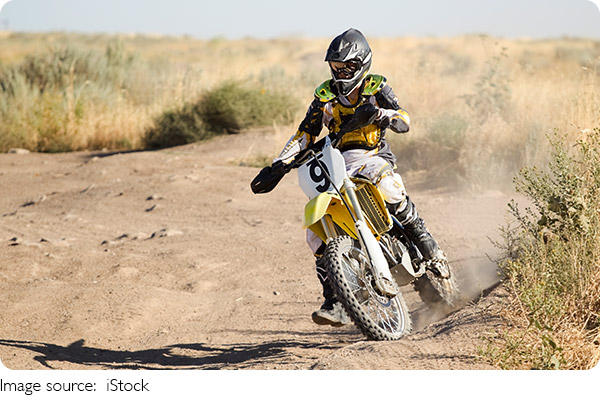
The rumble of a motorcycle engine echoes through a dirt trail as riders tackle steep inclines and winding paths.
That moment of freedom is thrilling—but it's also where caution matters most. Off-road riding brings excitement, but without careful preparation and awareness, a fun ride can quickly turn dangerous.
Knowing the right safety practices helps every rider enjoy the adventure while minimizing risk.
Essential Protective Gear
Helmet
A properly fitting helmet is non-negotiable. Off-road helmets provide enhanced ventilation and face protection for trails filled with dust, rocks, and branches. Ensure it meets safety standards and fits snugly without being too tight, securing the chin strap firmly before each ride.
Body protection
Protective jackets, gloves, and reinforced pants shield the rider from abrasions, scrapes, and impact. Chest protectors and elbow guards offer extra security during jumps or falls. Opt for breathable, durable materials to maintain comfort over long rides.
Boots and goggles
High, sturdy boots protect ankles from twisting or debris impact. Goggles prevent dirt, dust, and insects from impairing vision, which is critical when navigating uneven terrain. Anti-fog coatings help maintain clear sight in varying weather conditions.
Bike Inspection and Maintenance
Tire check
Off-road tires must be properly inflated and free of punctures or excessive wear. Inspect tread depth and look for sidewall cracks. Proper tires enhance grip and stability, especially on mud, gravel, or rocky trails.
Brake and suspension
Ensure brakes respond promptly and the suspension is adjusted for the rider's weight and terrain. Regularly inspect brake pads and fluid levels, and look for leaks in the suspension system. Responsive brakes and smooth suspension are vital for preventing accidents.
Chain and engine check
Lubricate the chain, tighten as needed, and ensure smooth rotation. Verify that the engine runs without unusual noises and that fluids are topped off. Routine maintenance prevents mechanical failures that could leave riders stranded or cause crashes.
Riding Techniques for Safety
Controlled speed
Speed is thrilling, but maintaining control is paramount. Adapt velocity to terrain, visibility, and skill level. Sudden accelerations or high speeds on uneven paths increase the risk of losing balance or colliding with obstacles.
Body positioning
Shift body weight to maintain balance over slopes, corners, and jumps. Standing slightly on footpegs improves shock absorption and control, while leaning into turns helps navigate tight bends safely.
Trail awareness
Scan the path ahead to anticipate rocks, mud patches, and tree roots. Avoid blind turns at high speed and maintain safe distance from other riders to reduce the chance of collisions. Awareness is often the difference between a controlled ride and an accident.
Environmental Considerations
Weather conditions
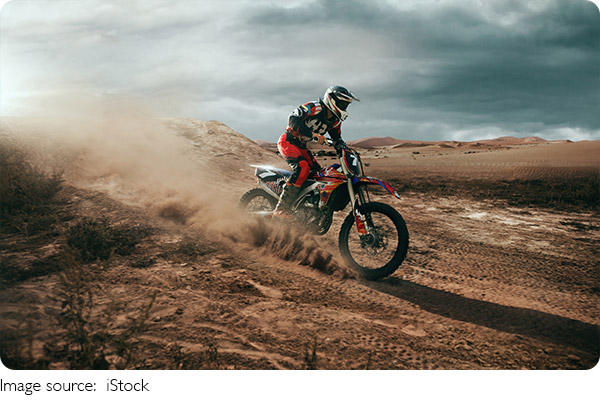
Rain, snow, or loose gravel affects traction. Check forecasts and adjust plans accordingly. Wet trails require smoother acceleration and braking to avoid skidding.
Trail etiquette
Respect marked trails and local regulations. Avoid riding in restricted areas and yield to hikers or wildlife. Responsible riding protects both the environment and your safety.
Emergency preparedness
Carry a basic first-aid kit, a mobile device, and tools for minor repairs. Inform someone about your route and expected return time. Being prepared ensures quick responses in case of injuries or mechanical issues.
Riding off-road is a blend of skill, awareness, and preparation.
Each layer of gear, every maintenance check, and mindful riding technique adds a measure of safety that allows the thrill of the trail to shine. By treating safety as part of the adventure, riders can enjoy the freedom of off-road exploration while returning home with stories, not injuries.