How Cars Are Made

Ethan Sullivan
| 01-03-2026
 · Automobile team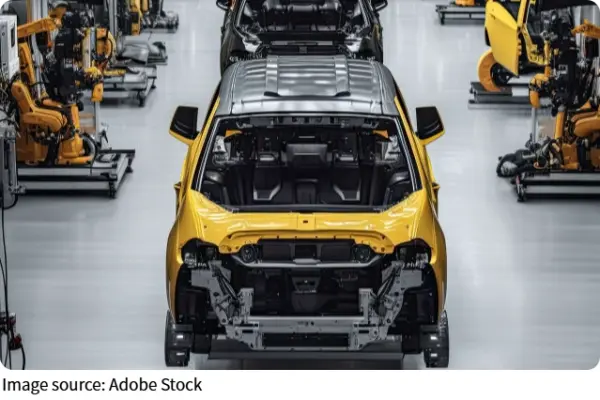
Walking past a car assembly plant, it's easy to be amazed by the massive machines and steady flow of parts.
Cars don't just appear in showrooms—they go through a precise, highly coordinated process that turns raw materials into a fully functional vehicle.
Understanding this process gives a new appreciation for the engineering and teamwork behind every ride.
Designing the Vehicle
Concept sketches and digital models
Engineering specifications and prototypes
Safety and efficiency testing
Before any metal is cut, designers and engineers create a detailed blueprint. Designers focus on the vehicle's shape, interior layout, and ergonomics, while engineers ensure mechanical feasibility and safety. Computer-aided design (CAD) software allows teams to simulate stress tests, crash scenarios, and fuel efficiency before a prototype is built.
Example: A sports SUV might go through several 3D digital models, where engineers test aerodynamics and structural strength, adjusting curves and frame materials to optimize performance and safety.
Stamping and Forming Parts
Metal sheets cut into panels
Press machines shape the body components
Quality inspection of each piece
Once the design is finalized, raw steel or aluminum sheets are pressed into car parts. Large stamping machines punch and bend the metal into doors, hoods, roofs, and fenders. Precision is crucial—slight errors can affect assembly and safety.
Tip: Factories often color-code or mark parts to track quality control. Inspectors verify panel alignment and structural integrity before the next stage.
Body Assembly
Welding panels into the car frame
Robotic arms and human workers collaborate
Sealing seams and checking alignment
The stamped parts are brought together on an assembly line. Robots handle repetitive welding tasks for accuracy and strength, while workers focus on complex areas or adjustments. Seams are sealed to prevent rust and ensure the vehicle's durability.
Example: A factory might use laser-guided robots to weld the roof and side panels, while workers check that doors and hatches align perfectly, ensuring smooth operation later.
Painting and Finishing
Surface cleaning and priming
Base coat, color coat, and protective clear coat
Oven baking for durability
A car's paint is more than cosmetic—it protects metal surfaces from corrosion. The body is cleaned, primed, and coated with multiple layers. High-temperature ovens cure the paint for a long-lasting finish. Modern facilities also use electrostatic techniques to ensure even coverage and reduce waste.
Actionable step: Observing a factory tour, you can notice how cars move through spray booths in a controlled environment to prevent dust from sticking, resulting in a flawless exterior.
Powertrain and Interior Installation
Engine, transmission, and suspension fitted
Electrical wiring and control systems installed
Seats, dashboard, and interior panels assembled
With the frame and paint ready, the vehicle receives its engine, transmission, and suspension system. Next, electricians wire the car for lights, sensors, and infotainment. Finally, interiors are installed—seats, dashboards, and panels—all carefully tested for fit and finish.
Example: In a luxury SUV, the infotainment system is connected and programmed before the steering wheel and upholstery are installed, allowing technicians to test touchscreen responsiveness and audio quality simultaneously.
Testing and Quality Control
Road simulation tests
Brake, steering, and safety feature checks
Final inspection for defects
Before reaching dealerships, cars undergo extensive testing. Brake systems, suspension, and electronics are evaluated under simulated conditions. Every component, from tire alignment to airbag function, is verified to meet strict standards.
Tip: Many plants have a test track where vehicles undergo acceleration, braking, and handling tests, ensuring they perform correctly under real-world conditions.
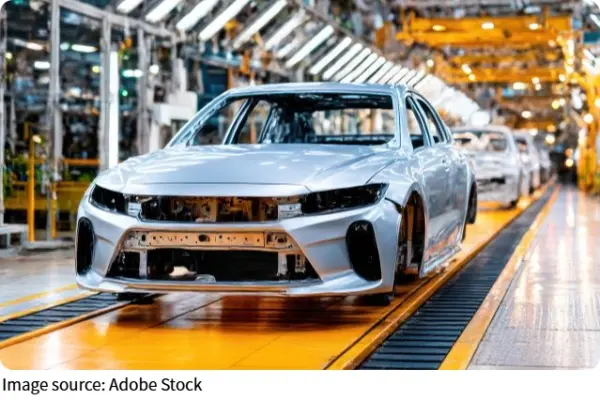
Creating a car is a complex dance of design, engineering, and craftsmanship. From initial sketches to the final quality checks, each step requires precision, collaboration, and innovation. Knowing how cars are built not only highlights the technology behind modern vehicles but also helps drivers appreciate the journey their ride took before ever hitting the road.