Wabah Crater Adventure

Kwame Johnson
| 27-03-2026
 · Travel team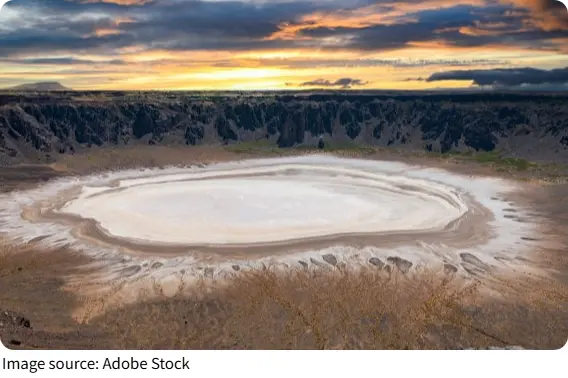
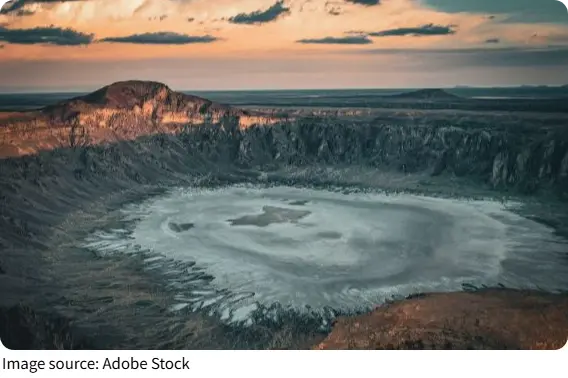
Rising like a natural amphitheater amid rolling hills, Wabah Crater is a hidden gem for nature lovers and adventurers alike. Its broad rim, layered volcanic rock, and verdant interior tell the story of an ancient eruption, now transformed into a sanctuary of hiking trails, wildflowers, and panoramic views.
Visiting Wabah Crater offers not just a walk through geological history, but an immersive experience in a unique ecosystem shaped by fire, time, and rainfall.
Wabah Crater
Exploring Wabah Crater
1. Hiking the Crater Rim
The rim trail of Wabah Crater stretches approximately 4 km, offering a moderate 2–3 hour loop for hikers. Along the way, you can spot rare alpine flowers, small wildlife, and sweeping vistas of the surrounding countryside. The trail is well-marked and free to access year-round, though early morning or late afternoon provides the best light and cooler temperatures.
2. The Crater Interior
Descending into the crater reveals a surprisingly lush landscape, with seasonal streams and pockets of native forest. A short walk leads to viewpoints overlooking the center of the crater, where volcanic formations create natural terraces. Guided tours are available for €20–€30 per person, providing insights into the geological history and ecology of the area.
3. Photography and Wildlife
Wabah Crater is a paradise for photographers. The interplay of shadows across the rocky rim and the vibrant greenery below creates striking contrasts. Birdwatchers can spot species such as raptors and forest songbirds, while casual visitors may encounter small mammals and insects that thrive in this protected environment.
Getting There
1. By Air
The nearest major airport is approximately 2 hours away, offering regional flights. From there, renting a car is recommended for flexibility in accessing the crater and nearby attractions.
2. By Car
Driving from the nearest town involves well-maintained paved roads, followed by a short stretch of gravel road leading to the parking area at the crater entrance. Parking is available on-site with a small fee of €5 per day.
3. By Public Transport
Local buses run to the nearby village, from which visitors can arrange taxis or guided shuttles to reach the crater. Bus schedules are limited, so planning ahead is advised.
Where to Stay?
1. Wabah Crater Lodge
Located just 10 minutes from the crater entrance, this lodge offers rooms for €120–€200 per night. Amenities include guided hikes, breakfast service, and panoramic terraces overlooking the volcanic landscape.
2. Mountain Guesthouses
Nearby guesthouses provide cozy, budget-friendly accommodations (€60–€100 per night) with local cuisine and personal service. Staying in these lodges allows for early access to sunrise hikes.
3. Eco-Resorts
For a more immersive experience, eco-resorts offer sustainable lodging options with forest walks and nature programs. Prices typically range from €150–€250 per night and include meals and guided excursions.
Tips for an Unforgettable Visit
Wear sturdy hiking shoes, as trails may be uneven or rocky.
Bring water, sunscreen, and layered clothing for changing weather.
Respect the natural environment; avoid disturbing wildlife and stick to marked paths.
Early morning hikes provide the best lighting for photography and a quieter experience.
Standing at the edge of Wabah Crater, visitors are reminded of the immense forces that shaped the land over millennia. The mix of rugged volcanic rock, vibrant vegetation, and panoramic vistas creates a serene yet awe-inspiring atmosphere. Whether you hike the rim, explore the interior, or simply pause to take in the view, Wabah Crater offers an unforgettable encounter with the raw beauty of nature—a place where time slows, and the power of the earth can be felt with every step.