Moai of Rapa Nui

Arjun Mehta
| 06-03-2026
 · Travel team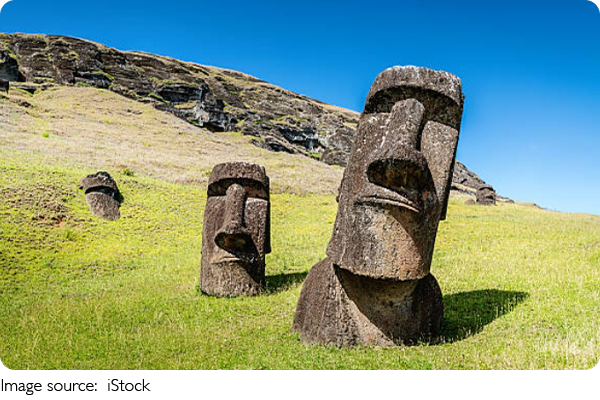
Scattered across the windswept plains of Rapa Nui, the Moai statues stand as silent witnesses to a civilization that flourished centuries ago. Their massive stone forms, with solemn faces and imposing presence, tell stories of culture, belief, and ingenuity.
Visiting these monolithic figures offers not just a glimpse into the past, but an immersive experience in one of the world's most remote and mysterious destinations.
Getting There
1. Flights to the Island
Rapa Nui is accessible via Mataveri International Airport, located near Hanga Roa, the island's main town. LATAM Airlines offers regular flights from Santiago, Chile, with a journey time of roughly six hours. Booking flights several months in advance is recommended due to limited availability.
2. Local Transportation
Upon arrival, travelers can rent cars, scooters, or bicycles to explore the island at their own pace. Taxis and guided tours are also available, providing convenient access to the main Moai sites. Distances are relatively short, with the farthest ceremonial platforms reachable within 40 minutes from Hanga Roa.
3. Entry Fees
To visit the Rapa Nui National Park, which encompasses the majority of Moai sites, a park entry fee of approximately USD 85 is required. The fee covers access to multiple archaeological sites, including Ahu Tongariki, Ahu Akivi, and Rano Raraku. Guided tours may include additional costs ranging from USD 50 to 120 depending on the itinerary.
Must-See Moai Sites
1. Rano Raraku Quarry
Rano Raraku is the birthplace of the Moai. Here, visitors can see partially carved statues still embedded in volcanic rock, offering insight into the traditional techniques used by the islanders. Walking paths wind through the quarry, allowing close inspection of carvings and tool marks. Open daily from 8:30 a.m. to 6:30 p.m., it is one of the most visually striking locations on the island.
2. Ahu Tongariki
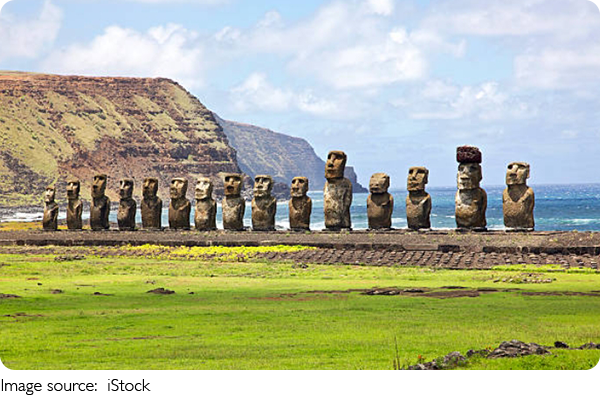
This ceremonial platform hosts the largest collection of restored Moai, fifteen in total, standing in majestic alignment against the Pacific backdrop. Sunrise photography here is particularly spectacular, as early light illuminates the statues while casting dramatic shadows across the platform.
3. Ahu Akivi
Uniquely, the Moai at Ahu Akivi face the ocean rather than inland, marking a deviation from typical placement. Accessible via a short drive from Hanga Roa, the site allows for panoramic views and is ideal for understanding the symbolic orientation of the statues within Rapa Nui culture.
Accommodation and Dining
1. Hanga Roa Hotels
For comfortable stays, options such as Hotel Taha Tai (USD 180–220 per night) and Explora Rapa Nui (USD 450–600 per night with all-inclusive packages) provide well-appointed rooms, guided excursions, and cultural activities. Budget travelers may opt for guesthouses or hostels averaging USD 50–80 per night.
2. Camping Options
While formal campgrounds are limited, certain areas outside Hanga Roa allow for tents, with basic facilities such as restrooms and potable water. Advanced preparation is necessary due to the island's remote location.
3. Food and Essentials
Local restaurants serve fresh seafood, Polynesian-inspired dishes, and continental fare. Hanga Roa has small markets to purchase water, snacks, and supplies for day trips. Planning ahead ensures a comfortable exploration, especially for sites located further from the town.
Photography and Observation Tips
1. Lighting Considerations
Early morning and late afternoon provide the softest light, enhancing textures and the dramatic presence of the Moai. The long shadows cast during sunrise and sunset create striking photographic compositions.
2. Composition Techniques
Including foreground elements such as native flora or stone platforms can add depth to images. Wide-angle lenses capture the scale of multiple statues, while telephoto lenses highlight intricate head details.
3. Respectful Viewing
Maintaining a respectful distance preserves both the statues and their cultural significance. Avoid climbing or touching the Moai, as many are fragile and vulnerable to erosion.
Visiting the Moai is more than sightseeing—it's an encounter with history, artistry, and mystery that lingers long after departure. Each statue, carefully carved from volcanic stone and strategically placed across the island, tells a story of resilience and ingenuity. Immersing oneself in this environment, whether observing the statues at dawn or exploring the quarry, fosters a deeper appreciation for the Rapa Nui culture and the remarkable legacy it has left behind.