Cheesecake Made Simple

Claire
| 04-03-2026
 · Cate team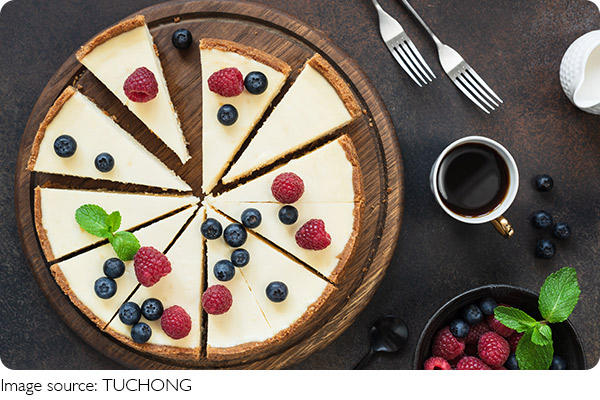
The first slice of cheesecake is always quiet.
Fork sinks in, the center yields gently, and for a second the world feels slower.
Yet many home bakers hesitate to make one, convinced it is fragile, temperamental, or reserved for pastry shops with stainless steel counters and industrial ovens. The truth is simpler: with the right ingredients, clear steps, and a few practical precautions, a creamy cheesecake is absolutely achievable in an ordinary kitchen.
Ingredients You'll Need
1. For the crust
- 200 g digestive biscuits or graham crackers
- 100 g unsalted butter, melted
- 1 tablespoon granulated sugar
2. For the filling
- 600 g full-fat cream cheese, softened to room temperature
- 150 g granulated sugar
- 200 ml heavy cream
- 3 large eggs, room temperature
- 1 teaspoon pure vanilla extract
- 1 tablespoon fresh lemon juice
3. Optional topping
- Fresh berries
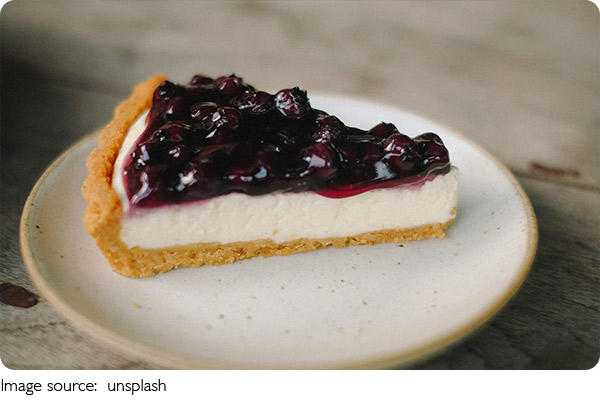
- Fruit compote
- A light dusting of powdered sugar
Room temperature ingredients are not a suggestion; they are essential. Cold cream cheese leads to lumps, and cold eggs can cause uneven mixing.
Step-by-Step Method
1. Prepare the crust
- Preheat your oven to 160°C (340°F).
- Crush the biscuits into fine crumbs using a food processor or by placing them in a sealed bag and pressing with a rolling pin.
- Mix crumbs with melted butter and sugar until evenly coated.
- Press firmly into the base of a 20 cm springform pan, creating an even layer.
- Bake for 10 minutes, then remove and let cool while preparing the filling.
Pressing the crust firmly prevents it from crumbling later. Use the flat bottom of a glass to compact it evenly.
2. Make the filling
- Beat softened cream cheese on low speed until smooth and creamy. Avoid high speed to reduce excess air.
- Add sugar and mix until fully incorporated.
- Add eggs one at a time, mixing gently after each addition.
- Stir in heavy cream, vanilla extract, and lemon juice until smooth.
The mixture should look silky and pourable, not whipped or frothy. Overmixing introduces air bubbles that can cause cracks during baking.
3. Bake with gentle heat
- Wrap the outside of the springform pan tightly with aluminum foil.
- Place the pan in a larger baking tray and pour hot water into the tray until it reaches halfway up the sides of the pan.
- Bake for 50–60 minutes. The center should still jiggle slightly when gently shaken.
This water bath method provides even heat and reduces the risk of surface cracking.
4. Cool gradually
- Turn off the oven and leave the door slightly open.
- Allow the cheesecake to cool inside for 1 hour.
- Remove and refrigerate for at least 4 hours, preferably overnight.
Rapid temperature changes are the main cause of cracks. Patience here determines the final texture.
Common Mistakes to Avoid
1. Overbaking
If the center looks completely firm in the oven, it is already overdone. Residual heat continues cooking after removal.
2. Skipping the water bath
Direct heat can create uneven texture and surface splits. The gentle steam environment promotes a creamy consistency.
3. Cutting too soon
Warm cheesecake is soft and fragile. Chilling allows the structure to set properly, making clean slices possible.
Serving and Storage
1. Clean slicing
Dip a sharp blade in hot water, wipe dry, and slice. Repeat between cuts for neat edges.
2. Storage
Store covered in the refrigerator for up to 4 days. The flavor often deepens on the second day.
3. Freezing option
Wrap tightly in plastic wrap and freeze for up to one month. Thaw overnight in the refrigerator.
A homemade cheesecake does not require professional training—just attention to temperature, mixing, and timing. The moment you lift the springform ring and reveal a smooth, creamy surface, confidence replaces hesitation. Try it once, follow the steps carefully, and you may find that what once felt intimidating becomes a dessert you return to again and again, especially when you want that quiet, satisfying first bite.