AlUla's Ancient Rock Tombs

Ravish Kumar
| 13-04-2026
 · Travel team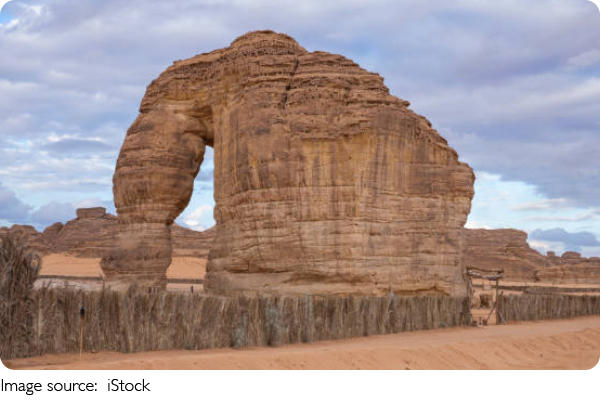
Step inside a sandstone cavity that has been shaped by human hands two thousand years ago and the sensation is immediate and specific — the temperature drops, the light shifts from harsh desert brightness to a warm amber glow filtering through carved openings.
And the scale of what you are standing inside makes the civilization that created it feel suddenly, unexpectedly close.
AlUla's ancient rock-carved sites produce that experience repeatedly, in locations spread across a dramatic sandstone landscape that stretches for kilometers through northwestern Saudi Arabia. Most of the world has heard of Petra in Jordan. Fewer people know that Saudi Arabia contains an equally remarkable Nabataean site — one that is larger in area, better preserved in certain respects, and considerably less crowded than its more famous counterpart.
Have you been to AlUla, or has Saudi Arabia been sitting outside your travel consideration entirely? Either way, here is what you need to know before the crowds discover it properly.
What AlUla and Hegra Actually Are
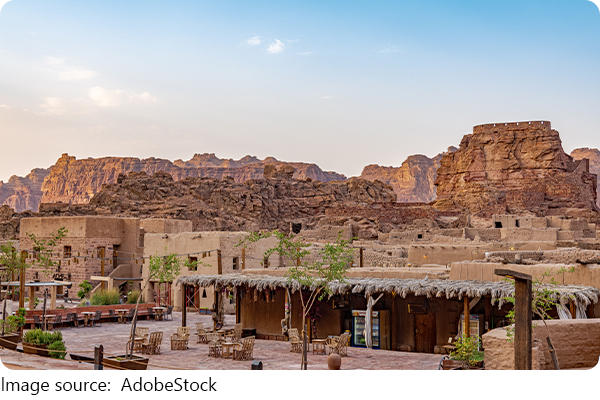
AlUla is a region in the Medina province of northwestern Saudi Arabia that contains multiple layers of human occupation spanning thousands of years. The most significant of these layers is Hegra — known historically as Mada'in Salih — a Nabataean city that served as the southern capital of the Nabataean kingdom between approximately the first century BCE and the first century CE.
The Nabataeans were extraordinary engineers of stone. Working with sandstone formations that the desert landscape provided in abundance, they carved elaborate tomb facades directly into the cliff faces and isolated rock outcrops that punctuate the AlUla valley. These facades — some reaching heights of over twenty meters — combine columns, decorative friezes, and carved inscriptions in a style that reflects both Nabataean tradition and Hellenistic influence absorbed through the trade networks the kingdom controlled.
Hegra became the first UNESCO World Heritage Site in Saudi Arabia, a designation that reflects both the quality of the remains and the significance of the civilization that created them. The interior cavities visible in the photograph — carved niches, smoothed walls, and openings shaped to specific functional purposes — represent the burial chambers that the tomb facades were designed to protect and announce.
Getting There
AlUla is accessible by air from Riyadh, Jeddah, and several other Saudi cities through AlUla Regional Airport, which has been significantly upgraded as part of Saudi Arabia's tourism development program. Flight times from Riyadh and Jeddah are approximately one and a half to two hours, with tickets starting from approximately $60 to $120 each way depending on the season and booking timing.
International visitors typically route through Riyadh or Jeddah, both of which receive direct flights from numerous global hubs. Saudi Arabia's e-visa system allows visitors from most Western countries to obtain a tourist visa online prior to arrival, with the process taking approximately 24 to 48 hours and costing approximately $120.
From AlUla airport, the journey to the main visitor area takes approximately 15 to 20 minutes by taxi or arranged transfer. Most accommodation properties offer airport pickup as a standard service. Car rental is available at the airport from approximately $40 to $70 per day and provides flexibility for exploring the wider region independently.
Opening Hours and Entry Costs
Access to Hegra and the surrounding AlUla archaeological sites is managed through the Experience AlUla platform, which handles ticketing and tour bookings for the region's attractions. Independent entry to Hegra requires a guided tour — unaccompanied access to the tomb areas is not permitted in order to protect the sandstone surfaces from damage.
Guided tours of Hegra typically run in the morning hours to avoid the worst of the afternoon heat and last approximately two to three hours. Tour prices start from approximately $35 to $50 per person for a standard guided visit, with premium small-group tours available at higher price points.
The broader AlUla region contains additional sites worth including in any visit.
1. Dadan — an ancient city that predates the Nabataean period, with carved lion tombs visible in the cliff face above the settlement remains. Entry included in combined AlUla passes.
2. Jabal Ikmah — an open-air collection of ancient inscriptions covering multiple writing systems and languages, representing one of the largest concentrations of ancient text in the Arabian Peninsula. Entry by guided tour from approximately $20 per person.
3. Elephant Rock — the iconic natural sandstone formation discussed separately, accessible freely at any hour.
Combined site passes covering multiple attractions are available from approximately $80 to $120 per person and represent better value than individual site tickets for visitors planning more than one day in the region.
Where to Stay
AlUla's accommodation has developed rapidly and now includes some of the most architecturally distinctive properties in the Middle East.
Habitas AlUla offers tented suite accommodation set among ancient palm groves and sandstone formations, with rooms beginning at approximately $400 per night during peak season and from $250 during quieter periods. The property's integration with the landscape is deliberate — the structures are designed to leave the surrounding environment largely undisturbed.
Shaden Resort AlUla provides more conventional hotel accommodation with traditional Arabian architectural references and comfortable rooms from approximately $180 per night. For travelers managing costs, several smaller guesthouses in the AlUla old town area offer basic but clean accommodation from approximately $60 to $100 per night, placing guests within the historic town fabric rather than in purpose-built resort developments.
AlUla sits at an unusual moment in its trajectory — significant enough to have earned UNESCO recognition, developed enough to receive visitors comfortably, but not yet so widely known that the experience has been processed into something entirely frictionless and predictable. The sandstone cavities carved two thousand years ago are still there, still warm in the afternoon light, still holding the silence of a civilization that understood stone in ways that reward standing still and paying attention. Have you been to AlUla, or is northwestern Saudi Arabia still beyond the edge of your travel map? Either way, the tombs will be there — carved, enduring, and entirely worth the journey across the desert to reach them.