EV Impact Reality

Antonio
| 24-04-2026
 · Automobile team
Around the world, electric vehicles are becoming a common part of modern transportation. Many of us see them as a clean solution because they do not burn fuel while driving.
However, when we look more carefully, the environmental impact is not as simple as it first appears.
Electric vehicles do reduce certain types of pollution, but their overall footprint depends on several connected stages, from energy production to recycling systems.
Let’s explore the full picture in a clear and simple way.
Direct Emissions During Driving
One clear advantage of electric vehicles is that they produce no exhaust emissions during use. Unlike traditional combustion engines, they do not release carbon dioxide, nitrogen compounds, or other harmful gases directly while driving.
This helps improve air quality, especially in densely populated cities where traffic is heavy. From this perspective, electric vehicles significantly reduce pollution at the street level and make daily travel cleaner and quieter.
Indirect Emissions from Electricity Use
Even though electric vehicles do not produce direct emissions, we still need to consider how the electricity used for charging is generated. In many regions around the world, electricity is still partly produced using fossil fuels. These power plants can release greenhouse gases and other pollutants into the atmosphere.
This means that emissions are not eliminated but shifted from vehicles to energy production systems. The environmental benefit becomes stronger when cleaner energy sources such as wind, solar, or hydro power make up a larger share of the grid.
Battery Production and Resource Use
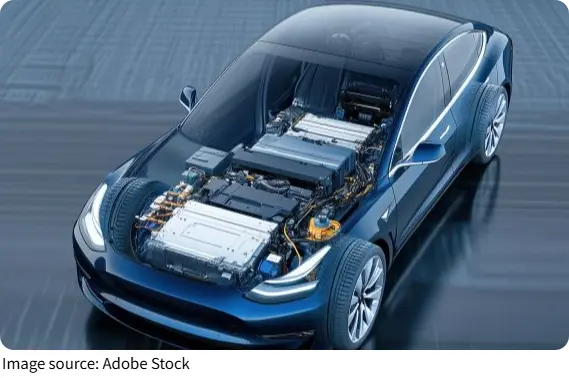
Battery manufacturing is another key factor in the environmental impact of electric vehicles. Batteries require materials like lithium, cobalt, and nickel, which must be extracted and processed. These activities consume energy and can place pressure on natural ecosystems if not managed responsibly.
Mining operations may also affect land use and water resources. In addition, the production process itself requires significant industrial energy input, which adds to the overall environmental footprint before the vehicle even begins operation.
Battery Lifespan and Recycling Challenges
We also need to consider what happens after batteries reach the end of their usable life. Over time, battery performance naturally declines, and replacement becomes necessary. Effective recycling systems are essential to recover valuable materials and reduce environmental risks.
If batteries are not properly processed, harmful substances may leak into soil or water systems, creating long-term environmental concerns. Developing efficient recycling technologies is therefore an important step toward improving sustainability in electric transportation.
Infrastructure Development and Energy Demand
Electric vehicles also rely on charging infrastructure, which requires construction and maintenance. Charging stations must be built, connected to power networks, and regularly serviced. This process involves resource use and energy consumption, contributing additional environmental impact.
Even renewable energy systems, such as solar-based charging setups, require manufacturing of panels and equipment, which also has an environmental cost. Supporting infrastructure is therefore an important part of the overall environmental equation.
Overall Understanding of Environmental Impact
When we consider the entire life cycle, electric vehicles are not completely impact-free. They clearly offer a major benefit by reducing direct emissions during driving. However, their full environmental footprint also includes electricity generation, battery production, recycling processes, and infrastructure development.
This means that evaluating them fairly requires a system-wide perspective rather than focusing only on road emissions. A balanced view helps us understand both their progress and their remaining challenges.
Final Reflection: Where Do We Go From Here?
For us, the key takeaway is that electric vehicles are an important step forward, but not a complete solution on their own.
Their true environmental value depends on cleaner energy systems, improved recycling methods, and more efficient resource use across the entire supply chain. As these areas continue to develop, transportation can move closer to a more sustainable future.
What do you think, Lykkers? Are electric vehicles already transforming the world enough, or is there still a long journey ahead toward truly low-impact transportation?