Why We Love Old Cars

Rafael
| 26-05-2026
 · Automobile team
Classic cars are more than just machines—they are a connection to a past era when craftsmanship, style, and engineering were at the forefront of the automotive industry.
These timeless beauties continue to captivate car enthusiasts and collectors alike. What is it about these vehicles that makes them so desirable, even decades after they first rolled off the production line?
Let's take a closer look at some of the most iconic classic cars, their rich histories, and the reasons why they remain popular today.
Iconic Models: The Legends of the Road
When people think of classic cars, certain models immediately come to mind. These vehicles are revered for their design, performance, and impact on automotive history.
Ford Mustang (1964)
The Ford Mustang is often credited with launching the pony car era. With its aggressive styling and affordable price, the Mustang captured the hearts of Americans in the 1960s and continues to be a symbol of muscle and freedom.
Chevrolet Corvette (1953)
Known as "America's Sports Car," the Chevrolet Corvette is a classic that combines cutting-edge design with high performance. The Corvette has evolved through multiple generations, but its original 1953 model still turns heads for its sleek lines and powerful engine.
Porsche 911 (1964)
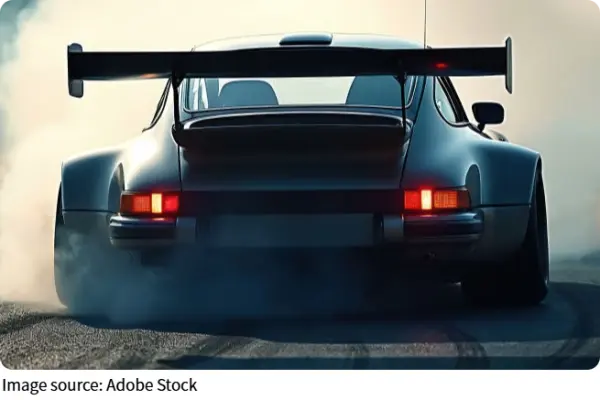
Porsche's 911 is another automotive icon that has stood the test of time. Introduced in the early 1960s, the 911 has maintained its position as one of the world's most desirable sports cars due to its unmatched engineering, distinctive design, and exhilarating driving experience.
The Allure of Vintage Design and Engineering
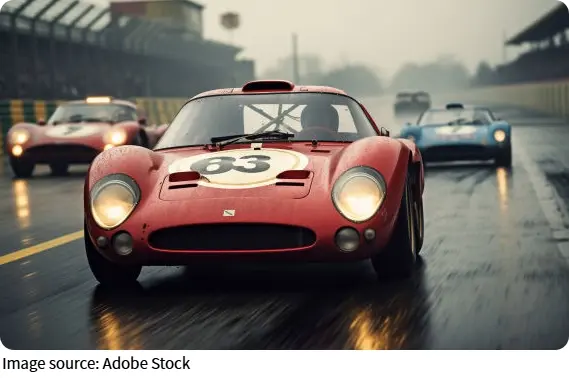
What sets classic cars apart is their unique design and the meticulous engineering that went into creating them. These cars were often hand-built, and every detail, from the curves of the body to the texture of the upholstery, was carefully considered.
The 1960s and 1970s were a golden era for automotive design, with manufacturers producing cars that were as much about visual appeal as they were about performance. The lines on a classic car like the Jaguar E-Type or the Ferrari 250 GTO are often regarded as the epitome of automotive artistry. These cars don't just offer nostalgia; they represent a time when manufacturers pushed the boundaries of what was possible.
A Rich History of Performance and Innovation
Classic cars weren't just designed to look good—they were built for performance. Many of the cars we consider classics today were at the forefront of automotive innovation when they were released. For instance, the Shelby GT500 Mustang of the 1960s was a powerhouse that raced on both streets and tracks, giving rise to a whole new breed of high-performance muscle cars.
The 1963 Ferrari 250 GTO, which remains one of the most expensive cars ever sold, revolutionized racing with its lightweight body and race-winning engineering. Cars like these paved the way for the sports and performance cars we see on the roads today.
Timeless Popularity: Why Collectors Love Classic Cars
The appeal of classic cars extends beyond their looks and performance. For collectors, these vehicles are more than just an investment—they are a part of history. Owning a classic car is a way to preserve a piece of automotive heritage, something that transcends time and trends.
Nostalgia
For many, classic cars are a link to the past. They remind us of simpler times or the glory days of automotive manufacturing. People are drawn to the memories these cars evoke, whether it's from their own past or from the iconic images of the golden era of driving.
Rarity and Value
Many classic cars are rare, having been produced in limited numbers. This rarity increases their value, especially as the years go by and fewer remain in good condition. Certain models, such as the Ferrari 250 GTO or the Porsche 911, are considered to be investment-grade vehicles due to their rarity and historical importance.
The Driving Experience
While modern cars offer superior safety features and technology, there is something uniquely thrilling about driving a classic car. From the roar of the engine to the feel of the road, classic cars offer an authentic driving experience that can't be replicated by today's technology-driven cars.
Restoring and Maintaining Classic Cars
Owning a classic car often involves more than just purchasing the vehicle. Restoration and maintenance are key aspects of keeping these cars in top condition. Many collectors take great pride in restoring cars to their original glory, which involves sourcing rare parts and finding skilled technicians who specialize in vintage vehicles.
While the process of restoring a classic car can be expensive and time-consuming, it's a rewarding endeavor for car lovers who want to preserve the beauty and performance of these machines. Proper maintenance is essential to ensure that classic cars continue to run smoothly and retain their value.
The Lasting Legacy of Classic Cars
Classic cars are more than metal and rubber—they are moving museums of human ambition. Each dent, stitch, and engine roar tells a story of an era when driving was an event, not just a commute. Whether you are a seasoned collector or a curious admirer, these machines invite you to slow down and appreciate art in motion.
As electric vehicles rise in popularity, the value of vintage craftsmanship only grows. The road may change, but the love for classic cars will never fade.