DIY Car Maintenance

Kenji
| 21-04-2026
 · Automobile team
Most drivers hand over money at a repair shop for jobs they could easily handle themselves in under thirty minutes.
Not because the tasks are complicated — but because nobody ever showed them how.
Learning basic car maintenance doesn't require mechanical expertise. It requires knowing what to check, when to check it, and how to do it correctly. Master these essentials, and you'll save money, drive safer, and catch problems before they turn expensive.
There's no reason to pay a shop for simple tasks that any driver can complete at home with minimal tools. Always check your owner's manual for vehicle-specific specifications.
Change Your Headlights Yourself
Headlights burn out — it's inevitable. When they do, replace them immediately. They're one of your vehicle's most critical safety features, helping you see the road and making you visible to other drivers.
The good news is that swapping a headlight bulb is one of the fastest DIY fixes you can do. Keep a set of spare bulbs in your car and you can be back on the road in under thirty minutes — faster than scheduling a mechanic appointment and waiting around.
Check Tire Pressure Monthly
All tires lose air naturally over time. Checking pressure monthly is one of the most straightforward and impactful maintenance habits you can build. A few important rules:
• Always check pressure first thing in the morning, before driving — heat from driving or sun exposure skews the reading
• Inflate to the pressure listed on the carmaker's decal inside your driver's doorjamb — not the maximum pressure stamped on the tire itself
• Use the same gauge each time for consistent readings
• The correct pressure is based on your vehicle's weight, not the tire brand or tread type
Proper inflation extends tire life, improves fuel efficiency, and keeps handling predictable.
Replace Wiper Blades Before They Fail
Testing your wipers takes five seconds — press the washer button and watch. If they streak instead of wiping clean, replace them immediately. When shopping for new blades, skip the economy options and choose a name brand such as ANCO, Trico, or Bosch.
The higher-quality rubber wipes more effectively, resists UV degradation, and lasts significantly longer. During installation, maintain a firm grip on the wiper arm after removing the old blade — if it snaps back against the windshield, it can shatter the glass.
Check Your Oil Level at Home
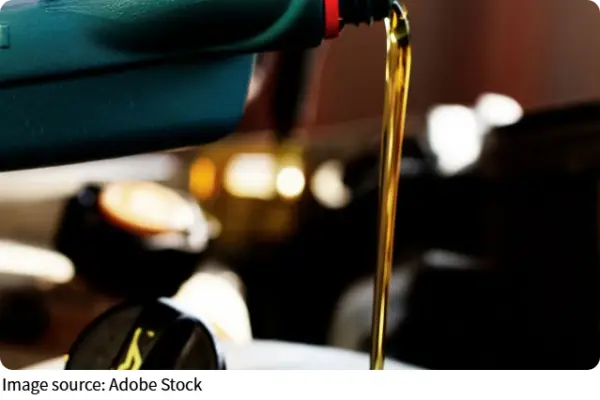
Grab a clean rag, open the hood, and locate the dipstick — your manual will show you exactly where it is. Pull it out, wipe it clean, reinsert it fully, then pull it out again. The dipstick has two markers: FULL and ADD. If the oil reads below the ADD line, you need to top it up immediately.
Learning to check — and eventually change — your own oil is one of the highest-value maintenance skills a driver can have. It's straightforward once you've done it once.
Measure Tire Tread Depth Accurately
Skip the old penny trick — it's imprecise. A tread depth gauge costs only a few dollars and gives you an accurate reading. Measure about one inch from each edge and again at the center tread. All three readings should match. If they don't, your tires are wearing unevenly, which typically points to an alignment issue that needs professional attention before it worsens.
Jump-Start a Dead Battery
A dead battery will happen to almost every driver eventually. Knowing the correct sequence before that moment arrives makes it far less stressful. Follow these steps precisely:
• Clamp the positive (red) cable to the positive terminal of the dead battery — keep the other end clear of the engine and body
• Connect the other end of the positive cable to the positive terminal of the working battery
• Clamp the negative (black) cable to the negative terminal of the working battery 4. Connect the remaining negative clamp to a clean metal surface on the engine of the dead vehicle — not the battery itself, and away from moving parts and fuel lines
Start the working vehicle, wait a minute, then attempt to start the dead one.
Inspect and Replace the Engine Air Filter
Pull the air filter out and hold it up to light. If light doesn't pass through clearly, it needs replacing. Don't wait for a manufacturer's recommended interval — replace it based on actual condition. While the filter is out, vacuum any debris from inside the air cleaner box. This is a five-minute job that directly affects engine performance and fuel efficiency.
Refill Windshield Washer Fluid
Find your washer fluid reservoir under the hood now — before you need it on a muddy highway with no visibility. Keep a backup bottle in your trunk. Plain water is a temporary substitute only; it lacks cleaning additives, can freeze in cold temperatures, and can damage the reservoir, hoses, and nozzles if used regularly.
Basic maintenance isn't about becoming a mechanic. It's about staying informed, staying prepared, and never being caught off guard by something entirely preventable.