Why Prices Rose Again

Amina Hassan
| 14-05-2026
 · Automobile team
Used car prices are fluctuating—again. After a significant drop throughout 2022, January saw a surprising uptick in prices.
It's a confusing time for car buyers, but let's try to make sense of this changing market.
The Rollercoaster of Used Car Prices
Used car prices, which had soared to record highs during the pandemic, began to ease in the second half of 2022. However, in January 2023, we saw a 2.5% increase in wholesale prices compared to December. The market is still in flux, and understanding these price movements is key to making a smart purchase.
The shift can be attributed to various factors—supply and demand, interest rates, and the availability of new cars. While prices had fallen last year, the improvement in new car production and the effects of rising interest rates seem to have reignited demand for used cars.

Why Did Prices Rise?
Major news outlets recently pointed out that the used-car boom, which saw prices spike during the pandemic, is coming to an end. As more people face higher interest rates and economic uncertainty, the demand for used cars has dipped.
However, as more new cars hit the market, used-car prices began rising again in January. Ivan Drury, Head of Insights, said that if you want to point to one factor that drives demand for cars, it is jobs, noting that if people have jobs, they have cars.
The Impact on Dealers and Buyers
For car dealers, the higher prices indicate strong customer demand, even in the face of rising interest rates. Manheim's data shows that used cars are moving faster off dealership lots. In January, the average number of days a car spent on the lot was 44, significantly lower than 56 days in December.
Sellers are enjoying a bit more pricing power as a result. This situation is a double-edged situation for buyers, though. While demand is high, prices are still unpredictable. Buyers may find themselves paying more than they expected, but if the market stabilizes, this may be a short-lived trend.
The Bigger Picture
While January's price increases are notable, the long-term trends in the used-car market remain uncertain. The recent changes observed in financial news may simply be an example of supply and demand dynamics in action. Lower prices throughout 2022 created a resurgence in demand, which led to the rise in prices this year.
That said, with interest rates rising and fears of a potential recession, the future of used-car prices remains uncertain. Will prices continue to climb, or will they settle back into a pattern of decline? It's hard to say, but keeping an eye on trends will help you stay ahead.
Takeaways for Buyers
1. Know the Market Trends: Understanding the current state of used-car prices can help you make an informed decision about when to buy.
2. Patience Pays Off: If you can wait for the market to settle, you may be able to snag a better deal down the line.
3. Research Prices Regularly: With prices fluctuating so frequently, it's wise to stay updated on the latest trends and compare prices before making a purchase.
4. Consider Financing Options: As interest rates rise, it's important to factor in the cost of financing when purchasing a used car. Shop around for the best rates.
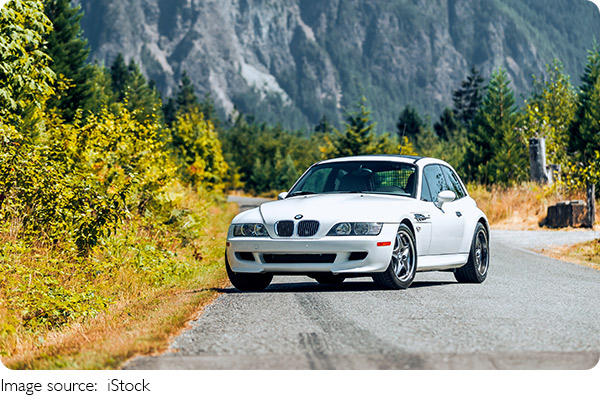
Used car prices will likely keep shifting as interest rates, new car supply, and economic fears all play their part. For buyers, the best strategy is simple: stay informed, compare often, and don't rush. If you can wait, patience may reward you with a better deal. If you need to buy now, understand that today's price might not be tomorrow's. Knowledge is your best negotiating tool.