See Better, Drive Safer

Hana
| 27-04-2026
 · Automobile team
It's easy to overlook how much your seating, mirrors, and windows affect your driving. Yet even small tweaks can make the difference between struggling to see a pedestrian or confidently navigating traffic.
Optimizing your view isn't just about safety—it also reduces strain and makes driving more comfortable. With a few intentional adjustments, your car can feel like it was built around your vision.
Seat Position for Maximum Perspective
Your seat is the foundation of good visibility. The wrong position can leave blind spots and force awkward movements.
Steps to adjust:
Sit so your feet reach the pedals with a slight bend in your knees.
Raise or lower the seat so your eyes are level with the horizon, not looking down at the dash.
Tilt the seat back slightly, around 100–110 degrees, to maintain comfort without leaning forward.
Ensure your headrest supports your head without restricting your field of view.
Actionable example: One commuter raised her seat by two inches and found that she could see over SUVs in traffic, reducing the need to lean forward and improving reaction time.
Perfect Your Mirror Setup
Mirrors are essential for eliminating blind spots, but most drivers don't adjust them properly.
Step-by-step guidance:
Adjust side mirrors so you barely see the side of your car—this widens the coverage of surrounding lanes.
Tilt the rearview mirror to frame the entire back window without moving your head.
Use the “blind spot check” method: shift your gaze slightly to ensure there are no hidden vehicles alongside.
Actionable example: A driver noticed that tilting the passenger-side mirror slightly downward allowed him to spot pedestrians stepping off curbs at night, improving awareness in city streets.
Keep Windows and Windshield Clear
Dirty or streaked glass can drastically reduce visibility, especially in low light or rain.
Practical tips:
Wash windows and windshield regularly, inside and out.
Replace windshield wipers every six months to a year.
Use anti-fog treatments on the interior glass during cold weather.
Actionable example: One commuter applied a rain-repellent coating on her windshield. During a sudden downpour, water beaded off instantly, making the road ahead far easier to see.
Optimize Lighting for Night Driving
Proper lighting ensures you see clearly without dazzling others.
Step-by-step advice:
Adjust headlight height to match your load and avoid blinding oncoming drivers.
Clean headlights regularly to prevent dulling from dirt or oxidation.
Use dashboard lighting at a level that illuminates controls without reflecting on the windshield.
Actionable example: A driver dimmed his dashboard lights slightly at night and noticed a significant reduction in glare, allowing him to focus on street signs and pedestrians.
Reduce Interior Clutter
Objects inside the car can block your view or create distracting reflections.
Tips:
Keep the dashboard clear of items that could bounce reflections onto the windshield.
Avoid hanging large objects from the rearview mirror.
Store loose items in the glove compartment or center console.
Actionable example: One driver removed a stack of papers from the dashboard. With the clear view restored, she could see approaching crosswalks sooner, making city driving safer.
Use Technology to Enhance Awareness
Modern cars come with helpful tools, but even older models can benefit from simple tech.
Suggestions:
Backup cameras or parking sensors for tight spots.
Blind-spot monitoring systems if available.
Phone apps or dash cams that provide lane guidance or alert for obstacles.
Actionable example: A commuter added a small dash cam with a wide-angle lens. While not replacing mirrors, it highlighted areas that were previously hidden, helping to avoid close calls in crowded parking lots.
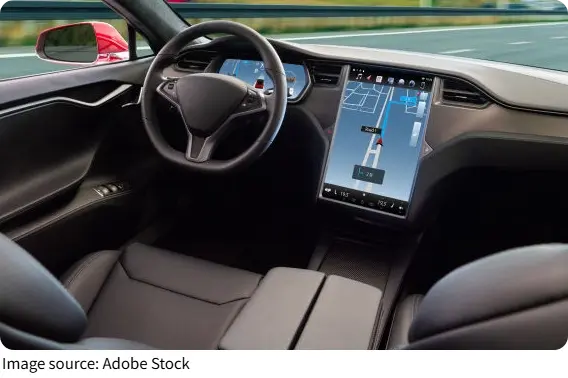
Optimizing your driving view is a blend of smart seating, careful mirror adjustments, clear glass, proper lighting, clutter control, and selective tech use. Once your setup is right, driving feels less stressful and more controlled. Those small changes—like raising a seat or tilting a mirror slightly—compound into a safer, smoother experience on every trip.