Ride in Rhythm with Breath

Claire
| 29-04-2026
 · Automobile team
There's a rhythm to riding a motorcycle that few people consider—your own breathing.
It's easy to get caught up in traffic, scenery, or the thrill of speed and forget that your body's oxygen flow affects endurance, focus, and overall comfort.
Learning to coordinate your riding pace with your breath transforms how you handle long rides, sharp turns, or challenging roads. When your body and bike move in harmony, fatigue decreases, and focus sharpens naturally.
Understanding Your Natural Breathing Rhythm
Before adjusting anything, you need to know your baseline breathing pattern. On the bike, shallow, quick breaths sneak in without notice, increasing tension and reducing stamina.
Tips:
- Take a few rides at slow speeds and notice how your chest and abdomen move.
- Identify moments when your breathing becomes irregular, such as during heavy traffic or tight turns.
- Practice diaphragmatic breathing off the bike: inhale deeply through your nose, letting your belly expand, then exhale fully through your mouth.
Riders who consciously monitor their breath during city rides often notice less shoulder and neck tension, even in stop-and-go traffic. This awareness is the first step to syncing pace and breath.
Matching Breathing to Riding Cadence
Your breathing should flow with how you accelerate, decelerate, and maintain speed. Riding at a steady pace while holding shallow breaths strains the body over time.
Actionable examples:
- On open roads, inhale for three seconds and exhale for three seconds to match smooth throttle inputs.
- During slow maneuvers, shorten breaths slightly to stay alert without tensing muscles.
- When climbing hills or navigating tight curves, exhale during pressure points like braking or leaning, letting tension release naturally.
One rider reports that syncing breath with acceleration on twisty roads reduced hand fatigue and improved line precision noticeably.

Using Breathing to Improve Focus
Fatigue often begins with wandering attention rather than sore muscles. Intentional breathing helps maintain alertness, especially on long rides.
Practical steps:
- Break the ride into segments and reset your breath every 20–30 minutes.
- Use deep, controlled breaths to maintain a calm, steady heart rate in heavy traffic or during sudden maneuvers.
- Incorporate short mindfulness checks—notice posture, foot placement, and throttle control while regulating breath.
Even a minute of focused breathing at a rest stop can restore alertness and make the next 50 miles feel easier.
Adjust Gear and Bike Setup for Rhythm
Your equipment also affects how naturally you can sync breath and motion. Poor ergonomics can make shallow, tense breathing unavoidable.
Tips:
- Adjust handlebar height and seat position to reduce forward lean or shoulder strain.
- Choose gloves and jackets that allow flexibility around the chest for free diaphragm expansion.
- Foot placement matters—feet too far forward or back can tighten the core and limit breathing efficiency.
Riders with adjustable seats or bars report smoother breathing and longer, more comfortable riding sessions after minor adjustments.
Practice Techniques Off the Bike
Improving riding rhythm isn't just about time on the road; training off the bike reinforces healthy habits.
Step-by-step:
- Spend five minutes daily practicing controlled breathing while seated.
- Combine slow pedaling on a stationary bike with rhythmical breathing to mimic riding cadence.
- Try mobility stretches that open the chest and relieve back tension, further facilitating deep, natural breaths.
Even a few minutes per day prepares muscles and lungs for hours of riding, making coordination feel instinctive.
Listen to Your Body During Long Rides
No system is one-size-fits-all. Your body signals when pacing or breath needs adjustment.
Examples:
- If shoulders tighten, slow your pace and take deeper, slower breaths.
- When legs or back ache, check posture and relax your core during exhalation.
- Fatigue often arrives gradually; regular breath resets prevent tension from building unnoticed.
Riders who heed these subtle cues stay comfortable, alert, and ready for every twist and turn.
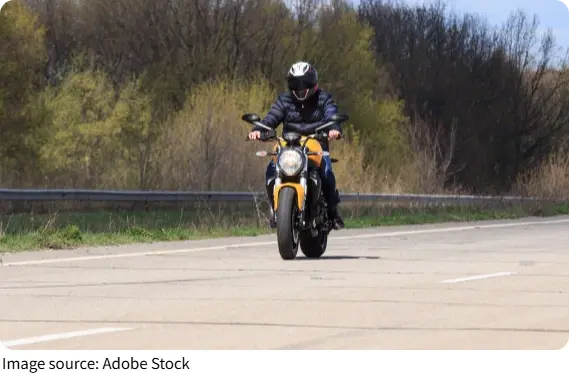
Syncing breathing with riding rhythm is a simple but overlooked skill. It enhances comfort, reduces fatigue, and sharpens focus, letting riders enjoy long journeys without unnecessary strain. By consciously syncing your breath with your riding rhythm, you not only enhance comfort and focus but also turn long rides into a more enjoyable, less tiring experience. With consistent practice, this harmony between body and machine becomes instinctive, making every journey smoother and safer.