Long Ride Comfort Hacks

Amit Sharma
| 23-04-2026
 · Automobile team
There's nothing quite like the freedom of hitting the open road on a motorcycle, feeling the wind on your face and the engine hum beneath you.
But after a few hours, even the most scenic routes can become uncomfortable.
Sore wrists, stiff backs, and numb legs can ruin a long ride if you're not prepared. The key is thinking ahead and making small adjustments to both your body and your gear. With the right strategies, long rides can stay exhilarating from start to finish.
Optimize Your Seating Position
Comfort starts with how you sit. A neutral, balanced posture reduces fatigue and keeps your muscles from tensing up.
Tips:
- Adjust the seat height so your feet reach the ground comfortably while keeping knees slightly bent.
- Slightly bend your elbows to absorb road vibrations instead of locking them straight.
- Lean forward just enough to reduce strain on your lower back while keeping your core engaged.
For example, many riders find that adding a thin gel seat pad or swapping for a touring seat can relieve pressure on the tailbone over long stretches. Testing seat adjustments on shorter rides before heading out is a smart way to avoid surprises.
Check Your Suspension and Tires
Your bike's setup directly affects how much your body absorbs bumps. Slightly softening the suspension for long rides or adjusting preload can make a noticeable difference. Tires also matter—properly inflated tires reduce vibration and improve handling, making every mile smoother.
Actionable steps:
- Check tire pressure before each ride; slightly softer pressures can enhance comfort on long, smooth roads.
- Inspect suspension settings and make minor adjustments to suit your weight and riding style.
- Consider touring-specific tires that balance grip with shock absorption.
Even small tweaks here can turn a jolting ride into a steady, relaxing cruise, especially on highways where vibration over hours adds up.
Choose the Right Gear
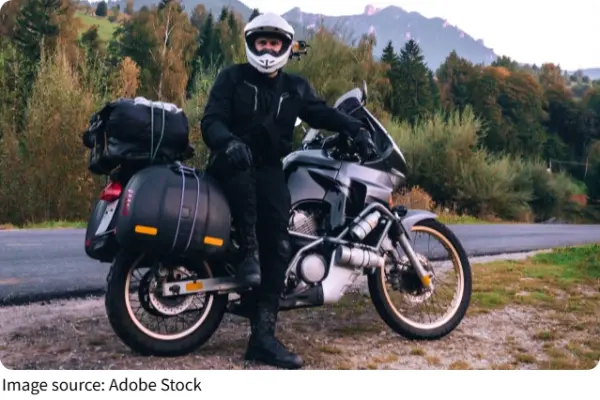
Riding gear isn't just about safety—it's about comfort too. Jackets and pants that breathe while protecting you from wind reduce fatigue and keep you alert. Gloves that fit well prevent hand cramps, and boots with proper ankle support make long rides easier on your legs.
Practical examples:
- A ventilated jacket with removable padding helps maintain comfort in changing temperatures.
- Padded gloves with flexible palms reduce pressure on your wrists.
- Touring boots with soft but supportive soles prevent foot numbness after hours of shifting and braking.
Even switching from stiff winter gloves to lighter, breathable ones for a summer ride can noticeably reduce hand fatigue.
Plan Frequent Breaks
No amount of gear can completely eliminate fatigue if you stay on the bike for too long. Strategic stops allow muscles to stretch, circulation to improve, and focus to return.
Step-by-step approach:
- Schedule breaks every 90–120 minutes, even if you feel fine.
- Use stops to hydrate and snack lightly; blood sugar dips contribute to fatigue.
- Do simple stretches for the neck, back, and legs to release tension.
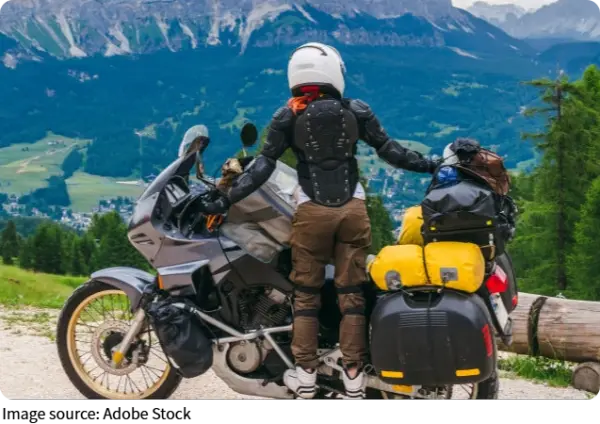
Riders who take short 5–10 minute breaks on scenic overlooks often report less soreness and more enjoyment than those who push straight through.
Use Wind Protection
Long hours against wind resistance can strain your back, shoulders, and neck. A well-positioned windshield or fairing reduces this load, letting your muscles relax.
Tips:
- Adjust your windshield height to direct airflow over your helmet, not into your chest.
- Clip-on wind deflectors on handlebars or mirrors reduce turbulence at your arms.
- Even minor tweaks, like changing helmet visor angles, can reduce buffeting on long straightaways.
On highways, proper wind protection can cut fatigue by half, allowing you to ride longer without constant muscle tension.
Stay Hydrated and Energized
Energy management is as important as physical comfort. Dehydration and low blood sugar make muscles tighten and concentration drop.
Practical ideas:
- Carry water in a tank bag or hydration pack and sip regularly.
- Snack on nuts, energy bars, or fruit every hour to maintain steady energy levels.
- Avoid heavy meals right before long stretches; they can make you drowsy.
Riders who maintain hydration and steady energy report fewer stiffness complaints and higher focus levels, especially on rides over 200 miles.
Small adjustments to posture, bike setup, gear, and breaks can transform a grueling long ride into a comfortable, enjoyable journey. The key is proactive planning: listen to your body, test gear and setups ahead of time, and keep essentials like water and snacks handy. Once these elements are in place, the focus shifts from discomfort to the pure joy of riding—the open road, the scenery, and the thrill of the journey ahead.