Coordinating Group Rides

Antonio
| 24-04-2026
 · Automobile team
Riding solo has its freedom, but cruising in a group brings its own rhythm.
The thrill of riding alongside friends is unmatched, yet it also requires careful coordination to keep everyone safe and on the same page.
Without a clear plan, even a short trip can turn chaotic.
Establish Pre-Ride Signals
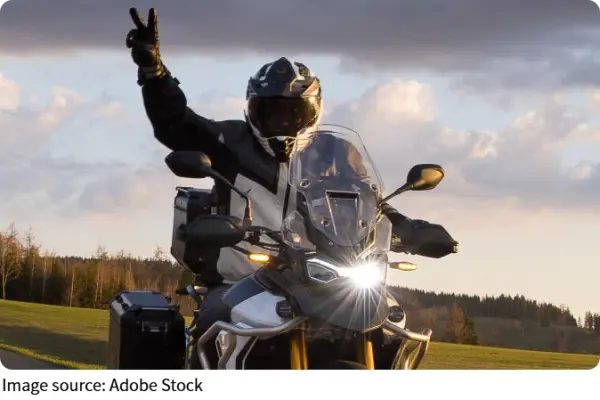
Before hitting the road, set up a system of signals that everyone understands. Hand gestures are traditional, but even simple head nods or light taps on helmets can communicate turns, stops, or hazards.
Examples include:
A left-hand wave to indicate a lane change.
A pointed finger downward to signal slowing down.
Tapping the helmet to alert the rider behind about a hazard.
Practicing these signals in a quiet parking lot can help everyone respond instinctively during the ride. This ensures clear communication without distracting from the road.
Use Technology Wisely
Modern tools can simplify communication, but knowing their limits is key. Bluetooth intercoms allow instant voice messages between riders, while smartphone apps can share real-time location and route updates.
Tips for effective use:
Pair devices before departure to avoid delays.
Keep conversations brief to maintain focus.
Assign a lead and sweep rider who can communicate key changes to the group.
These tools are particularly useful on longer rides where visual cues may be harder to catch.
Ride in Formation
A staggered formation gives everyone space to react while maintaining a clear line of sight. The lead rider sets the pace, and each rider follows in a pattern that maximizes visibility and safety.
Practical approach:
Lead rider takes the inside lane, second rider positions slightly behind and to the left, third to the right, and so on.
Avoid riding directly side by side to prevent collisions.
Adjust spacing depending on speed, weather, and traffic conditions.
This structure allows smooth maneuvers, reducing the chance of surprises or sudden braking.
Plan Regular Checkpoints
Even with clear communication, groups can split up due to traffic, stops, or slower riders. Scheduling short checkpoints ensures everyone stays together.
Example:
Every 30–45 minutes, regroup at gas stations, rest areas, or familiar landmarks.
Sweep rider confirms that no one has been left behind.
Use these moments to hydrate, adjust gear, or discuss any route changes.
Regular stops prevent fatigue and keep the group cohesive over long distances.
Anticipate Hazards Together
Group rides magnify the impact of unexpected obstacles. Sharing information about hazards is crucial for safety.
How to practice:
Lead rider signals rough pavement, debris, or potholes in advance.
Riders behind acknowledge the signal and adjust spacing accordingly.
Remind the group to maintain a defensive riding mindset at all times.
When everyone is aware and prepared, reaction times improve and risks decrease.
Keep Communication Simple
While tools and signals are helpful, overcomplicating instructions can confuse the group. Stick to essential messages and rely on repetition to reinforce them.
Quick examples:
“Left turn coming”
“Slow down”
“Obstacle on the right”
Clear and concise communication allows riders to respond instantly without distraction.
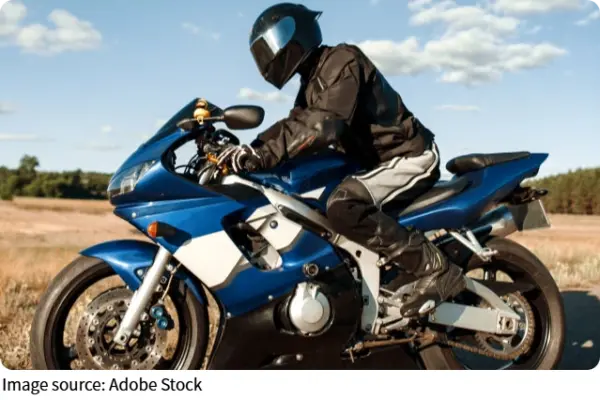
Sharing the road with friends can transform a regular ride into an unforgettable experience. Establishing signals, using technology strategically, maintaining formation, and planning checkpoints all contribute to a safer and more enjoyable journey.
Over time, these habits become second nature, letting the group focus on the joy of riding rather than the stress of coordination. With everyone on the same wavelength, each twist and turn of the road becomes part of a shared adventure.