Essential Gear for Riders

Kai
| 23-04-2026
 · Automobile team
You know that feeling when the open road stretches for hours ahead and every mile promises freedom—but also fatigue, changing weather, and unexpected stops?
Long-distance motorcycle trips are thrilling, but only if you're properly equipped. A solid gear list can transform a stressful journey into a smooth adventure.
1. Protective Clothing Basics
Safety starts with what you wear. The right gear protects against crashes, weather, and road debris.
Key Items:
- Helmet – Choose a full-face helmet with an anti-fog visor for long hours and varying weather.
- Riding jacket – Jackets with CE-rated padding in the shoulders, elbows, and back improve safety while maintaining ventilation.
- Gloves and boots – Waterproof gloves and sturdy boots keep hands and feet protected and comfortable.
Actionable Example:
A rider invested in a jacket with removable liners. Morning temperatures were cool, so the liner kept them warm. By afternoon, it was sunny, and removing it prevented overheating, keeping comfort consistent all day.
2. Layering for Weather Variability
Long rides mean facing sun, rain, wind, and temperature drops. Layering clothing helps you adapt to changing conditions quickly.
Key Layers:
- Base layer – Moisture-wicking to prevent sweat buildup.
- Insulating mid-layer – Keeps warmth without restricting movement.
- Waterproof outer layer – Protects from sudden rain without adding bulk.
Actionable Example:
On a mountain route, a rider used a lightweight fleece under a rain jacket. As clouds rolled in, they stayed dry and warm without having to stop and change outfits.
3. Essential Accessories
Accessories make long rides manageable and safe, from hydration to navigation.
Key Accessories:
- Riding glasses or goggles – Protect eyes from wind, bugs, and dust.
- Neck warmer or scarf – Prevent chills at higher altitudes.
- Hydration pack – Keep water accessible without requiring constant stops.
Actionable Example:
During a six-hour desert ride, a rider used a hydration pack. They sipped small amounts throughout, maintaining focus and avoiding fatigue caused by dehydration.
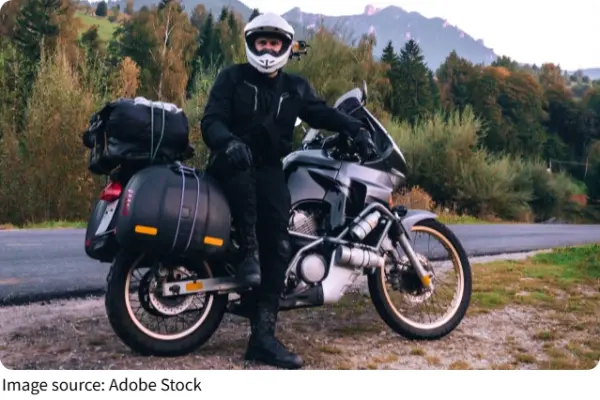
4. Storage and Carrying Solutions
Long rides mean packing for emergencies, meals, and comfort. Efficient storage prevents chaos.
Storage Options:
- Saddlebags or panniers – Hold tools, spare parts, and clothing.
- Tank bag – Provides quick access to maps, phones, or snacks.
- Compact backpack – Keeps essentials like sunscreen or a camera handy.
Actionable Example:
A rider organized a weekend trip with panniers for clothes and a tank bag for electronics. By keeping heavy items low, handling stayed smooth and the ride felt balanced.
5. Emergency and Repair Gear
Being prepared for breakdowns is critical when miles stretch between service stations.
Key Items:
- Basic tool kit – Specific to your motorcycle model for minor adjustments.
- Tire repair kit – Plugs or repair kits allow you to fix flats without waiting for a tow.
- First aid kit – Covers scrapes, blisters, or minor injuries on the road.
Actionable Example:
A rider had a minor chain adjustment mid-ride. With a compact tool kit, they fixed it within minutes, preventing a potentially long delay and keeping the schedule intact.
6. Electronics and Navigation
Staying on course and connected improves both safety and convenience.
Key Electronics:
- GPS or smartphone mount – Keep directions visible without taking hands off the bars.
- Portable charger or power bank – Ensure phones, cameras, or GPS devices don’t run out mid-ride.
- Helmet communication system – Allows calls, music, or group coordination safely.
Actionable Example:
On a cross-country ride, a rider used a helmet intercom system to communicate with a friend riding ahead. They coordinated stops and warnings about road hazards without distractions.
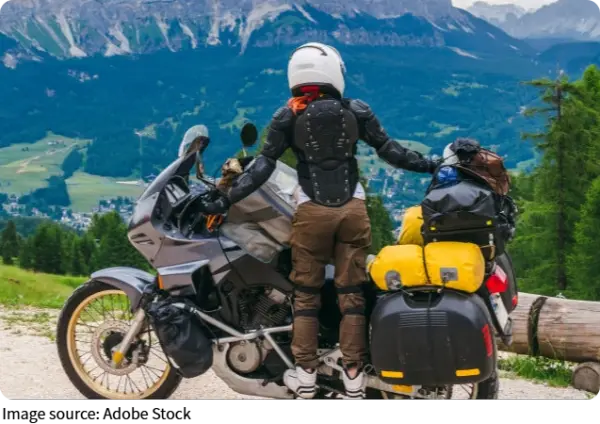
A successful long-distance motorcycle ride isn't just about the bike—it's about preparation. Each piece of gear, every accessory, and all emergency items contribute to comfort, safety, and the enjoyment of the journey. With a complete equipment checklist, riders can focus on the thrill of the open road, knowing they're ready for anything it throws their way.