City Fuel Savvy

James Carter
| 23-04-2026
 · Automobile team
City driving often feels like stop, go, stop, go. Every traffic light, congested intersection, and short burst of acceleration eats fuel, leaving you frustrated and spending more at the pump.
However, small adjustments in how you drive can noticeably improve fuel efficiency, save money, and reduce wear on your car.
Learning to handle city streets with energy-conscious habits makes daily commuting smoother and more economical.
Smooth Acceleration and Braking
One of the biggest fuel drains in city driving is frequent and aggressive speed changes.
Accelerate gradually: Instead of stomping the gas pedal when the light turns green, press lightly and build speed steadily. For example, reaching 30 mph in a few seconds rather than in one can save fuel and prevent excessive engine strain.
Anticipate stops: Watch brake lights several cars ahead and ease off the gas before fully stopping. This reduces the need for hard braking and allows the car to coast slightly, conserving energy.
Maintain momentum: Even small adjustments, like coasting for a few seconds instead of accelerating again from a full stop, add up over a daily commute.
Gentle acceleration and braking lower fuel consumption and make the ride less jerky.
Use Gears and Engine Wisely
City driving often involves low-speed traffic, but using the right gear can impact fuel efficiency significantly.
Shift early in manual cars: Staying in higher gears at low speed keeps RPMs lower, which reduces fuel use. For example, moving from second to third gear at 15-20 mph prevents unnecessary revving.
Use overdrive or eco modes: Many cars have gear modes designed for fuel economy. Engaging them in steady traffic helps the engine work more efficiently.
Avoid idling: If you're stopped for more than 30 seconds, turn off the engine. Idling burns fuel without moving you closer to your destination.
Proper gear management ensures the engine uses only what's needed, cutting waste.
Plan Your Route Ahead
The path you take affects both travel time and fuel consumption.
Choose less congested roads: Even slightly longer routes with fewer stops can save fuel. For example, a two-mile detour with smooth traffic may consume less gas than crawling one mile through stop-and-go intersections.
Combine errands: Running multiple trips separately increases cold starts, which consume more fuel. Planning trips in sequence reduces the number of times the engine heats up from idle.
Use navigation smartly: Apps that show live traffic can help you avoid jams and minimize unnecessary acceleration and braking.
Strategic route planning keeps your car moving efficiently and prevents wasted fuel from delays.
Control Speed and Air Resistance
City driving often tempts drivers to speed between lights, but that can backfire.
Stick to consistent speeds: Accelerating aggressively to beat the light increases fuel use. Maintaining a steady pace helps the engine run efficiently.
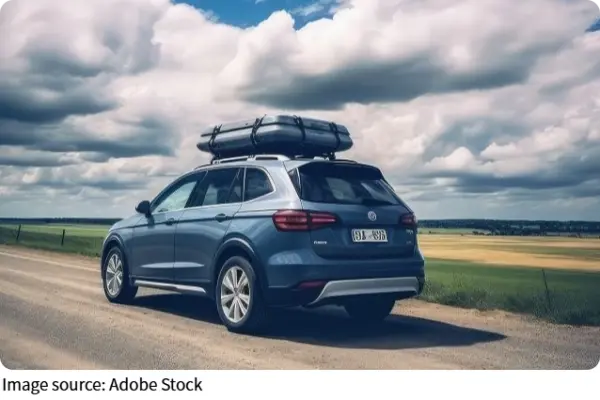
Limit unnecessary load: Roof racks, heavy cargo, or open windows create drag, making the engine work harder. Remove extra weight or gear if it's not needed.
Use climate wisely: Air conditioning is convenient but can increase fuel consumption. Using ventilation or moderating the AC in mild weather saves energy.
Managing speed and air resistance reduces fuel demand and keeps driving smoother.
Stay Alert and Avoid Stop-and-Go Traps
A focused driver uses attention to save fuel without compromising safety.
Read traffic patterns: Observing traffic flow helps you anticipate slowdowns and avoid unnecessary stops. For example, noticing a red light several blocks ahead allows you to ease off the gas rather than accelerating hard and braking immediately.
Keep a safe following distance: Tailgating leads to repeated braking and acceleration, wasting fuel. A small buffer lets you move with the traffic rhythm.
Minimize distractions: Phones, navigation adjustments, or other interruptions slow reaction times and create jerky driving that consumes more fuel.
Staying alert ensures your movements are smooth, saving gas and making your commute less stressful.
Fuel-efficient city driving isn't about drastic sacrifices—it's about small, mindful choices. Smooth acceleration, smart gear use, route planning, controlled speed, and attentive driving all combine to cut fuel consumption. Over weeks and months, these habits add up to real savings, a calmer commute, and a longer-lasting car, proving that mindful driving pays off in more ways than one.