Cleaner Engine Tech

Arjun
| 23-04-2026
 · Automobile team
Ever been stuck in traffic and wondered what all that exhaust does to the air you breathe? Internal combustion engines have come a long way from just puffing fumes.
Advances in emission control technology are helping cars run cleaner while governments push stricter environmental standards.
The result is not just better air quality—it's smarter engines, more efficient fuel use, and a clearer picture of how vehicles impact our daily lives.
Evolution of Engine Emission Control
Reducing harmful emissions has been a priority since the earliest pollution regulations. The technology has evolved through several critical milestones:
Catalytic converters – These devices transform carbon monoxide, hydrocarbons, and nitrogen oxides into less harmful gases. Modern three-way catalytic converters can reduce emissions by up to 90% under ideal conditions.
Exhaust gas recirculation (EGR) – By redirecting a portion of exhaust gas back into the engine, EGR systems lower combustion temperatures, which reduces nitrogen oxide formation.
Advanced fuel injection – Direct injection systems precisely control fuel delivery, improving combustion efficiency and cutting particulate matter.
Actionable tip: Regularly inspect your car's catalytic converter and fuel system. Keeping these components in good shape ensures your engine stays within emission limits and maintains fuel efficiency.

Impact of Environmental Standards
Government standards have been crucial in shaping cleaner engines. Emission limits force manufacturers to innovate and adopt advanced technologies.
Euro and EPA regulations – These standards define maximum allowable levels for key pollutants, influencing engine design, fuel quality, and after-treatment systems.
Inspection and maintenance programs – Regular vehicle emissions testing ensures compliance and identifies faulty components early.
Incentives for cleaner cars – Some programs offer tax breaks or perks for low-emission vehicles, encouraging consumers to choose cleaner options.
Actionable tip: Check local emission standards when buying a car. Selecting vehicles that meet stricter regulations can save on inspections and contribute to cleaner air.
Particulate and Nitrogen Oxide Control
Two of the most challenging pollutants are fine particulate matter and nitrogen oxides, both of which impact human health.
Diesel particulate filters (DPF) – Capture soot particles before they exit the tailpipe. Periodic regeneration burns off the collected particles to keep the filter effective.
Selective catalytic reduction (SCR) – Injecting a urea-based solution into the exhaust converts nitrogen oxides into harmless nitrogen and water.
Engine calibration – Optimizing air-fuel ratio and timing helps reduce particulate and NOx formation at the source.
Actionable tip: For diesel vehicles, monitor the DPF and SCR systems. Following manufacturer recommendations for fuel and additives ensures longevity and emission compliance.
Fuel Quality and Its Role
Cleaner engines alone aren't enough—fuel quality matters significantly.
Low-sulfur fuels – Reduce sulfur dioxide emissions and prevent premature damage to catalytic converters and filters.
Alternative fuels – Biofuels and synthetic blends can lower lifecycle carbon emissions and decrease particulate output.
Fuel additives – Some additives improve combustion and reduce deposits, helping engines run cleaner over time.
Actionable tip: Always use fuels recommended by the vehicle manufacturer. Even small differences in sulfur content or additive composition can affect emission performance.
Maintenance Practices for Emission Control
Keeping an internal combustion engine clean is essential for long-term emission control.
Regular tune-ups – Spark plugs, oxygen sensors, and air filters need timely replacement to maintain efficient combustion.
Monitoring engine performance – Modern cars offer onboard diagnostics (OBD) that alert you to emission-related issues.
Avoid extended idling – Running the engine unnecessarily produces pollutants without improving performance.
Actionable tip: Schedule inspections and follow maintenance guidelines. Even small lapses can increase emissions, reduce efficiency, and shorten component life.
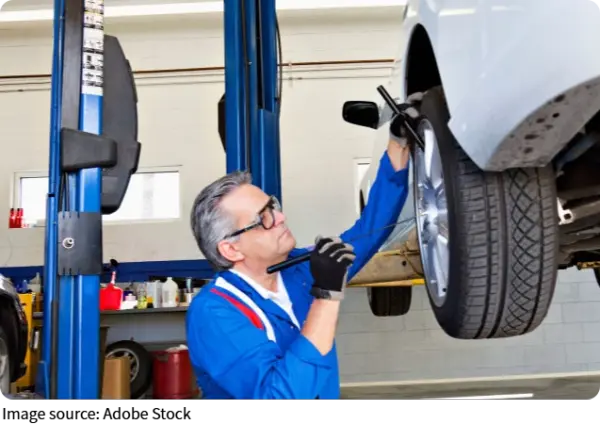
Advances in emission control technology have transformed internal combustion engines into far cleaner machines than decades ago. Coupled with strict environmental standards, these innovations reduce harmful pollutants, improve fuel efficiency, and make cars safer for both drivers and communities.
Paying attention to fuel quality, vehicle maintenance, and emission systems helps maximize these benefits. By embracing both the technology and responsible practices, drivers can contribute to cleaner air without compromising on performance or convenience.