Golden Sweetness

Kai
| 09-05-2026
 · Cate team
Honey cake carries a quiet warmth that feels familiar even on the first bite. It does not rush to impress, yet it leaves a lasting impression through softness, aroma, and gentle sweetness. This guide is written for Lykkers who enjoy baking as a calm, grounding activity rather than a test of skill. You are not chasing decoration or sharp contrast.
You are letting time, warmth, and natural sweetness come together in a steady way. With a flexible rhythm and clear guidance, honey cake becomes something you return to when comfort matters more than complexity.
Building Gentle Sweetness
This first part focuses on ingredients and steps, guiding you through the process with ease. Everything here is designed to feel approachable, even on an unplanned baking day.
Ingredients With Clear Purpose
Each ingredient supports the cake structure and flavor without competing for attention. Quantities are balanced to keep the crumb soft and lasting.
All purpose flour 300 g
Baking powder 8 g
Baking soda 4 g
Fine salt 2 g
Ground cinnamon 3 g
Ground ginger 2 g
Honey 200 g
Granulated sugar 100 g
Large eggs 3
Unsalted butter 120 g melted and cooled
Milk 180 ml
Vanilla extract 5 ml
These quantities work well for a 23 cm loaf pan or round pan, creating a cake that slices cleanly while staying tender.
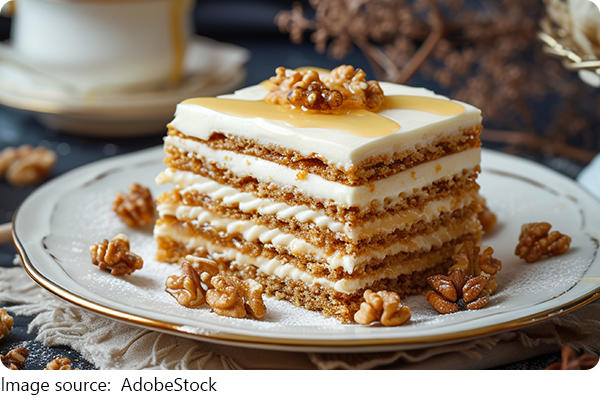
Preparing the Batter Calmly
You begin by preheating the oven to 170 C. This moderate temperature allows the honey to deepen in flavor without darkening too quickly. The pan is lined or lightly greased, depending on what feels most comfortable.
In a large bowl, flour, baking powder, baking soda, salt, cinnamon, and ginger are mixed until evenly combined. This dry blend sets the foundation for a warm, steady flavor profile.
In another bowl, honey and sugar are stirred together until smooth. Eggs are added one at a time, mixed gently so the texture stays cohesive. Melted butter follows, bringing softness and richness. Milk and vanilla extract are added next, loosening the mixture and helping everything come together smoothly.
The dry ingredients are added gradually to the wet mixture. You stir just until the batter looks unified. Overmixing is unnecessary here, and a slightly relaxed texture works in your favor.
Baking and Resting
The batter is poured into the prepared pan and smoothed lightly on top. The cake bakes for about 45 to 55 minutes, depending on pan shape. You look for a golden surface and a gentle spring when pressed.
Once baked, the cake rests in the pan for 15 minutes before moving to a rack. Cooling allows the structure to settle and the sweetness to mellow. Honey cake improves as it rests, so patience is rewarded.
Letting the Cake Settle
This second part explores how honey cake behaves over time and how it fits naturally into daily moments. It is less about steps and more about understanding what you have made.
Texture That Lasts
Honey helps the cake stay soft for days. The crumb feels moist and even, without becoming heavy. Each slice holds together easily, making the cake suitable for sharing or quiet enjoyment across several days.
Flavor That Deepens
On the first day, the sweetness feels light and floral. As time passes, the spices and honey blend more fully, creating a deeper, rounder taste. This makes honey cake especially suitable for baking ahead. The flavor becomes more integrated rather than fading.
Serving With Simplicity
Honey cake does not need decoration to feel complete. A plain slice carries enough character on its own. If you want contrast, fresh fruit or a light yogurt pairing works well. The goal is balance, not embellishment. You can serve it warm or at room temperature, depending on mood.
Adapting Without Stress
You can adjust spice levels slightly to suit preference. A bit more cinnamon adds warmth, while less keeps the flavor softer. Sweetness can also be adjusted within reason, as honey remains the main note. What matters most is maintaining the gentle mixing and steady bake.
Common Moments of Uncertainty
If the top darkens early, the interior often continues baking evenly. If the center feels tender when warm, cooling usually resolves that. Honey cake responds well to rest, so time becomes part of the recipe rather than a concern.
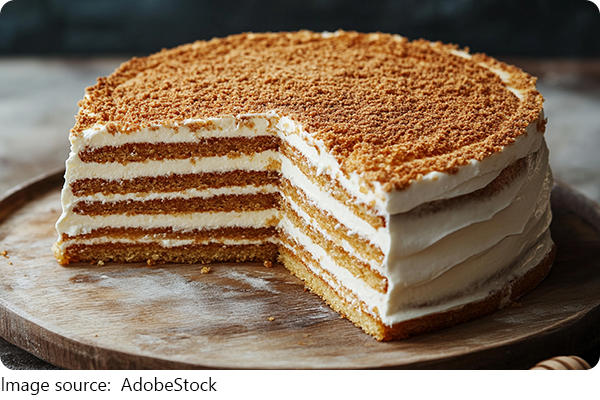
Honey cake offers comfort through simplicity, warmth, and patience. With clear ingredients, relaxed steps, and room to adapt, it becomes a recipe that fits naturally into everyday life. You are not creating something loud or elaborate. You are building a quiet sweetness that grows more rewarding with time. For Lykkers who value ease, balance, and steady pleasure, honey cake becomes more than a dessert. It becomes a familiar pause worth returning to.