Easy BBQ Techniques

Caleb Ryan
| 08-06-2026
 · Cate team
The sound of food hitting a hot grill instantly sets the mood—light chatter, open air, and that unmistakable aroma building in layers.
Barbecue isn't just about cooking; it's about timing, control, and small details that make a big difference. With the right approach, even a simple setup can deliver consistently great results.
Choosing the Right Ingredients
Good barbecue starts before the grill is even heated. Ingredient selection affects flavor more than any seasoning added later.
Focus on:
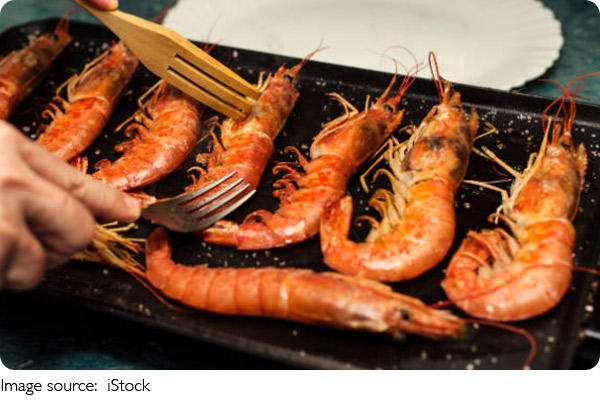
• Fresh boneless chicken or seafood
• Firm vegetables like bell peppers, zucchini, and mushrooms
• Balanced marinades that enhance, not overpower
Cut ingredients into even sizes so they cook at the same rate. Uneven pieces often lead to some parts overcooking while others remain underdone.

Preparing the Grill Surface
A clean, properly heated grill is essential. Skipping this step can lead to sticking and uneven cooking.
Steps to follow:
• Preheat the grill until it reaches a stable high temperature
• Brush the surface to remove leftover residue
• Lightly oil the grill grates to reduce sticking
This creates a smooth cooking surface and helps achieve better texture on the food.
Mastering Heat Zones
One of the most useful techniques in barbecue is controlling different heat levels across the grill.
Create two zones:
• A high-heat area for quick searing
• A lower-heat area for slower cooking
Start food on the high-heat side to develop a surface crust, then move it to the cooler area to finish cooking evenly. This prevents burning while keeping the inside tender.
Marinating for Flavor Depth
Marinades add layers of flavor, but timing and balance matter.
Basic marinade elements:
• A light oil base for moisture
• Citrus or mild acidity for brightness
• Herbs or spices for aroma
Let ingredients sit in marinade long enough to absorb flavor, but not so long that texture breaks down. For most items, a short resting period is enough to enhance taste without overpowering it.
Turning and Timing Techniques
Constant flipping can interrupt the cooking process. Instead, let food develop naturally before turning.
Key tips:
• Turn only when the surface releases easily from the grill
• Avoid pressing down, which can dry out texture
• Use steady timing rather than guessing
This approach helps maintain moisture and creates a more even finish.
Adding Vegetables for Balance
Vegetables bring color, texture, and freshness to barbecue meals. They also cook quickly and require minimal preparation.
Good options include:
• Sliced corn sections
• Cherry tomatoes on skewers
• Onion layers for added sweetness
Brush lightly with oil and grill until slightly softened. They should retain some structure rather than becoming too soft.
Managing Outdoor Conditions
Cooking outside means dealing with changing conditions. Wind and temperature shifts can affect grill performance.
To maintain control:
• Position the grill in a sheltered area
• Keep the lid closed when possible to retain heat
• Adjust cooking time based on heat fluctuations
Paying attention to the environment helps maintain consistent results.
Simple Finishing Touches
The final moments of grilling can elevate the entire dish. Small additions make a noticeable difference.
Try:
• A light brush of sauce near the end of cooking
• A squeeze of citrus for brightness
• A short resting period before serving
Resting allows juices to settle, improving overall texture and flavor.
Barbecue is less about complexity and more about control. When heat, timing, and ingredients are handled with care, even the simplest meal becomes something memorable. It's those small, thoughtful adjustments that turn outdoor cooking into a relaxed and rewarding experience.