Homemade Ricotta

Malcolm
| 09-05-2026
 · Cate team
There's something quietly satisfying about watching milk transform. One moment it's smooth and liquid, the next it separates into soft white curds and clear whey.
Making ricotta at home feels almost like a small kitchen miracle—and once you try it, the texture and freshness are hard to beat.
Ingredients You'll Need
For a basic batch:
• 4 cups whole milk
• 1 cup heavy cream
• 2 tablespoons lemon juice or white vinegar
• 1/2 teaspoon salt
That's it. No complicated list, just a few essentials that work together beautifully.
Heating the Milk
Pour the milk and cream into a saucepan and place it over medium heat. Stir occasionally to prevent sticking.
Watch closely as it warms. You're aiming for a gentle heat, not a rolling boil. Small bubbles will form around the edges—that's your cue that it's ready for the next step.
Creating the Curds
Turn off the heat and slowly add the lemon juice or vinegar. Stir gently for a few seconds, then stop.
Within moments, you'll see the mixture separate. Soft curds will form and float, while the liquid becomes more translucent. Let it sit undisturbed for about 10 minutes to allow the curds to fully develop.
Straining the Ricotta
Line a strainer with cheesecloth or a clean kitchen towel, then place it over a bowl.
Carefully pour the mixture into the strainer. The whey will drain through, leaving the curds behind.
Draining time affects texture:
1. 5–10 minutes for a softer, spreadable ricotta
2. 15–20 minutes for a thicker consistency
3. Longer draining for a firmer result
Choose based on how you plan to use it.
Seasoning and Texture
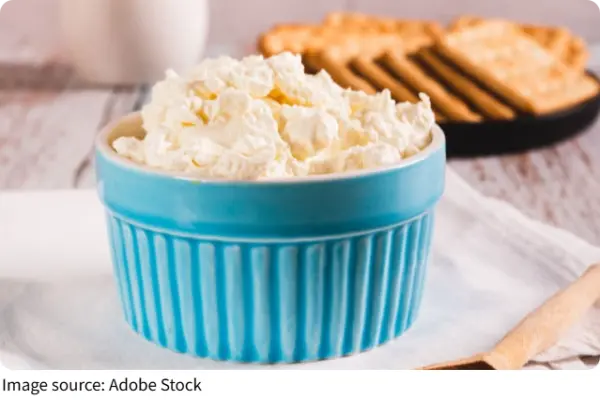
Once drained, transfer the ricotta to a bowl and stir in salt. Taste and adjust if needed.
At this stage, the texture should feel light and slightly grainy, yet smooth enough to spread. If it feels too dry, you can mix in a small spoonful of reserved whey to loosen it.
Ways to Use Fresh Ricotta
This fresh ricotta is incredibly versatile and fits both sweet and savory dishes.
You can:
• Spread it on toast with fruit or honey
• Add it to pasta for a creamy finish
• Use it as a filling for pastries
• Pair it with roasted vegetables
Its mild flavor adapts easily, making it a flexible kitchen staple.

Tips for Best Results
1. Use high-quality milk for better flavor
2. Avoid overheating, which can affect texture
3. Do not stir too much after adding acid
4. Adjust draining time based on preference
These small details help you get consistent results every time.
Final Reflection
Homemade ricotta is less about effort and more about attention. A few ingredients, a bit of patience, and you end up with something fresh, delicate, and full of character.
Once you see how simple it is, it becomes less of a special project and more of a quiet habit—something you return to whenever you want a touch of softness and comfort on your plate.