Elegant Western Plating Tips

Nora
| 28-04-2026
 · Cate team
Presentation can turn an ordinary meal into a feast for the eyes. Watching a friend's eyes light up when you serve a dish that looks like it belongs in a restaurant never gets old.
The secret isn't complicated—it's about understanding basic principles of color, balance, and height. Even a simple pasta or salad can feel elevated with the right plating approach.
Understanding Plate Composition
A well-composed plate draws attention to the main elements while guiding the eye naturally.
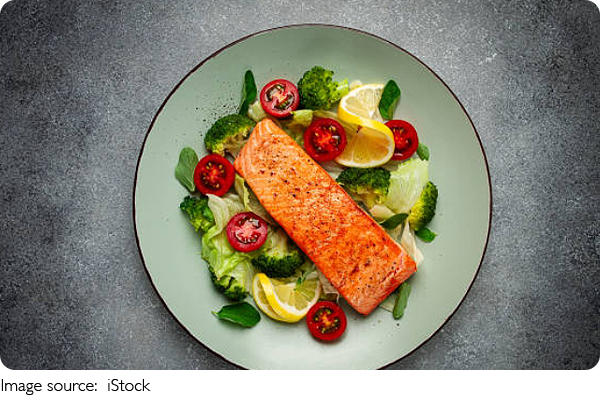
1. Divide the plate mentally into sections: Keep proteins, vegetables, and starches in separate zones to create visual structure. For example, place a grilled fish fillet slightly off-center with roasted vegetables fanned out beside it.
2. Play with height: Stack ingredients or use a ring mold for grains to add dimension. A risotto tower topped with microgreens instantly looks more refined than a flat mound.
3. Consider negative space: Don't overcrowd the plate. Leaving open space around components creates a clean, professional look. Even leaving one corner empty can make the dish appear more deliberate.
Color and Contrast
The right color combination can make food pop.
1. Use complementary colors: Bright vegetables against a neutral protein make the dish vibrant. Think roasted carrots next to seared scallops.
2. Include a garnish with purpose: Herbs, edible flowers, or a sprinkle of seeds add contrast and texture. A small parsley sprig can make a simple soup feel sophisticated.
3. Vary shades and textures: Matte versus glossy, soft versus crisp, light versus dark—differences in tone add depth. For example, pair creamy mashed potatoes with a crisp, caramelized topping for visual and textural contrast.

Sauce Placement
Sauces can enhance both flavor and aesthetics if used intentionally.
1. Use dots or brush strokes: Instead of pouring over everything, consider small dots around the plate or a sweeping brush for a modern look.
2. Drizzle sparingly: A light drizzle over protein or vegetables emphasizes flavor without overpowering presentation. A balsamic reduction brushed under roasted vegetables creates elegance.
3. Match color to mood: Light, creamy sauces contrast well on darker proteins; vibrant reductions add excitement to neutral elements. For example, a beet puree under a seared fish fillet immediately catches the eye.
Texture and Shape Variation
Plating isn't just visual—it's tactile.
1. Mix shapes: Round, elongated, and angular components together keep the plate dynamic. Spiralized zucchini with round cherry tomatoes and rectangular polenta adds interest.
2. Consider crunch and softness: Crispy elements like toasted nuts or fried shallots balance soft components, giving the diner more to enjoy.
3. Layer thoughtfully: Place tender greens on top of a base, protein next, then sauce, to maintain structure. For example, a stack of grilled vegetables under a seared chicken fillet, finished with microgreens, creates layers both visually and flavor-wise.
Finishing Touches
The smallest details make the biggest impact.
1. Wipe edges: Any stray sauce or crumbs along the rim of the plate distracts from the dish. A clean edge always looks intentional.
2. Consider temperature: Cold plates for chilled salads, warm plates for hot mains—temperature affects presentation and enjoyment.
3. Add a final garnish: Tiny herbs, a twist of citrus, or a sprinkle of spice completes the visual story. A few fennel fronds on a seared salmon elevate the entire dish.
Presentation transforms a meal from ordinary to memorable. By paying attention to plate composition, color, texture, and finishing details, you can make everyday dishes feel special. Next time you serve a meal, pause for a moment to arrange it thoughtfully—you'll find that the experience of eating becomes just as delightful as cooking.