Homemade Italian Pasta

Caroll Alvarado
| 28-04-2026
 · Cate team
The aroma of freshly cooked pasta filling the kitchen is hard to beat. Making pasta from scratch might seem intimidating, but with a few techniques and basic ingredients, you can create noodles that are tender, flavorful, and totally satisfying.
The joy isn't just in eating it—it's in the process, rolling, cutting, and shaping each strand by hand.
Gathering Ingredients
Fresh pasta relies on a handful of high-quality ingredients.
Flour – All-purpose flour works, but for a silkier texture, use a mix of all-purpose and semolina flour. For example, 2 cups of all-purpose and 1 cup semolina creates a firm, yet tender dough.
Eggs – Large eggs are standard. They provide structure and richness. One egg per 100 grams of flour is a good ratio.
Olive Oil and Salt – A teaspoon of olive oil keeps the dough pliable, and a pinch of salt enhances flavor.
Optional Flavors – Herbs like basil or spinach puree can be added to the dough for color and subtle flavor.
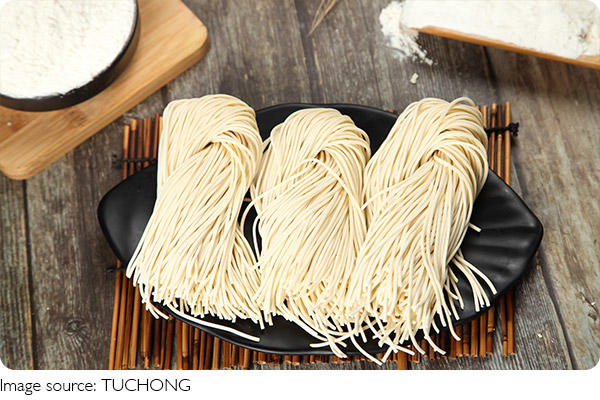
Making the Dough
The dough is the heart of your pasta.
Step 1: Mixing – Create a mound of flour on a clean surface. Make a well in the center and break in the eggs. Gradually incorporate flour into the eggs using a fork, then knead by hand.
Step 2: Kneading – Knead for 8–10 minutes until smooth and elastic. Example: Press the heel of your hand into the dough, fold it, and rotate repeatedly.
Step 3: Resting – Wrap the dough in plastic wrap and let it rest for 30 minutes. This relaxes the gluten, making rolling easier.
Rolling and Shaping
Once rested, the dough is ready to take shape.
Hand Rolling – Use a rolling pin to flatten the dough to about 1/16 inch thickness. Dust with flour to prevent sticking.
Pasta Shapes – Cut into tagliatelle, fettuccine, or even ravioli. Example: For tagliatelle, roll the dough into a loose cylinder and slice into ¼ inch strips, then gently unravel.
Using a Pasta Machine – For even sheets, feed the dough through the machine, adjusting thickness gradually. Example: Pass twice through the widest setting before cutting noodles.
Cooking Fresh Pasta
Fresh pasta cooks faster than dried pasta, so timing is key.
Boiling Water – Bring a large saucepan of water to a rolling boil and add a pinch of salt.
Cooking Time – Fresh pasta usually takes 2–4 minutes. Taste test for al dente texture.
Draining and Serving – Drain carefully to avoid tearing, and toss with your sauce immediately. Example: Toss fresh fettuccine with a light tomato sauce and a drizzle of olive oil.
Pairing with Sauces
Matching pasta with the right sauce enhances the experience.
Light Sauces – Olive oil, garlic, and fresh herbs complement delicate noodles like angel hair.
Rich Sauces – Cream-based or cheese sauces suit thicker pasta like fettuccine or pappardelle.
Tips – Reserve a small amount of cooking water to loosen the sauce if needed. Example: Stir a splash of pasta water into a mushroom cream sauce for a glossy finish.
Adding Finishing Touches
Small details elevate your dish.
Fresh Herbs – Basil, parsley, or chives brighten the flavors.
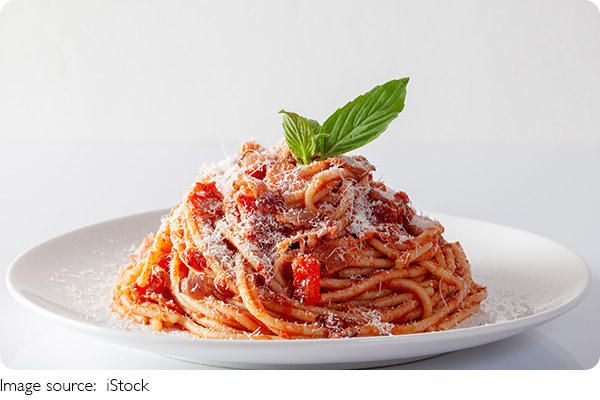
Grated Cheese – Parmesan or pecorino adds a savory punch.
Extra Flavor – A drizzle of high-quality olive oil or a squeeze of lemon can enhance both taste and aroma. Example: Sprinkle Parmesan and fresh basil over spaghetti for an instant upgrade.
Making pasta at home is an art and a pleasure. With practice, you'll gain confidence in kneading, rolling, and pairing sauces. Each step connects you with a tradition of fresh, flavorful noodles that turn a simple meal into a memorable experience. There's a special satisfaction in serving something homemade that tastes just like it came from a small Italian trattoria.